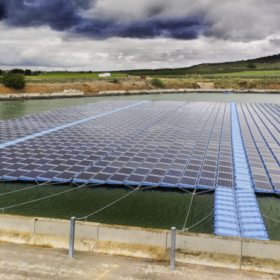
Mounting structures for floating PV from Spain
Spanish engineer Isigenere has developed floating PV mounting structures based on virgin high-density polyethylene and says the manufacturing process, which features plastic injection, can produce around 1 MW of the product every five days.
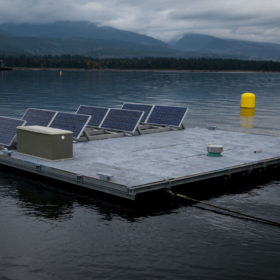
Active cooling for PV modules in floating arrays
Saudi Arabian and Pakistani scientists have created a serpentine cooling block structure to improve the efficiency of PV panels in floating solar projects by around 1.5%. The cooling block can be filled via a low-cost, 15.6 W commercial 12 V DC water pump with cool water.
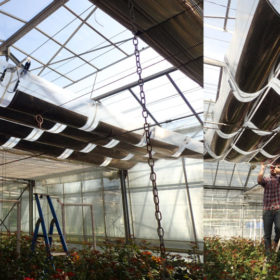
Photovoltaic shade for greenhouses
French start-up Solar Cloth has secured a patent for a PV shade screen for solar greenhouses.
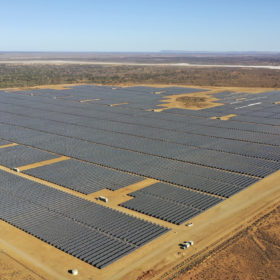
EU Green Recovery plan could support 2.3 GW of Spanish solar project capacity
Three big projects are candidates for support from the Covid recovery plan laid out by the bloc.
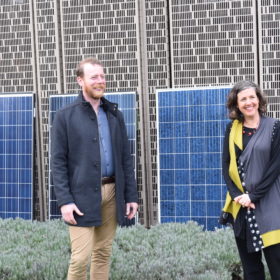
Keeping PV panels honest
Michelle McCann and Lawrence McIntosh, the partners behind the PV Lab panel-testing facility in Canberra, see Australia’s solar installations as a vast, aggregated virtual power plant.

Google to create easier renewable power purchase pathways
The tech giant has eliminated its entire carbon legacy and is moving toward running entirely on renewables, 24/7. More importantly, it’s looking to create pathways for other renewable purchasers to follow in its wake.

Sweden exempts from energy tax on self-consumption all PV systems of up to 500 kW
On the top of the new fiscal measure, the Swedish government has also announced that the rebate scheme for rooftop PV, which was originally scheduled to be closed this year, will be continued in 2021. It will only apply to municipalities and enterprises and with a limited budget of 260 million SEK ($29.6 million), however.

NREL scientists estimate global potential of hydro-linked floating PV at up to 7.5 TW
The U.S. based researchers said linking solar with hydro in a full hybrid system configuration may result – at best – in the deployment of 7,593 GW for an estimated annual power generation of 10,616 TWh and a 20% reservoir coverage. And combining solar with hydro in this way brings further benefits, including improved system operation at different time scales, more opportunities for storage thanks to pumped hydro, increased utilization rates of transmission lines, reduced PV curtailment, and lower interconnection costs and water evaporation.
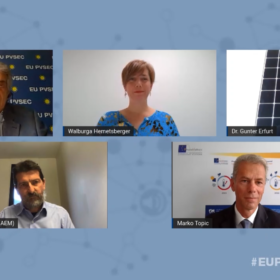
EU PVSEC 2020: Five takeaways
Spread across this week, the 37th EU PVSEC conference brought together companies and research institutes from Europe and further afield. This year’s presentations point to an industry standing at a crossroads. New challenges lie ahead, but there is plenty of optimism surrounding continuing growth and a more central role for PV in energy systems over the next decade. As the conference drew to a close on Friday, pv magazine offers five key takeaways.
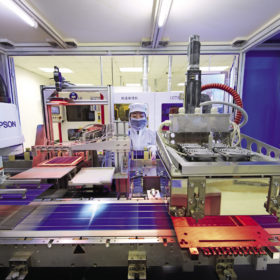
Chinese PV Industry Brief: Trina acquires Enclave, Sungrow secures EPC contracts for 300 MW
Module manufacturer Trina Solar has completed the acquisition of the Spanish tracker company, inverter maker Sungrow has secured contracts from Three Gorges New Energy and Akcome Technologies has completed construction of its heterojunction cell and module factory.
