
NREL scientists estimate global potential of hydro-linked floating PV at up to 7.5 TW
The U.S. based researchers said linking solar with hydro in a full hybrid system configuration may result – at best – in the deployment of 7,593 GW for an estimated annual power generation of 10,616 TWh and a 20% reservoir coverage. And combining solar with hydro in this way brings further benefits, including improved system operation at different time scales, more opportunities for storage thanks to pumped hydro, increased utilization rates of transmission lines, reduced PV curtailment, and lower interconnection costs and water evaporation.
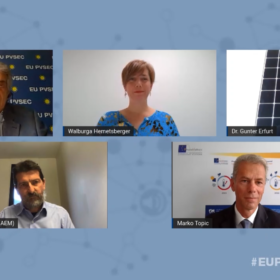
EU PVSEC 2020: Five takeaways
Spread across this week, the 37th EU PVSEC conference brought together companies and research institutes from Europe and further afield. This year’s presentations point to an industry standing at a crossroads. New challenges lie ahead, but there is plenty of optimism surrounding continuing growth and a more central role for PV in energy systems over the next decade. As the conference drew to a close on Friday, pv magazine offers five key takeaways.
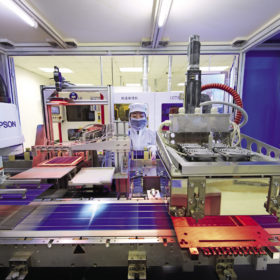
Chinese PV Industry Brief: Trina acquires Enclave, Sungrow secures EPC contracts for 300 MW
Module manufacturer Trina Solar has completed the acquisition of the Spanish tracker company, inverter maker Sungrow has secured contracts from Three Gorges New Energy and Akcome Technologies has completed construction of its heterojunction cell and module factory.
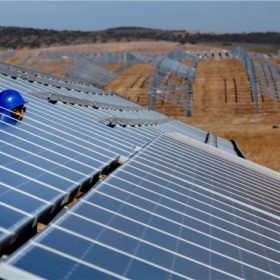
Large-scale solar deployment picks up in Spain
Solar is regaining speed in Spain after the Covid-19 crisis. Iberdrola is now building 150 MW, while Foresight recently acquired a 26.1 MW project. FRV has secured financing for a 136 MW array, Audax plans to issue green bonds to finance its pipeline, and an 800 MW solar park is expected to provide with power Alcoa’s aluminum plant in Galicia.

Rising number of grid-connection permits shows 2020 could be another record year for Polish solar
Data from the Instytut Energetyki Odnawialnej shows 1.3 GW of solar projects secured preliminary grid-connection permits in the first half, with around 600 MW securing final approval. Last year, preliminary approvals totaled around 2 GW and final awards 730 MW.
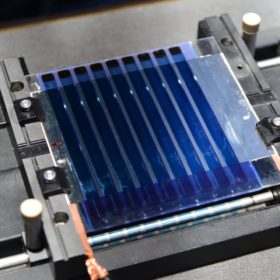
More efficient large-area organic solar cells with spin coating
Researchers in South Korea have used the process to increase performance and the replicability of large-area organic cells. The method was used during film formation to speed up solvent evaporation.
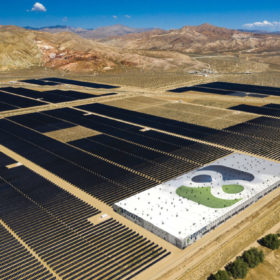
US developer secures 15-year PPA for 400 MW of PV, 180 MW/540 MWh of storage
8minute Solar will build the Rexford 1 Solar & Storage Center in central California, with the Clean Power Alliance serving as offtaker.

Panama to hold October renewables auction
Selected projects will secure five-year power purchase agreements and will have to begin commercial operation on January 1.
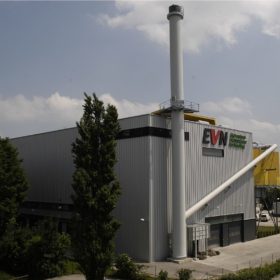
Power-to-heat for district heating may drive wind and solar
Researchers say the technology could help drive clean energy deployment in countries with limited grids or in isolated, coal-based energy systems. According to their model, Kosovo could see a strong increase in wind and PV capacity if power-to-heat is coupled with thermal energy storage for fixed-capacity district heating.

Titanium oxide nanofluid-based cooling technique for PV panels
Indian and Malaysian scientists have developed a new cooling system featuring an assembled back-channel attached on the rear sides of solar panels, to channel flows of titanium oxide and water. They used a 0.6% nanofluid concentration – the optimum value of nanoparticle concentration in water.
