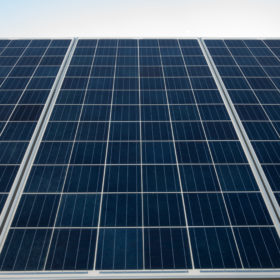
Temperature-based MPPT algorithm to improve PV system efficiency
Researchers in Spain have developed a maximum power point tracking (MPPT) algorithm based on just one input parameter – PV module temperature. The algorithm has already shown stability in testing, the scientists claim.
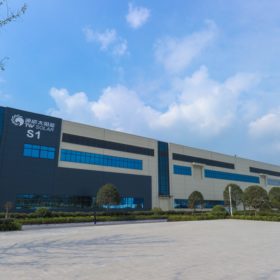
Chinese PV Industry Brief: Higher cell prices, 1.2 GW module auction
Tongwei has revealed its PV cell prices for August, while Canadian Solar has announced plans to list shares of one of its units in China. Energy China, meanwhile, has kicked off an auction for 1.2 GW of solar panels.
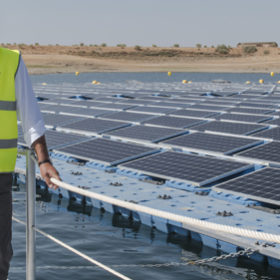
Floating PV gains ground in Iberia
Spanish renewables company Acciona has commissioned Spain’s first floating installation and utility EDP has finalized the first, 1 MW phase of a 4 MW project at the Alqueva water reservoir in southern Portugal.
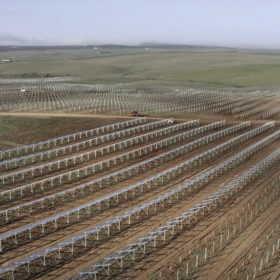
Europe’s largest solar-storage-hydrogen project
Spanish energy company Iberdrola plans to build a 100 MW solar park, a storage facility, and a hydrogen production station in Puertollano, central Spain. The €150 million project is scheduled to be operational next year.

How much vertical BIPV is too much?
A French-Italian research group has shown that BIPV facades on buildings can cause a ‘darkening’ effect by reducing light reflectance on nearby installations, dragging down energy production by 11%. The ‘urban heat island effect’ can also weigh on PV system performance, the researchers said.
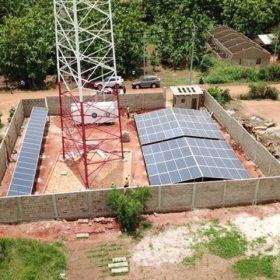
Pay-as-you-go offer for offgrid solar, pay TV in Africa
Bboxx rents out offgrid PV systems and TVs to rural villagers across Africa. Customers can buy electricity under a mobile-based pay-as-you-go model.

Philippines’ nexus approach for water and solar power supply
The country’s National Irrigation Administration will bet on floating PV and solar-powered irrigation to improve water and energy supply. The Pantabangan and Casecnan dams, in the province of Nueva Ecija in the Central Luzon region, have been identified as ideal locations for floating solar.
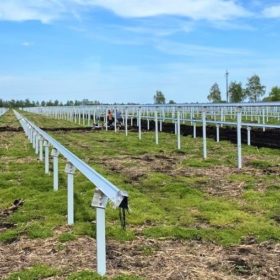
Umweltbank finances 110 MW solar project in Germany
Developer Anumar has secured the signature of Norwegian renewables company Statkraft on a 50 MW power purchase agreement for the project and another 30 MW of generation capacity has been awarded a feed-in premium tariff in a tender. Umweltbank provided a €55 million loan.

World’s lowest bid of $0.0135/kWh wins in Abu Dhabi’s 2 GW solar tender
Emirates Water and Electricity Co. awarded the 2 GW project to a consortium that includes Abu Dhabi National Energy Co., Masdar, French energy group EDF, and China’s JinkoPower.

EU maintains anti-subsidy and anti-dumping duties on solar glass from China
The European Commission has concluded that there are no compelling reasons to scrap definitive countervailing and anti-dumping measures on solar glass imports from China. Currently, the anti-subsidy duties range from 3.2% to 17.1%, while anti-dumping tariffs are between 17.5% and 75.4%.
