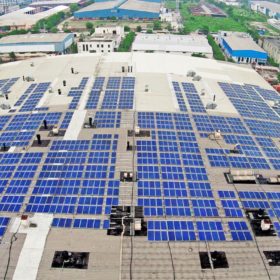
Indian developer Azure Power secures sale of electricity from 600 MW of solar projects
The company has landed the signature of state-owned body the Solar Energy Corporation of India, which awarded Azure 4 GW of solar farms in return for the developer committing to set up 500 MW worth of cell and module production lines.
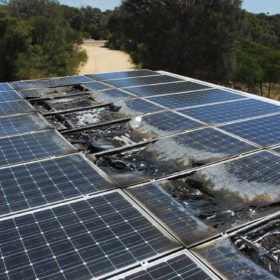
Australia removes much-criticized DC isolator mandate
Following years of lobbying, the Standards Australia Committee has removed the requirement for rooftop solar installations to include a DC isolator.
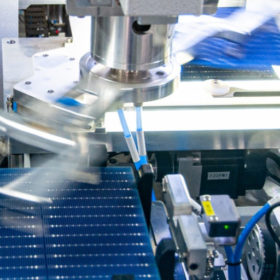
Austrian solar module manufactuer Energetica files for insolvency
The company had started manufacturing activities at its factory in Liebenfels in November 2019. It wants now to start a restructuring process.
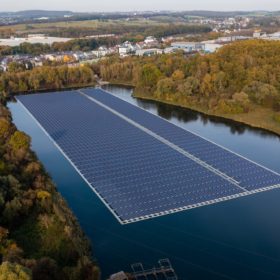
Luxembourg’s first floating PV plant is now operational
German renewable energy company Enovos and Luxembourg-based steelmaker ArcelorMittal have announced the inauguration of Luxembourg’s first floating PV plant. The facility was deployed with 25,000 solar modules on a former cooling pond owned by the steel manufacturer’s unit ArcelorMittal Differdange, which operates an electric steel plant in the homonymous municipality in Luxembourg. The project was […]

South Korea deployed 2.82 GW of solar in first nine months of 2021
In the third quarter of this year, around 677 MW of new PV systems were connected to the Korean grid, which is comparatively lower than in the same quarter a year earlier. According to local analysts, the market contraction is due to delayed permitting because of expanding siting restrictions.
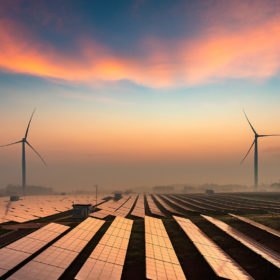
Giant green hydrogen project powered by 6 GW of off-grid solar and wind proposed for South Australia
Kallis Energy Investments is proposing a whopping 6 GW renewable hydrogen project in South Australia, with founder Terry Kallis telling pv magazine Australia the project will not seek to connect its 3 GW of planned solar and wind assets to the already congested grid.
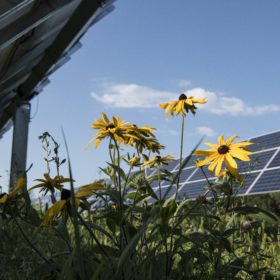
Clearinghouse to connect farmers and solar developers with agrivoltaics information
The platform was launched by the National Center for Appropriate Technology. The clearinghouse features a library of peer-reviewed information, videos, podcasts, news, and a forum for agrivoltaics discussion.
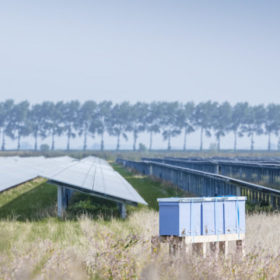
Netherlands’ first unsubsidized solar park
The 16 MW project is under development by Swedish-based utility Vattenfall. Construction is scheduled to start in 2024.
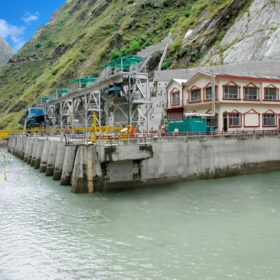
Indian hydropower producer enters solar business
SJVN’s board of directors approved a plan to set ut a wholly-owned subsidiary for the development of solar PV, wind, storage, and green hydrogen projects.
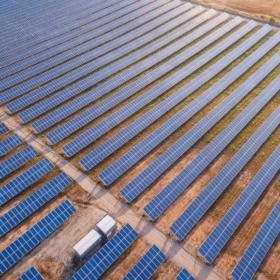
Three solar farms in Australia reach financial close
Greek company Mytilineos has reached financial close on all three of its 40 MWp solar farms in New South Wales, marking an important milestone in the company’s strategic move into the Australian market.
