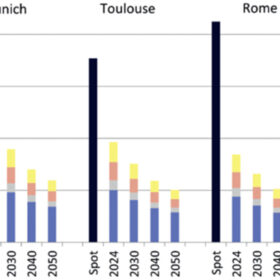
Solar LCOE may decrease by up to 20% in Europe by 2030
In its latest monthly column for pv magazine, the European Technology and Innovation Platform for Photovoltaics (ETIP PV) presents its levelized cost of electricity (LCOE) calculations for several European locations in period between 2023 and 2050. The organization forecasts that solar LCOE in Europe may fall by up to 50% by 2050.
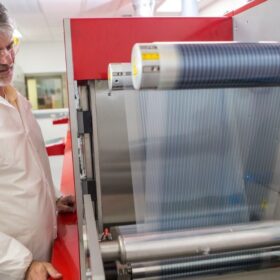
Danish slot die coating equipment manufacturer raises capital for expansion
Denmark-based slot-die coating equipment manufacturer FOM Technologies raised DKK 43.60 million ($6.3 million) to finance the next stage of growth, which includes expansion of sales in the United States.
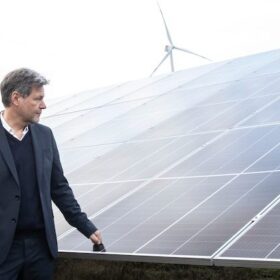
Germany’s solar funding in firing line after €60 billion budget shortfall
The leaders of Germany’s three major political factions have agreed to cut an unspecified amount of solar spending, among other initiatives, to plug a €60 billion ($64 billion) budget shortfall triggered by a German federal court ruling in November. However, the Federal Association of Solar Economy (BSW-Solar) has criticized the announcement and said that concerns remain about other major solar projects that are potentially at risk.
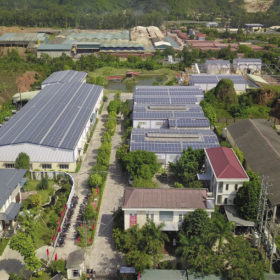
Draft Vietnamese rooftop PV decree sends ‘negative signal,’ says analyst
Vietnam’s Ministry of Industry and Trade (MOIT) is drafting a new rooftop PV decree that rules out the possibility for homeowners to sell excess energy back to the grid. Apricum analyst Moritz Stitcher tells pv magazine that the mechanism sends the wrong message for the sector.
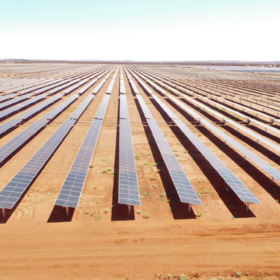
Solar’s ‘success story’ could soon be over, says SolarPower Europe
European Union member states have installed a “record-breaking” 56 GW of PV over the last 12 months – consistent with the last three years of 40% year-on-year growth, according to SolarPower Europe. But the association warns that solar’s moment in the sun could soon be over, as energy prices stabilize and project interest rates skyrocket.
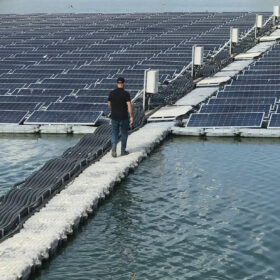
Australian firm secures PPA for 700 MW of floating PV plus battery in Sri Lanka
Australia’s United Solar Group has secured a power purchase agreement (PPA) for 700 MW of floating solar and a 1.5 GWh battery project in Kilinochchi, Sri Lanka.
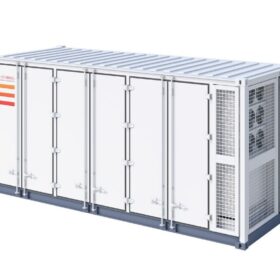
Canadian Solar launches new grid-scale battery
Canadian Solar says its new SolBank 3.0 grid-scale battery supports up to 2.35 MW/5 MWh of grid-scale renewable energy storage and dispatch.
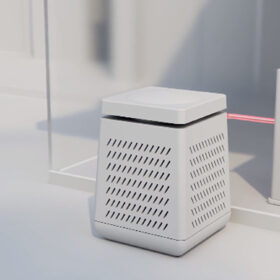
Canadian startup unveils residential air source heat pump for cold climates
Terravis Energy said its heat pump prototype uses difluoromethane (R32) as the refrigerant and has a seasonal coefficient of performance (SCOP) of approximately 3.0 under Ontario’s environmental conditions.
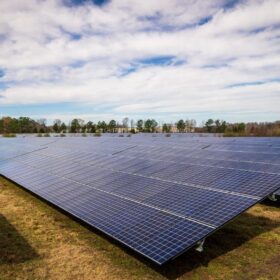
What happens when the sun doesn’t shine?
Pacific Northwest National Laboratory (PNNL) has looked at the frequency and duration of “energy droughts” across the United States, as solar and wind are intermittent energy sources.
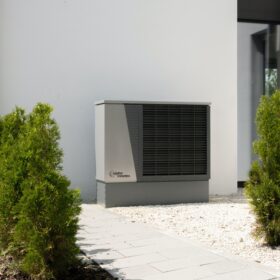
Cambridge scientists recommend careful cost assessment before switching to heat pumps
The researchers said that an increment in heating demand due to the use of heat pumps can be accurately predicted based on heating hours, local climate, heat loss and thermal mass. They also recommended including heat loss and thermal mass parameters in buildings’ energy performance certificates, so households can make more informed decisions before changing their system.
