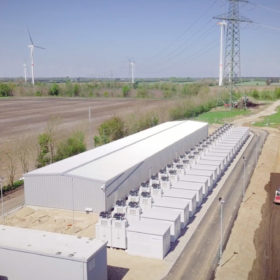
India’s NTPC tenders 500 MW/3,000 MWh of energy storage projects
Global bids are invited to develop a cumulative 500 MW of energy storage system facilities on a “build-own-operate” basis anywhere in India. The proposed plants can be set up ranging in sizes from 100 MW to 500 MW, with the capacity to store at least six hours of electricity — for example, a 500 MW project with a minimum energy storage capacity of 3,000 MWh. Bidding closes on March 11.
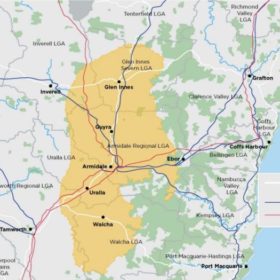
Australia’s NSW declares massive 8 GW renewable energy zone
The New South Wales Government is forging ahead with plans to bring 12 GW of renewable energy and 2 GW of storage online by 2030 with the formal declaration of Australia’s second coordinated renewable energy zone in as many months.
Italy allocates 710 MW of solar in seventh renewables auction
In the procurement exercise, the Italian authorities selected 49 solar projects with a capacity of less than 10 MW and 11 solar parks ranging in size from 13.2 MW to 92.4 MW. The lowest bid came in at €0.06263/kWh and was offered for a 5.9 MW solar project located in the province of Perugia, in the Italian central region of Umbria.
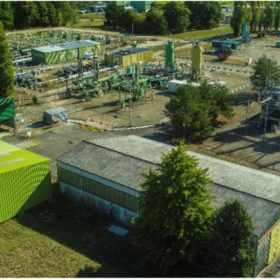
The Hydrogen Stream: Underground hydrogen storage for 1 MW electrolyzer in France
Elsewhere, several hydrogen projects were announced in Norway, Germany, India, China and the UK. Royal Dutch Shell started operations at the power-to-hydrogen electrolyzer in China and Germany’s Linde Engineering signed a contract for the construction a green hydrogen demonstration plant in Norway. Furthermore, Green Hydrogen Systems signed a supply agreement with Edinburgh-based Logan Energy to deliver electrolysis equipment for a project in England.

Italy introduces 11-month retroactive incentive cut on PV systems over 20 kW
The incentive cut will apply only for the period from February 1, 2022, to December 31, 2022, and will reduce the tariffs paid by the GSE to PV system operators under the Conto Energia regime, depending on the zonal energy price, with the incentive reduction being proportional to the increase in energy prices.
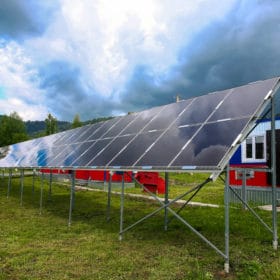
Russia deployed 233 MW of solar in 2021
Most of the deployed capacity comes from utility scale solar plants selected in the country’s tender scheme for renewables.

Germany launches 1.1GW PV tender
The deadline to submit bids is March 1 and the offered capacity is 1,107.7MW instead of the originally planned 617MW. The ceiling price has been set at €0.0557 per kWh.
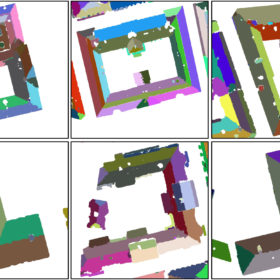
Novel methodology to identify solar-suitable roofs
Swedish scientists developed a three-step method that integrates techniques used for the automatic extraction of buildings along with their underlying roof faces, as well as the identification of utilizable rooftop areas for solar arrays. The novel methodology is claimed to avoid overestimating actual potential of buildings for PV deployment.

Venture capitalist sees billion-dollar opportunities for solar and storage innovators
Bill Nussey describes in his new book a much larger role that he foresees for local solar and storage, and a correspondingly altered role for electric utilities.

Australian miner’s lithium ambitions cop a battering
Anglo-Australian mining giant Rio Tinto’s ambition to become one of the world’s largest lithium suppliers has taken a battering with the Serbian government pulling the plug on the company’s $3.3 billion ($US2.4 billion) Jadar lithium-borates project.
