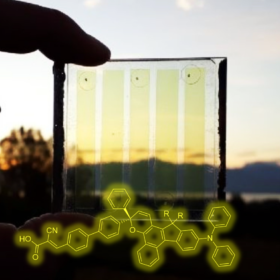
Semi-transparent mini BIPV panels for solar windows
European scientists have developed mini modules with an active area of 14 cm² and a 3.68% efficiency rating. The panels also have a self-adjusting feature that can help to mitigate the amount of light when they are exposed to full sunlight, or to the temperatures of buildings with large windows and/or glass facades.

Catching up on the Musk-Tesla-SolarCity acquisition case
Tesla CEO Elon Musk finds himself in the news quite often, from groundbreaking SpaceX launches to contentious tweets. Yet one story that has flown under the radar by the brash businessman’s standards has been going on for four years now.

Norway extends support for rooftop PV
The Norwegian government has decided to postpone the planned reduction of the Plusskundeordningen solar-rebate program, currently managed by the Norwegian Water Resources and Energy Directorate, until the end of this year.

Ikea’s full home solar offer arrives in Australia
Ikea has launched its turnkey home solar offer in Australia, making it the first market outside of Europe in which consumers can purchase home solar kits from its website. The company has partnered with Solargain to bring solar to as many Aussie rooftops as possible.
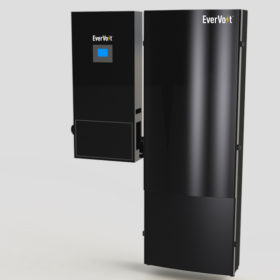
Panasonic, Span team up for home battery backup and energy management
Span’s ambition is to “transform the electrical panel into an intelligent gateway” and expand the adoption of solar and electric vehicles, as well as storage systems like Panasonic’s residential battery.
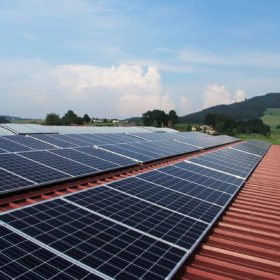
France assigns 152 MW in commercial and industrial PV tender
The final average price for power generated by solar systems with capacities ranging from 100 kW to 500 kW came in at €96.49/MWh. The price for installations ranging in size from 500 kW to 8 MW was €86.17/MWh.
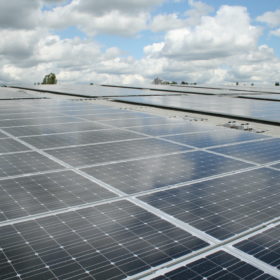
Flanders to reintroduce subsidies for rooftop PV
Four years after the expiration of green certificates for PV systems up to 10 kW, the authorities in Belgium’s Flanders region want to support solar again – but this time in the form or rebates. A new scheme will likely go into force in 2021, with up to €1,500 to be awarded per PV system.
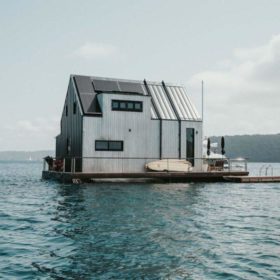
100% solar-powered floating villa
Australian designer Chuck Anderson’s Lilypad is a 100% solar-powered villa floating off Palm Beach in north Sydney.
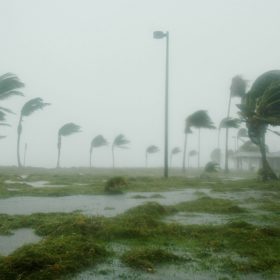
PV systems could provide up to 60% of output during hurricanes
Researchers in the U.S. have demonstrated, using simulations, PV system generation can range from 18-60% of clear-sky potential during hurricanes – provided the arrays do not suffer damage. According to them, solar installations could continue to provide back-up power when grids are down during hurricanes, especially if coupled with energy storage.

Bulgaria plans to introduce FITs for solar systems up to 30 kW
The government is considering a €0.12/kWh feed-in tariff for PV installations with a generation capacity of up to 5 kW and of €0.10 for 5-30 kW systems. If implemented, the scheme will come into force next month.
