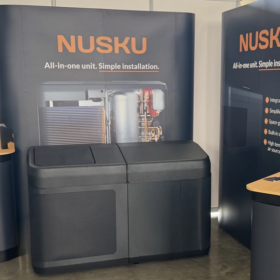
UK startup showcases all-in-one water cylinder heat pump prototype
Nusku has developed a prototype of a fully integrated air-source heat pump system that combines the heat pump with a hot water cylinder and controls into a single outdoor unit. The design aims to simplify installation and reduce space requirements by replacing separate indoor and outdoor components with one pre-packaged system.

Pakistan plans to scrap licensing fee for PV systems up to 25 kW
The move seeks to reverse aspects of the Nepra Prosumers Regulations 2026, which centralized approvals and is creating delays and financial barriers for rooftop solar adoption.

How BIPV façades behave under enclosure fire conditions
A group of scientists in China constructed a specialized compartment to test the thermal breakage and fallout of BIPV façades under enclosure fire conditions. They examined three different types of BIPV modules and found that tempered-glass PV panels exhibit superior thermal and mechanical resistance to breakage.

Daikin unveils ‘plumb-and-play’ residential heat pump
Daikin has launched the Altherma 3 H HT, a pre-engineered air-to-water heat pump using R-32 refrigerant, operating down to −28 C and delivering up to 70 C leaving water temperature for direct boiler replacement in existing radiator systems. The system reportedly achieves a coefficient of performance of 4.86.

Tesla launches three-phase Powerwall 3P
The system integrates a battery, hybrid inverter, and home energy management system into a single device. It supports the integration of additional appliances, including heat pumps via SG-Ready interfaces. A connection to Tesla’s proprietary wallbox is also planned.

Zendure launches battery series for residential PV
Zendure is upping its to target the whole-home residential space, expanding on its plug-in balcony storage roots.
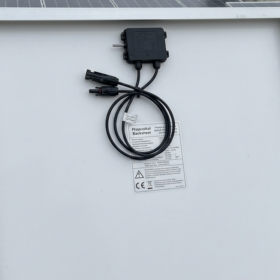
No evidence of PFAS leaching from solar panels, study finds
Researchers in the United States reviewed claims about PFAS in solar panels and found that while fluoropolymers may be used in limited components like backsheets or coatings, there is no confirmed evidence of PFAS leaching from commercially deployed modules. The study highlights widespread confusion between different PFAS types and emphasizes the need for clearer communication and transparency around fluoropolymer use in PV technologies.

How to operate PV-driven residential heat pumps under time-varying tariffs
Researchers in the United Kingdom developed a scheduling model for residential heat pumps that reduces electricity costs while maintaining thermal comfort under dynamic tariffs and uncertain rooftop PV generation. It optimizes when to use grid power, PV energy, and building thermal storage.

Samsung launches residential air-to-water heat pump reaching SCOP of up to 4.9
The Korean manufacturer said its new heat pump system can achieve a seasonal coefficient of performance of up to 4.9 under low-temperature floor heating conditions, and approximately 3.78 under higher-temperature operation at 55 C.
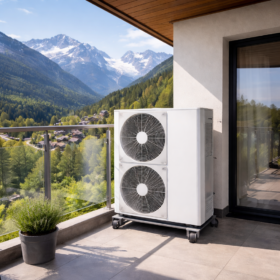
Could global warming improve heat pump efficiency in Alpine regions?
Researchers in Italy analyzed air-to-water heat pump performance in Alpine regions, focusing on how start-up and defrost cycles affect efficiency under current and future climate conditions. Their simulations show that while warmer temperatures slightly reduce defrosting losses and modestly improve efficiency, start-up cycling losses remain significant and continue to limit overall performance gains.
