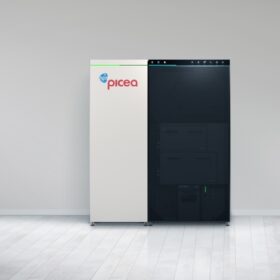
HPS Home Power Solutions unveils hydrogen residential storage system
Germany’s HPS Home Power Solutions says its new 15 kW system uses surplus power from PV installations to produce hydrogen via electrolysis.
Novel tool for PV system sizing allows users to assess tradeoffs between reliability and costs
Developed by scientists in Egypt, trhe Green Energy Solutions software allows users to assess the tradeoffs between the PV system reliability and its costs. Compared to PVsyst, it has an error margin of up to 9%.
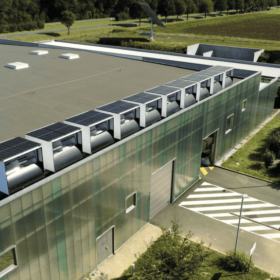
French firms deploy 10 wind-PV generators on commercial rooftop
Segula Technologies and Wind my Roof recently installed 10 hybrid wind-solar generators on the rooftop of a commercial building. Each system features a 1,500 W wind turbine and two 800 W solar modules. A smart storage system will support a microgrid in the building.
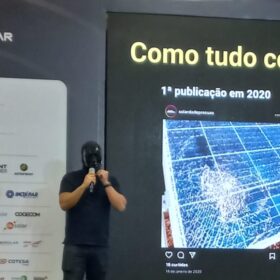
Masked engineer highlights strangest mistakes in solar deployment
A Brazilian engineer on Instagram, always wearing a mask, has become a sensation in the Brazilian solar industry, attracting 12 sponsors with a mission to educate companies and consumers about common errors to avoid in rooftop PV installations.
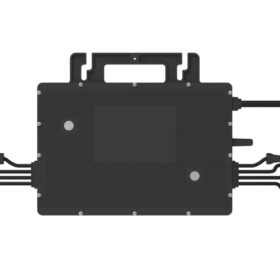
Hoymiles introduces three-phase solar microinverters
Chinese manufacturer Hoymiles has announced the North American launch of its new inverters, which are designed for commercial and industrial installations.
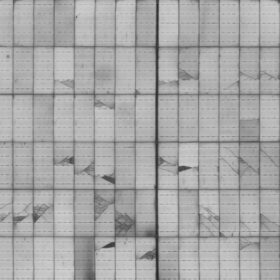
New survey shows ‘massive’ increase in PV module microcracks
A new study from Clean Energy Associates (CEA) shows that 83% of sites tested as part of a global survey had line cracks, 78% had a soldering anomaly and 76% had complex cracks. The survey involved visual inspections combined with electroluminescence testing across 148 sites in 16 countries.
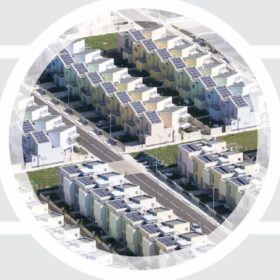
Strategies to develop ‘solar neighborhoods’
A group of scientists across the world have created a list of recommendations that can help create solar neighborhoods. In a recently published study they highlight the importance of legislative frameworks and advanced computing.
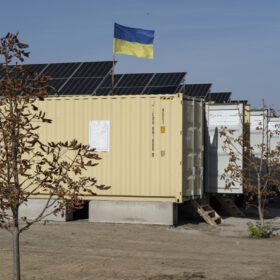
German company installs PV-powered desalination plant in Ukraine
Germany’s Boreal Light says it has installed a desalination plant in Mykolaiv, Ukraine. It claims that the system – which uses 560 W solar modules to produce 125 cubic meters of clean water per hour – is Europe’s largest PV-powered desalination project.
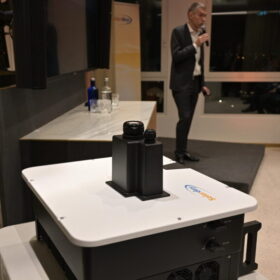
Solarday unveils new strategy, inverter line in Italy
Solarday presented its new commercial and industrial strategy at a recent event in Milan. pv magazine Italy spoke with Solarday Sales and Marketing Director Marco Vergani about the module manufacturer’s direct participation in large-scale installations and its new line of inverters.

Swiss 3S introduces new half-cell BIPV modules
Swiss 3S, the Switzerland-based manufacturer, is offering the new half-cell BIPV module in four sizes, ranging from 24 half-cells to 48 half-cells. The rated output is up to 225 W.
