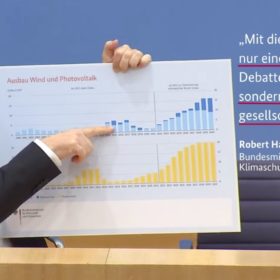
New German government presents package of measures to support PV
The new package includes an increase in solar capacity, to be allocated through tenders, and the mandatory installation of PV systems in all commercial buildings.
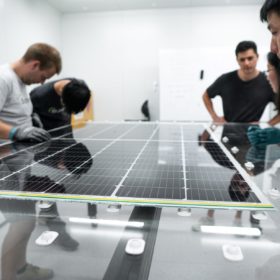
‘Ultra low-cost solar’ gets AUD 40 million R&D boost from ARENA
The Australian Renewable Energy Agency has announced AUD 40 million ($28.7 million) of research and development funding across two streams. Stream 1 consists of cells and modules, while Stream 2 is focused on balance of system, along with operations and maintenance. It is hoped the additional funding will spur Australia’s pioneering solar research to push for the federal government’s “ultra low-cost solar” target of AUD 15/MWh.
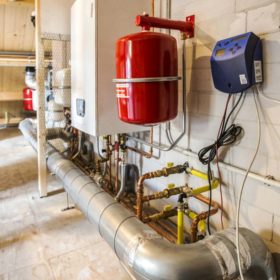
Residential building fully reliant on hydrogen for space heating, hot water
The campus of the Delft University of Technology (TU Delft) in the Netherlands is currently hosting a retrofitted existing building provided with heating by an H2 heating boiler in the attic. The boiler is linked to an underground hydrogen system.

India may add 12.5GW of solar in 2022-23
Indian ratings agency ICRA expects the solar boost based on the backlog of PV projects awarded by central and state electric utilities.

Brazil introduces new rules for distributed generation, net metering
The Brazilian authorities have introduced new rules to ensure that PV systems below 5 MW in size will still be eligible for net metering tariffs until 2045. A grid fee for prosumers will go into effect from 2023, but the economic profitability of rooftop PV and small solar parks is expected to remain high.

South Korea installed 4.4 GW of PV capacity in 2021
South Korea’s cumulative installed PV capacity hit 22 GW at the end of 2021, according to provisional figures from the Korea Energy Agency.
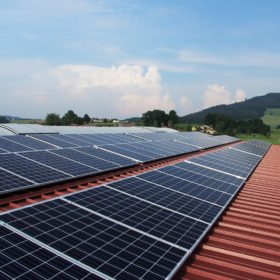
New Yorkers fund 4 GW of solar for less than a cup of coffee per month
The New York Governor’s Office has submitted its financial proposal for 4 GW of distributed solar capacity by the year 2030, at an expected cost of $0.00082/kW.
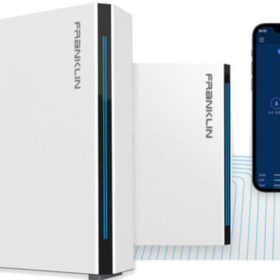
US startup debuts energy storage system
Franklin Whole Home has developed an integrated battery and control system with artificial intelligence. It is inverter-agnostic, can be used to charge electric-vehicle batteries, and turns homes into microgrids when utility services are down.
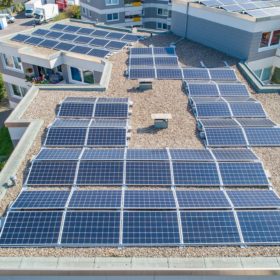
Brazil tops 13GW of installed PV capacity
The country installed around 3GW of new PV systems in the fourth quarter of 2021 alone. Around 8.4GW of the current PV capacity is represented by solar installations not exceeding 5MW in size, and operating under net metering.
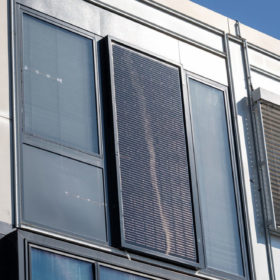
PV-assisted heat pump module facade for power supply, heating, cooling, and ventilation
Designed by scientists in Germany, the module facade has to be integrated with a building’s technical equipment. The rooms behind the facade can be supplied with solar power and at the same time heated, cooled and ventilated.
