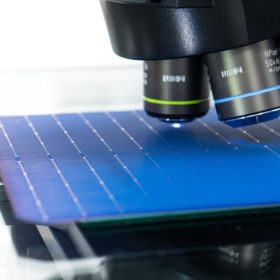
SunDrive lands $13 million to scale copper-based solar tech
Australia’s SunDrive has completed a new AUD 21 million ($13 million) funding round to help commercialize its revolutionary solar cell tech, which replaces silver with copper to improve solar panel efficiency and reduce costs.

Chinese PV Industry Brief: Beijing, polysilicon suppliers discussing prices
The Chinese government has started talks with major companies about polysilicon costs and supplies. Datang has revealed the results of its latest 5.5 GW solar panel procurement tender, while Tongwei has announced its third-quarter financial results.
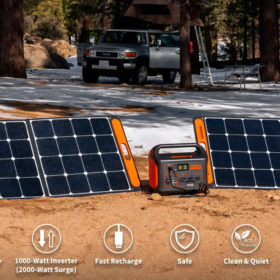
New off-grid solar generator
US manufacturer Jackery has unveiled Solar Generator 1000 power kits, which are designed for off-grid operations and emergency backup power.
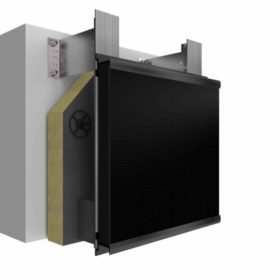
Ventilated facade with integrated solar panels
Germany’s Sto says its novel solar facade technology for residential buildings allows the alignment of modules in vertical or horizontal arrangements.
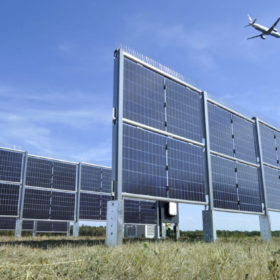
Vertical PV to protect biodiversity at German airport
An 8.4 kW pilot vertical PV project is now operating at the airport in Frankfurt, Germany. The solar panels are vertically arranged to protect the biodiversity of the site. In the final stage of expansion, the system will reach up to 13 MW of output.
Australian company targets solar panel industry with high-grade silica
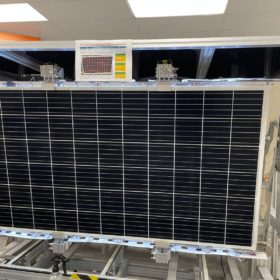
Allup Silica aims to target the booming solar PV panel industry after independent tests confirmed the presence of premium silica sands – a key component of high-end glass manufacturing – at its Sparkler project in Western Australia.
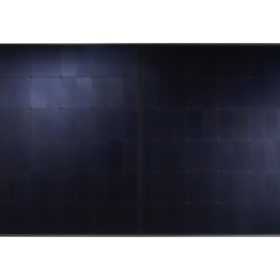
FuturaSun unveils 425 W n-type IBC solar module for rooftop applications
FuturaSun has revealed plans to expand its production capacity in China and its home market, Italy. Its new all-black solar panel features a power conversion efficiency of up to 21.60%.
Waaree Energies raises $122.4 million to expand solar manufacturing
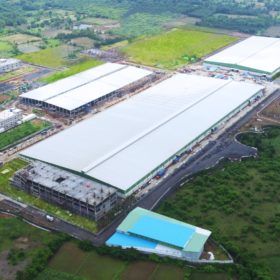
Indian solar manufacturer Waaree Energies has raised INR 1,000 crore ($122.4 million) from a number of private investors to support its module capacity expansion to 9 GW and its new cell line to 5.4 GW.
Maxeon shuts down French solar module factory
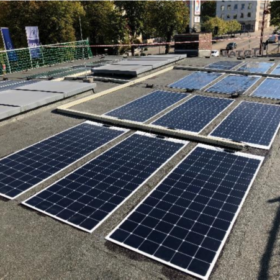
Maxeon has closed its last PV module factory in Europe, as it cannot remain competitive due to its small size and high raw material costs.
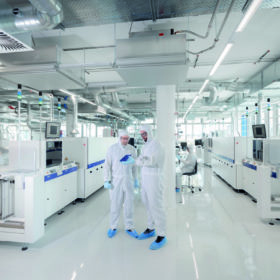
Fraunhofer ISE develops direct metallization tech for heterojunction solar cells
Germany’s Fraunhofer ISE is applying its FlexTrail-printing technology to the direct metallization of silicon heterojunction solar cells. It said the technique reduces the use of silver, while maintaining high efficiency levels.
