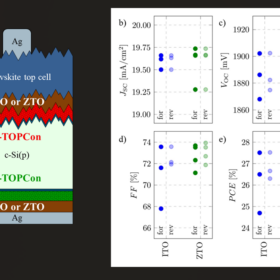
Perovskite–silicon tandem solar cells using zinc-doped tin oxide achieve comparable performance to indium tin oxide counterparts
Fraunhofer ISE-led researchers demonstrated zinc-doped tin oxide (ZTO) as an indium-free alternative to indium tin oxide (ITO) for recombination layers in fully textured perovskite–silicon tandem solar cells. ZTO delivers comparable device efficiencies of 27–28% under current-matching conditions, offering a scalable, indium-free pathway for high-performance tandem photovoltaics without efficiency loss.
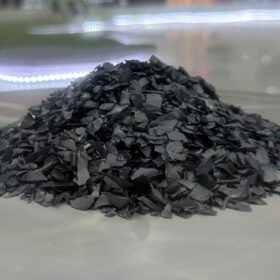
Chinese PV Industry Brief: Hoshine Silicon posts $411 million loss for 2025
Hoshine Silicon reported 2025 revenue of CNY 20.499 billion ($2.82 billion) and a CNY 2.991 billion net loss driven by PV disruption and impairments. Meanwhile, polysilicon and wafer prices continued to decline in mid-April amid high inventories and weak demand.
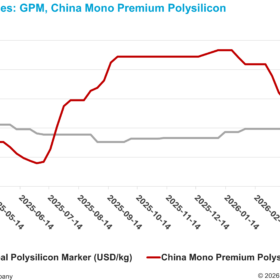
China polysilicon hits cost floor as producers curb output amid weak demand
In a new weekly update for pv magazine, OPIS, a Dow Jones company, provides a quick look at the main price trends in the global PV industry.
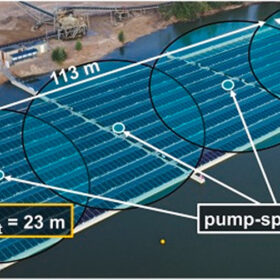
Spray cooling for floating PV
A research team in Germany developed a dynamic model of spray cooling for floating PV systems that couples thermal behavior, electrical performance, and active cooling, and validated it against a 750 kW installation. Simulations across four climates showed that spray cooling reduces module temperatures by up to 42% and improves energy yield by up to 3.8%, with benefits strongly dependent on local conditions.
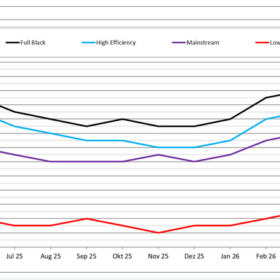
PV module prices continue to rise unabated
Photovoltaic module prices have risen for the fourth consecutive month, driven by strong demand for energy independence despite falling upstream costs such as polysilicon. At the same time, production cuts in China and tighter supply conditions are limiting availability, reinforcing price increases across all technologies.
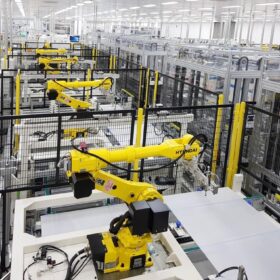
South Korea widens tax credits for low-carbon solar manufacturing
South Korea has extended investment tax credits to solar module manufacturing facilities meeting carbon footprint thresholds, in the latest step in a policy trajectory that increasingly uses procurement and tax measures to support domestic manufacturers.
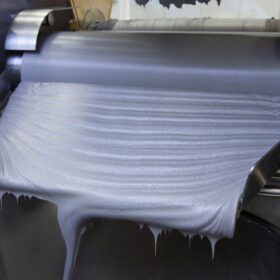
Silver demand from PV industry expected to drop 19% this year
A new report from Metal Focus reveals that global silver market remains structurally tight, with elevated prices, a fifth consecutive annual supply deficit in 2025, and ongoing mine and recycling constraints despite modest production growth. At the same time, PV-driven silver demand is falling sharply due to cost pressure and thrifting.
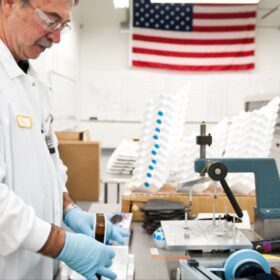
Suniva to build 4.5 GW solar cell factory in South Carolina
The expansion will bring the company’s total domestic cell capacity to 5.5 GW, cementing its position as the largest merchant solar cell manufacturer in the United States.

India adds heterojunction cell tech to approved solar manufacturers list
Reliance Industries Ltd has become the first company to secure the inclusion of heterojunction solar cells in the Approved List of Models and Manufacturers (ALMM) published by India’s Ministry of New and Renewable Energy.

U.S.-Israeli conflict with Iran tests solar supply
The U.S.-Israeli conflict with Iran is unlikely to materially affect solar manufacturing projects in the Middle East for now, as most of these investments remain at an early stage. OPIS analyst Brian Ng sees the most immediate risk in logistics. If disruptions persist, shipments of solar products into the region could be delayed and export pricing may turn volatile.
