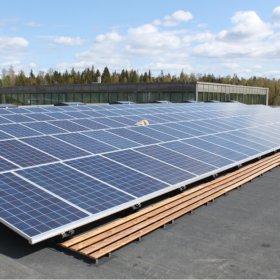
Finland to extend net metering to all PV systems in 2023
At present, only a few distributors offer net-metering services in Finland, meaning that only a small share of PV systems are net-metered. In 2023, all PV systems will be offered net metering through the country’s new centralized information exchange system for the retail electricity market.
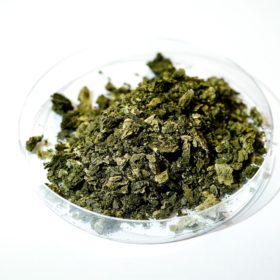
Algae could boost solar panel efficiency by 4%
A Swedish team has inaugurated a pilot facility to mass produce algae material that can potentially boost silicon solar module efficiency by 4% and thin film by 36%. The algae are added to the encapsulant in silicon-based modules or to the anti-reflective coating on the glass of thin film modules. The team estimates the resulting modules would be 3.9% cheaper.
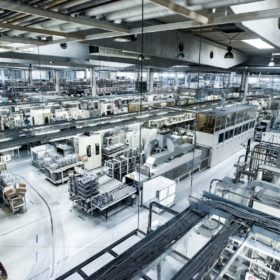
Daikin to scale up heat pump output in Czechia
The Japan-based manufacturing company has revealed plans to increase fivefold its production of heat pumps at its facility in Czechia by 2025.

Space-based solar power for terrestrial energy needs
The Cassiopeia solar project aims to use the sunlight collected by a space satellite for terrestrial energy needs. The electricity generated would be converted to radio frequency microwave radiation transmitted to an antenna on Earth. The initial LCOE would be €48 ($47.8)/MWh, according to a UK study.
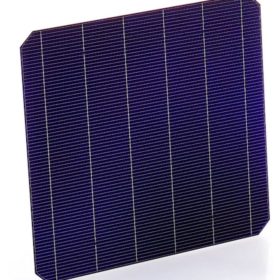
CEA-INES reduces silver consumption in M2 heterojunction solar cell
The French research institute said it was able to reduce the width of the metallization lines of the photovoltaic cells without affecting the efficiency.
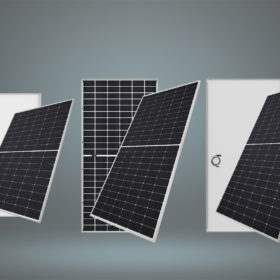
Sharp raises power output of three half-cut solar modules
The IEC/EN61215 and IEC/EN61730-certified panels are all updated versions of existing products. The manufacturer raised the ouput of each by 5 W.

BIPV solar facade on high-rise building to produce 58 MWh annually
The 25-meter building facade building with 120 solar modules uses SolarEdge optimizers to overcome shading from neighboring buildings.
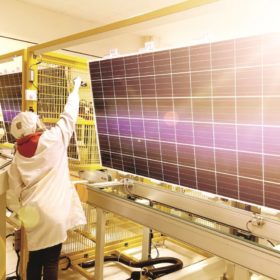
Chinese PV Industry Brief: Canadian Solar starts production of independently developed inverters
The Chinese-Canadian module maker said its new inverters will have a power output ranging from 5 kW to 125 kW. GCL Integration, meanwhile, announced plans to build a 20 GW solar module factory and Longi said it shipped 60 GW of wafers in the first nine months of this year.
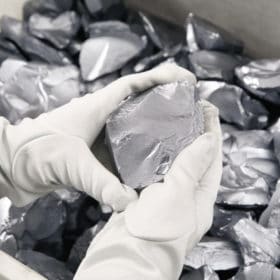
PV InfoLink forecasts polysilicon prices to be halved by end of 2023
The consulting firm expects prices to decline gradually through the first semester of 2023, followed by an accelerated decline in the second half of the year, with prices falling from the current CNY 300 ($36.64)/kg to below CNY 150/kg by the end of 2023. Polysilicon production capacity may increase from 500 GW in 2022 to 975 GW next year.
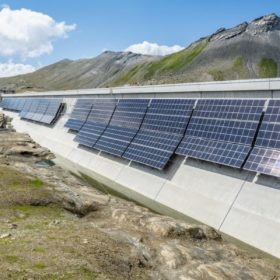
Alpine vs. urban solar
A group of Swiss researchers has shown that optimized alpine PV installations could offer revenues that are on average 20% higher than those of standard, urban, installations. Furthermore, they found that the Swiss Alps have the potential to host about 1 GW of solar capacity offering revenues 33% higher.
