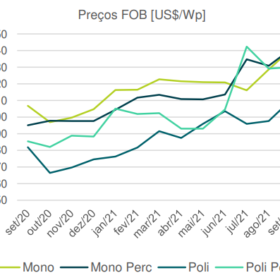
PV module import prices up by 20% in Brazil since last December
Brazilian consultancy Greener reports that monocrystalline PERC modules are currently being sold at an average price of $0.24/W in the Brazilian PV market, but prices may keep rising, possibly into 2022.
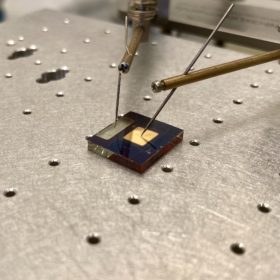
Cadmium sulfide, a poor partner for selenium tandem solar cells
A Danish-German research team has shown that using cadmium sulfide as an n-type partner in heterojunction tandem solar cells based on selenium does not produce satisfying results. The team has discouraged other scientists from following the same path.

Future climate scenarios to adversely affect Australia’s PV capacity
Australia is blessed with an incredible solar resource, but it will be diminished by global warming.
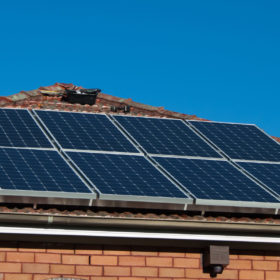
PV system design for low-cost hot water production
Developed by Spanish scientists, the proposed system design is said to be able to achieve water temperatures above 70 degrees Celsius and to cover around 85% of the annual sanitary hot water consumption of a household with six people.
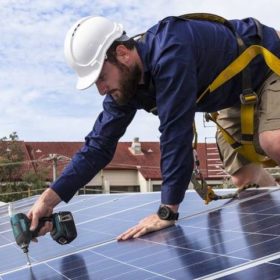
Australia deployed 3 GW of rooftop solar in 2020
Australia broke solar installation records across all rooftop PV sectors in 2020, solidifying its “remarkable” position in the global solar market with the highest per capita capacity, at more 810 W per person.
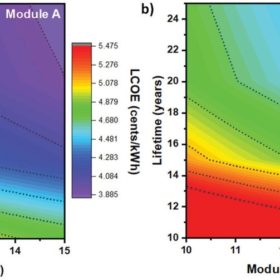
Analyzing the opportunity for perovskite solar module production in India
Scientists in India conducted a techno-economic analysis for a 100 MW production line for carbon-electrode perovskite solar modules, located in Himachal Pradesh, India. The analysis concludes that, even at the smaller scale, this emerging technology could achieve cost levels comparable with today’s silicon solar products.
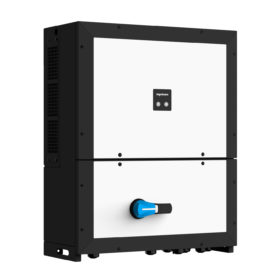
Ingeteam showcases three-phase battery inverter for commercial and utility scale projects
The Ingecon Sun Storage 100TL battery inverter has an efficiency of 98.8% and a European efficiency rating of 98.1%. The device features maximum DC voltage of 1,100 V and an input voltage range of 570-850 V.
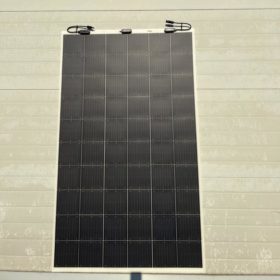
Flexible BIPV panel with 410 W output from Italy
Developed by cleantech company Verditek, the flexible module has a 20.1% efficiency and a weight of 4.9kg. It can bend up to 35% using standard 160µ-thick crystalline cells.
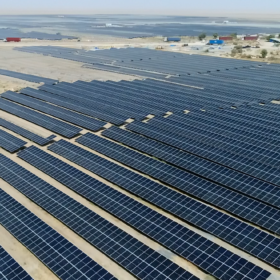
China power crisis hits Indian solar projects
After the ravages of Covid-19, electricity shortages in China have now raised costs for its solar manufacturers, with knock-on effects for developers in India too, again highlighting the dangers of relying on a single solar supply chain.
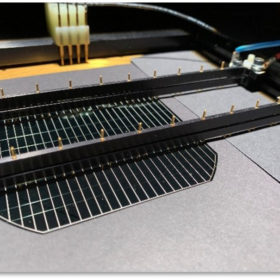
Scaling up perovskite-silicon tandem solar cell performance
Scientists in Germany investigated various routes to optimizing cell design for perovskite-silicon tandem products. Beyond the perovskite layer itself, they note several other areas that should be optimized for tandem cells, taking silicon heterojunction processing as a starting point. The research identifies several routes to cut costs in cell production, including a significant reduction in indium consumption.
