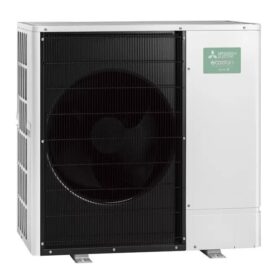
Mitsubishi unveils propane heat pump for residential applications
Mitsubishi Electric has developed an air-source heat pump that uses propane (R290) as the refrigerant. It can produce between 5 kW and 8.5 kW of heat and domestic hot water to a temperature of up to 75 C.
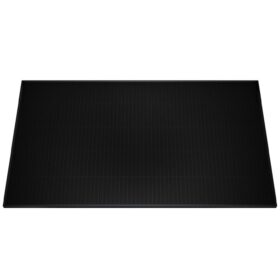
Belinus unveils shingle solar panels with 20.1% efficiency
Belgium-based Belinus says its new PV modules feature a nominal power rating of 420 W and a power conversion efficiency of 20.1%. It says plans are also in place to build a 500 MW solar panel factory at an unspecified Belgian site.
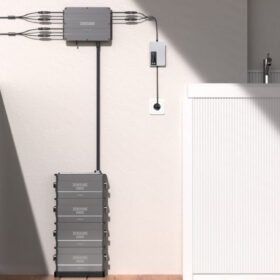
Zendure introduces residential batteries for balcony solar modules
Zendure’s SolarFlow batteries have capacities of 960 Wh and can be stacked up to 3,849 Wh. The US manufacturer wants to begin selling the plug-and-play systems in April.
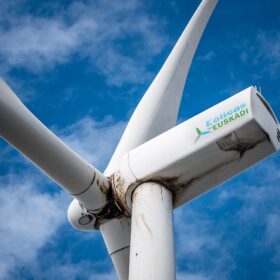
Solar mounting structure made of recycled wind turbine blades
Spain’s Acciona Energia is using fiberglass from the blades of used wind turbines to make the torsion beams of solar trackers. It is using the tech as part of a pilot project in Badajoz, Spain.
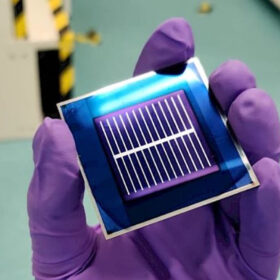
CEA-INES, Enel achieve 26.5% efficiency for tandem perovskite-silicon solar cell
CEA-INES researchers and Enel have developed a new solar cell with an active area of 9 cm² and an open-circuit voltage above 1,880 mV. Their results improve on the 25.8% efficiency they achieved for the same kind of cell in December 2022.
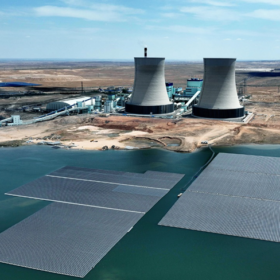
India’s SECI tenders 100 MW floating solar plant
Solar Energy Corp. of India (SECI) has started accepting global bids to build a 100 MW (AC) floating solar project in the Indian state of Jharkhand. Bidding closes on May 2.
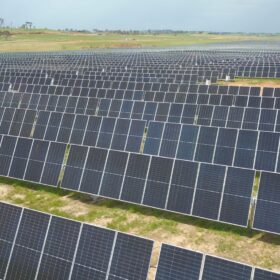
ACEN moves forward with 720 MW Australian solar farm
The largest solar project in the Australian state of New South Wales has officially opened, with ACEN Australia confirming that the first 400 MW stage of its planned 720 MW New England Solar Farm is now progressing through the commissioning process.
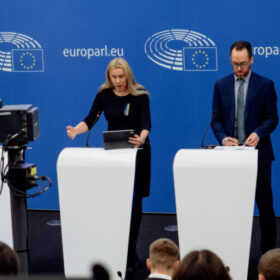
European Commission proposes electricity market reform
The European Commission’s long-awaited reform of the European Union’s electricity market proposes to keep the merit order mechanism, but going forward the European energy market will be more strongly characterized by long-term PPAs and bilateral contracts for differences.

French region announces financial aid for solar PPAs
France’s largest administrative region, Nouvelle-Aquitaine, has launched a call for new solar projects. It aims to promote access to power purchase agreements (PPA) for companies and encourage the emergence of new installations.

Stella the Stargazer – the latest in a trend of luxury, solar-powered getaways
On the back of Covid-19 lockdowns, geopolitical energy concerns, a cost-of-living crisis, and congested cities, some people are looking for alternate ways of living, while others are just looking for an cozy getaway that doesn’t come with a Sasquatch-sized carbon footprint. Enter Stella the Stargazer, a solar-powered holiday destination that makes off-grid living the lap of luxury.
