
Airlifting PV modules for C&I solar projects
Is airlifting solar modules the future of commercial and industrial rooftop PV installation? Epho Commercial Solar recently used a helicopter to airlift pallets of modules to 12 rooftops at a Woolworths location in Australia.

New 635-660 W module series from Trina
The latest products in the Vertex series from the Chinese manufacturer, unveiled at the SNEC PV Power Expo in Shanghai, are available in six versions with reported efficiency ranging from 20.4-21.2%.

Photovoltaic blinds to improve greenhouse energy performance
A Swedish-Iranian research team modeled 14 photovoltaic blind configurations in checkerboard arrays 1m above a greenhouse roof emulated with EnergyPlus building energy simulation software. The group found a PV installation would reduce natural gas consumption, electricity demand and carbon emissions.
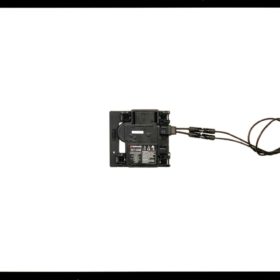
Enphase and Sonnenstromfabrik unveil AC solar panel
The US microinverter producer and the German panel maker have launched a residential glass/glass PERC module equipped Enphase IQ 7+ device. The 60-cell PERC module is available in three versions with power output ranging from 320 to 330 W and efficiencies of 18.8% to 19.4%.
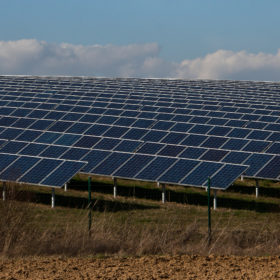
Analysis of Ireland’s first renewables auction
Harsh Goenka, from solar forecasting company Solargis analyzes the results of the nation’s first clean energy tender for pv magazine after the procurement exercise secured an average solar electricity price of €72.92/MWh.

Isle of Man tenders for 20 MW of solar and wind
The call is part of a government action plan for achieving net zero emissions by 2050.
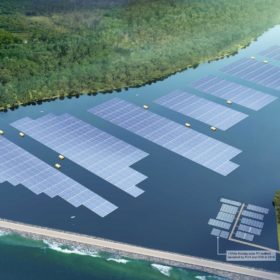
Construction begins on 60 MW floating solar plant in Singapore
The project, on the Tengeh reservoir, will sell power to the city state’s Public Utilities Board under a 25-year power purchase agreement.
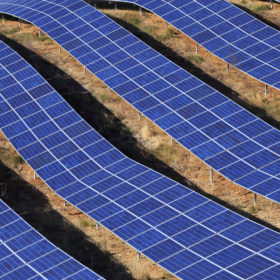
Brazil imported 2.5 GW of PV panels in first half of 2020
According to a recent report from Brazilian consultancy Greener, the country imported 1.61 GW of panels in the first quarter and 877 MW in the second. Domestic PV module makers had a 4.4% market share with around 100 MW in shipped modules in the first half of the year. The analysts claim these figures show the Brazilian PV market has not been affected by the Covid-19 crisis.
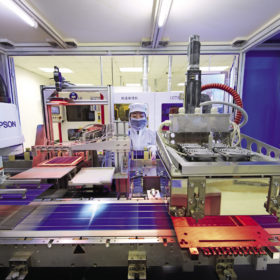
Chinese PV Industry Brief: Production expansion plans for Trina, JA Solar, ZNshine
Trina Solar said this week that it plans to expand cell production output by 10 GW at its factory in Jiangsu province, while JA Solar revealed plans to ramp up wafer production by 20 GW. ZNshine Solar, meanwhile, is aiming for 10 GW of new PV module capacity.

India’s PV capacity tops 37 GW
Newly installed PV capacity for the second quarter was just 205 MW. This compares to around 1.5 GW a year earlier.
