Kinematics acquires Spanish solar tracking controller specialist
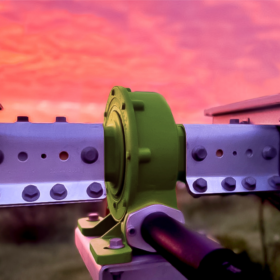
The acquisition of P4Q brings Kinematics expertise in full-stack electronics, including its tracker controls brand, Suntrack.
New solar tracker algorithm boosts captured energy on cloudy days
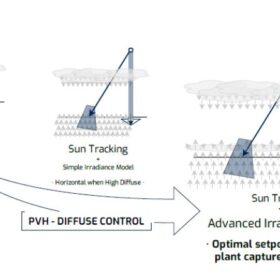
PV Hardware USA has developed a solar tracker algorithm to improve energy collection in overcast conditions. The algorithm could improve output by up to 20% on some days compared to traditional sun-tracking methods.
GameChange Solar releases solar tracker topography design tool
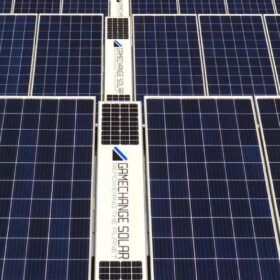
The new TopoSmart+ software enables users to find the most cost-effective topography and design plan to install the company’s Genius Tracker solar mounts at a given location.
2D modeling to deploy bifacial PV plants with single-axis trackers on sloping terrain
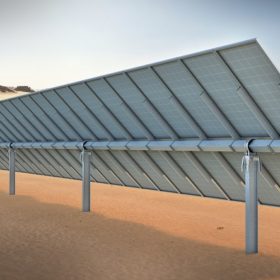
Developed by Spanish scientists, the proposed model is intended to reduce yield losses caused by the fact that north-south aligned single-axis trackers are often deployed on uneven east-west slopes.
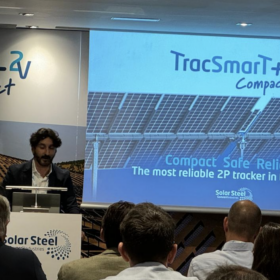
Gonvarri Solar Steel unveils new tracker
Spain’s Gonvarri Solar Steel claims that its new single-row tracker can improve structural stability and performance in adverse conditions.
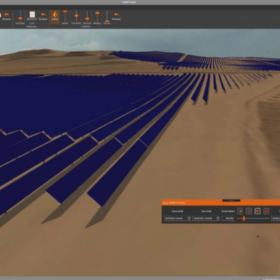
New tool optimizes ground works, PV tracker planning
Aplitop and Soltec have partnered to develop a computer-aided design (CAD) plugin application aimed at simplifying the planning process and reducing earth-moving operations, measurements, and the relocation of solar trackers in ground-mounted PV projects.
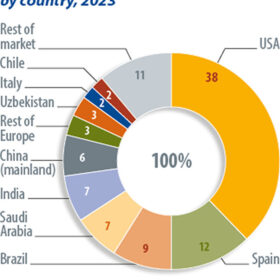
Innovation driving change in solar tracker market
Shipment volumes are growing in the global solar tracker market as innovation in project development drives demand. Joe Steveni, of S&P Global Commodity Insights, takes a look at the factors shaping the commercial landscape for trackers, from agrivoltaics and undulating terrain to Indian ambition and the United States’ Inflation Reduction Act.

Crop-responsive PV tracking system for greenhouses
An international consortium led by Israel-based Al-Zahrawi Society announced the first European installations of a multi-year project to test crop-responsive PV systems combined with carbon dioxide enrichment in greenhouses.
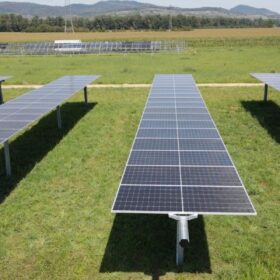
Digital twin technologies for solar tracking in agrivoltaics
Fraunhofer ISE researchers are applying deep learning and digital twin modelling tools to optimize PV tracker control systems for use in farming and biodiversity projects. The goal is to be able to automatically position the modules throughout the day to meet the needs of the plants growing below, in light of the microclimatic conditions, and the need to optimize yield.
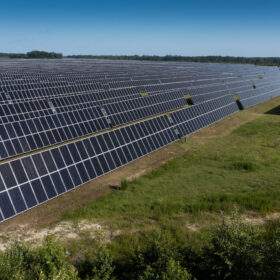
FTC Solar introduces automated hail stow for solar tackers
FTC Solar has developed a hail stow strategy that positions solar modules to minimize the impact of hail and wind, based on a collaboration with VDE Americas.
