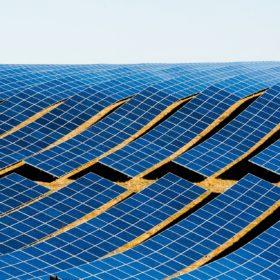
Data shows solar asset underperformance and bias towards optimistic pricing
Solar assets are underperforming far more frequently than official energy estimates would suggest, according to the industry experts who contributed to KwH Analytics’ 2020 solar risk assessment report.

China entering post-FIT era with solid prospects
The Chinese government is planning to phase out FITs and subsidies for all kinds of PV installation by the end of this year, according to the China Photovoltaic Industry Association. The trade body, however, expects strong recovery for domestic solar demand over the next five years, beginning in the second half of 2020.

Mobile solar pumping system offers pay-as-you-go solution for Indian farmers
Researchers have simulated a cart-mounted solar pump which they say would mean farmers in off-grid areas would be able to irrigate fields by paying only for the solar electricity used.
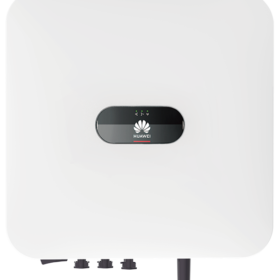
New residential inverter from Huawei
With power ranging from 2-6 kW in the seven-device series, the Sun2000-2-6KTL-L1 string inverters offer efficiencies of 98.2-98.4%. The 12kg products measure 365x365x156mm and feature two maximum power point tracking channels.
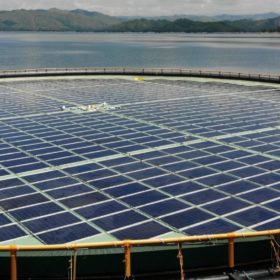
Albania’s first floating PV project now under construction
Norway’s Statkraft is building a 2 MW floating PV array, first announced a year and a half ago, at its 72 MW hydropower plant in Albania’s Elbasan region. Norwegian floating PV specialist Ocean Sun has agreed to supply tech for the €2 million plant.
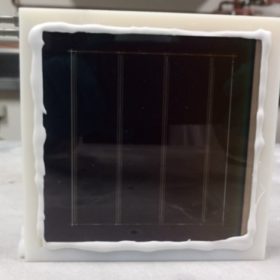
PV-electrochemical water-splitting for hydrogen production
A German research team has developed a new photovoltaic-electrochemical device for alkaline water electrolysis. The prototype has an initial solar‐to‐hydrogen efficiency of approximately 7.7%.

SPI reboots as outdoor event in Las Vegas
The US solar industry’s largest trade show goes hybrid, with a virtual and outdoor event at the Las Vegas Convention Center Oct. 21-22 — and organizers say, no swag, please.
Global solar capacity may reach 1,448 GW in 2024
SolarPower Europe has predicted the volume of new PV capacity added this year will be 4% less than last year’s figure because of the Covid-19 crisis. At the end of 2019, the world had topped 630 GW of solar. For 2020, around 112 GW of new PV capacity is expected, and in 2021, newly installed capacity could be 149.9 GW if governments support renewables in their coronavirus economic recovery plans.

Indian Railways tenders 400 MW of grid-connected solar
Bidders have until September 16 to pitch for generation capacity which can be installed on vacant land owned by the rail company nationwide.
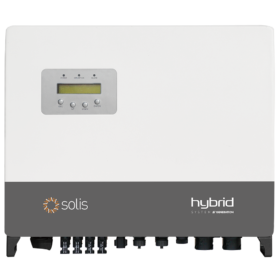
New residential battery inverter from Ginlong
The Chinese manufacturer has unveiled a hybrid product with a power range of 6.5-13 kW. The device has a maximum efficiency of 98.4%, according to Ginlong, and battery charging/discharging efficiency of 97.5%.
