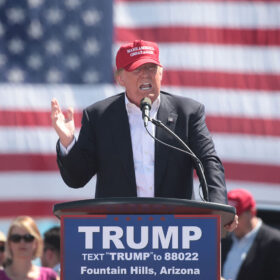
Trump tariffs deal damage to US solar
“It’s a changed world in the renewables space,” said Stefan Reisinger, partner at Norton Rose Fulbright.
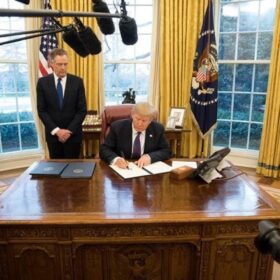
How Trump’s widespread tariffs affect the U.S. solar industry
Tariffs of 10% are applied to most products from most countries, but energy and energy products, steel, and aluminum are exempt, as tariffs have already been applied.

History of U.S. tariffs and how they relate to solar
Days after entering office, the Trump administration announced tariffs on key US trading partners. While Canada and Mexico negotiated a one-month stay, it appears tariffs are set to play an even larger role in US trade policy through 2029. Paula Mints examines the history of U.S. tariffs with a focus on the solar industry.
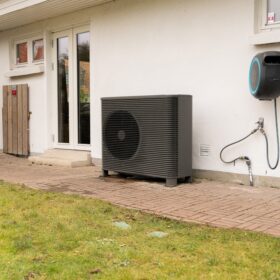
A closer look at Aira’s heat pump tech
Swedish manufacturer Aira launched its heat pump in Europe in 2024. The company told pv magazine it is now developing a full home energy management system proposition to integrate heating, solar, battery energy storage and electric vehicle charging.
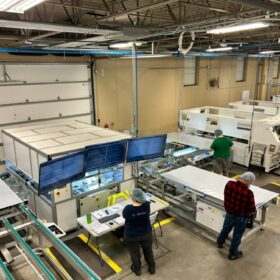
Premier Energies halts plans for US solar cell factory
India’s Premier Energies says it has suspended its plans to build a factory in the United States as it waits for “the regime in the US to settle down and be clear on what they want to do.”
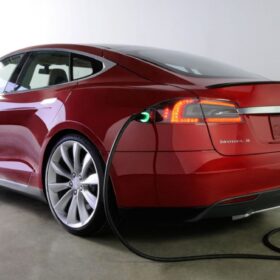
UK analyst finds incentives, education key to flexible EV tariff adoption
As a new phase of government-backed flexibility tariff trials gets underway in the United Kingdom, LCP delta analyst Shaz Shamim tells pv magazine how phase-one research revealed consumers can be convinced to hand over control when cost savings are combined with better understanding.
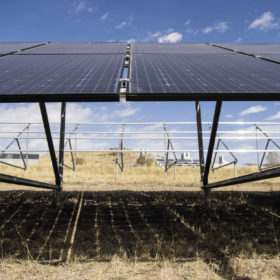
Bifacial PV modules no longer exempt from US Section 201 import tariffs
The U.S. authorities are currently subjecting imported bifacial modules to a 20% penalty – the same tariff applied to almost all other crystalline silicon solar modules.
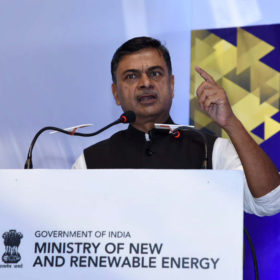
PV imports to face 20-25% customs duty in India
The Indian government’s levy on modules could almost double to 40% within a year. Cells will see a similar rise, from an initial rate of 15%.
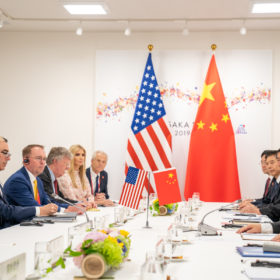
Third-party solar markets will win from US-China trade war — Fitch
The global power and renewable energy market is expected to remain largely unaffected by the Trump administration’s new wave of tariffs on Chinese goods. Although shipments of Chinese modules into the U.S. market are falling, Chinese manufacturers sent more panels to overseas markets in the first half of this year than they did in the same period of 2018. Analysts from Fitch, meanwhile, claim the U.S. solar market will continue to expand, despite higher project costs.
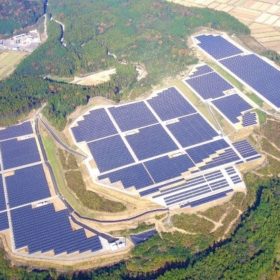
Japanese giants have solar operations on the down-low
Panasonic offloaded some of its PV interests to Chinese HJT cell maker GS-Solar and Kyocera is advertising further savings from its solar operations but neither business unit acted as a significant drag on wider group figures.
