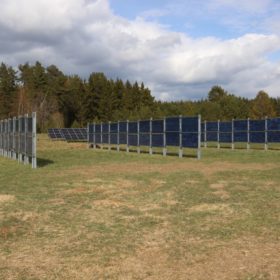
Vertical agrivoltaics to reduce PV curtailment, increase water efficiency
An international research group has analyzed a vertical bifacial agrivoltaics system in a drought-stricken part of Chile. They say that the solar array can improve water efficiency for crop irrigation, while the vertical system configuration optimizes PV power generation throughout the day, minimizing curtailment.
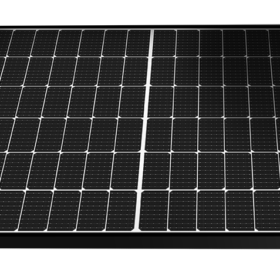
Huasun claims 23.96% efficiency, 744.4 W output for heterojunction solar panel
The Chinese manufacturer said TÜV SÜD confirmed the results. It launched the G12 series of heterojunction solar modules, with a focus on utility-scale projects, in the second half of 2022.
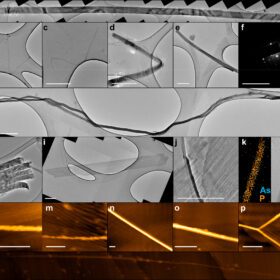
Phosphorus-arsenic nanoribbons may improve solar cell performance
UK researchers have developed ultra-thin nanoribbons, just 1 atom thick, by combining phosphorus and arsenic alloys. The nanoribbons offer excellent conductivity, even at temperatures exceeding -143.15 C, and have the potential to enhance charge flow in solar cells.

Sunmaxx builds 50 MW PV-thermal solar module factory in Germany
Sunmaxx PVT, a photovoltaic-thermal solar module specialist, has started building an automated 50 MW module factory near Dresden, Germany.
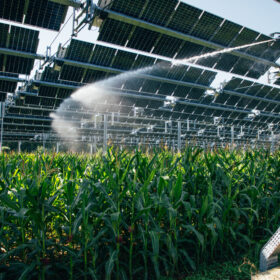
French developer builds agrivoltaics facility with irrigation system
TSE has installed a 2.9 MW agrivoltaics plant in northern France with sensors to trigger an irrigation system. The irrigation setup can reportedly achieve significant water savings. The company is selling the electricity under a 20-year power purchase agreement (PPA).
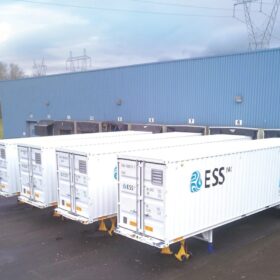
Honeywell invests in US iron flow battery specialist ESS
Honeywell purchased $27.5 million in ESS common stock and intends to purchase $300 million in ESS product, with $15 million prepaid. The collaboration enables Honeywell to integrate ESS technology into its global offering, and ESS gains license to Honeywell’s flow battery intellectual property.
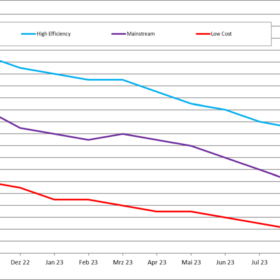
Solar module price falling, with no end in sight
Solar module prices have never fallen so sharply in such a short period of time. One reason for this is the “PV module glut” in warehouses in Europe, according to pvXchange’s Martin Schachinger.
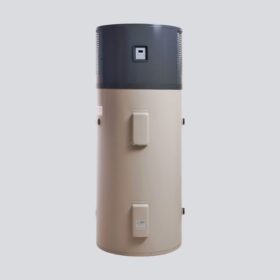
Rinnai launches hot water heat pump for residential applications
The new heat pump can purportedly provide hot water at a temperature of up to 70 C. It is specifically designed for climatic conditions with temperatures ranging from -10 C to 42 C, as well as coastal locations.
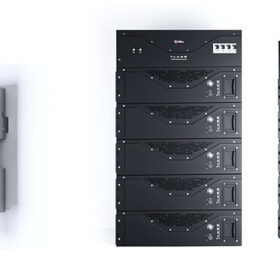
Riello Solartech unveils hybrid inverters for rooftop PV
Riello Solartech has developed new hybrid inverters for rooftop PV, designed for commercial and industrial applications The Italian manufacturer says they have a European efficiency rating of roughly 98%.
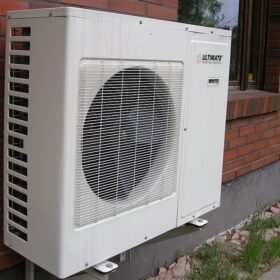
Heat pump adoption in Canada
The Canadian Climate Institute has released a report that explains how to unlock lower-cost heating and cooling in Canada. It outlines barriers to adoption and makes recommendations to streamline the loan and grant application process.
