
India’s NTPC launches tender for 1.15 GW of solar projects in Cuba
The Indian energy company will also accept bids for a storage capacity of 150 MW/150 MWh.

PPA prices in Europe decreased by 11% in June
The rise in gas and electricity prices was not reflected in PPA prices in June. The war in Ukraine continues to prevent the signing of PPAs and has caused prices to rise in most European markets, with Pexapark’s Pexa EURO index posting an overall decline of 11.3% month-on-month for June.
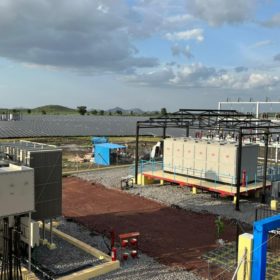
Rays Power switches on 50 MW solar plant in India
The Rajasthan-headquartered solar developer has commissioned a 50 MW (AC) solar plant in the village of Bennur, in Karnataka’s Belgaum district. The project uses 455 Wp to 595 Wp mono PERC monofacial PV modules.

UK startup develops high-temperature heat pump that produces steam from waste heat
FutraHeat has designed a heat pump that can operate at reduced speeds without oil, recover waste heat from as low as 70 C, and deliver high-grade heat up to 150 C. The electrically powered heat pump utilizes waste heat from all sorts of industrial processes, including drying, distillation, and brewing.
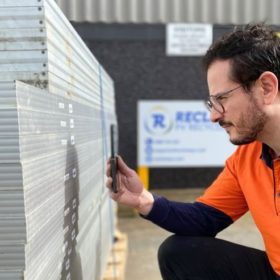
Maxeon partners with Reclaim PV to save panels from landfill in Australia
Solar manufacturer Maxeon Solar Technologies has teamed with Adelaide-headquartered solar panel collection and recycling company Reclaim PV Recycling to recover and recycle SunPower branded solar panels in Australia.

Enphase delivers robust Q2 revenues backed by its IQ8 solar microinverter
The US micro-inverter manufacturer issued strong guidance for Q3 as its revenues and earnings per share beat estimates.

Solar-powered electric lawn mowing
Perhaps in anticipation of California’s coming ban on small combustion engines, battery-powered electric lawn mowers have begun to appear in the market. At least one model is equipped with built-in solar power.

South Africa to allocate 5.2 GW of renewables in sixth REIPPPP round
President Ramaphosa’s speech this week included momentous plans for new solar and battery procurement as well as efforts to cut licensing and permitting delays as national utility Eskom scrambles to reduce the scale of black-outs.
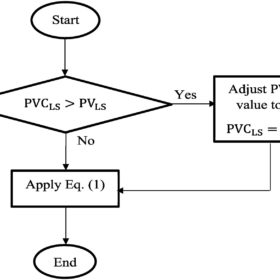
The PV cooler lifespan effectiveness factor
Researchers in Malaysia have defined a new parameter to evaluate solar module cooling techniques based on their lifespan effectiveness. They warned that the proposed methodology should be utilized only with standard test conditions, a temperature of 25 C, and a reference PV system without the cooling system.

Solar support in hazardous locations
In some of the world’s most hazardous locations, a resilient and autonomous common denominator is often found – solar energy. From offshore oil rigs to remote mine sites and the frontlines of conflict zones, solar power functions where others fail, and it does so without the need of refuelling or regular maintenance. But what makes solar such a ‘no-brainer’ that even the oil and gas industry must turn to it? And what other hazardous locations can be electrified with solar? Blake Matich reports.
