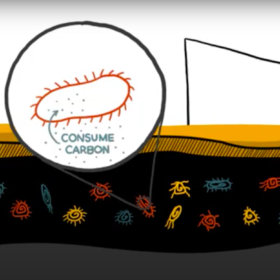
The Hydrogen Stream: Biotech startup targets hydrogen production from depleted wells at $1/kg
Cemvita claims it can produce hydrogen at the “lowest possible cost,” Deutsche Bahn and Fortescue Future Industries have announced plans to jointly modify diesel engines for locomotives, and the Canadian province of Alberta has started promoting its hydrogen potential in Japan.
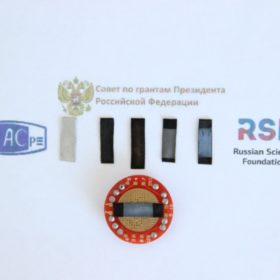
Heterojunction solar cell based on new black silicon achieves 7.5% efficiency
Russian researchers have developed a heterojunction device based on a new wide-band black material called “black silicide.” The cell has averaged reflection (AVR) of 15% in the spectral range of 200 nanometers to 1,800 nm and purportedly can reach an efficiency of 10%.

Puerto Rico launches tender for 1 GW of renewables, 500 MW of storage
Puerto Rico’s latest procurement exercise is the second round of a tender scheme designed to allocate 3.75 GW of renewablesd capacity and 1.5 GW of storage.

Germany deployed 640 MW of PV in August
Germany’s newly installed PV capacity hit 4.8 GW in the first eight months of this year, from just 3.6 GW in the same period of 2021.
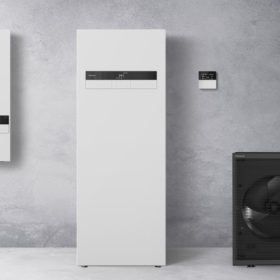
Panasonic brings air-to-water heat pumps to Europe
Panasonic’s new heat pump can supply domestic hot water, heating and cooling from a single, integrated unit. It can also synchronize with the Japanese company’s PV panels and its CZ-NS4P technology printed circuit board technology, while also ensuring smart-grid compatibility.
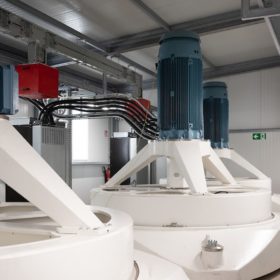
Dutch startup stabilizes Netherlands’ grid with 9 MWh battery-flywheel storage facility
S4 Energy and ABB recently installed a hybrid battery-flywheel storage facility in the Netherlands. The project features a 10 MW battery system and a 3 MW flywheel system and can reportedly offer a levelized cost of storage ranging between €0.020 ($0.020)/kWh and €0.12/kWh.
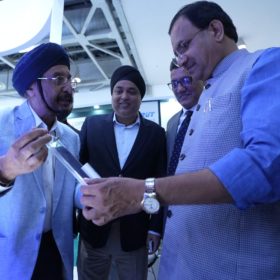
Premier Energies unveils India’s first M10 bifacial solar cell
Premier Energies has become India’s first solar manufacturer to develop a bifacial monocrystalline silicon PERC solar cell based on the 182 mm format. The cell has an efficiency rating of up to 23.2%.
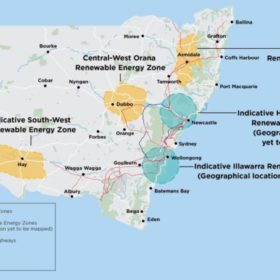
Australian state of New South Wales launches renewables tender
New South Wales has launched the first in a series of rolling tenders, as part of the Australian state’s plans to develop 12 GW of renewables and 2 GW of storage by 2030.
RWE to acquire Con Edison’s clean energy business
RWE has agreed to buy Con Edison’s renewables business for $6.8 billion. The combined portfolio almost doubles RWE’s operating assets in the United States to 7.2 GW, making it the fourth-largest renewables company and the second-largest US solar operator.

How long do residential energy storage batteries last?
Multiple factors can affect the lifespans of residential battery energy storage systems.
