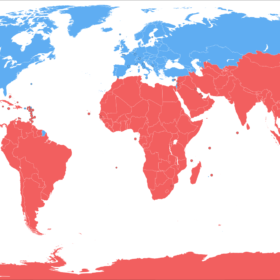
The Global South’s solar e-waste problem
An international research group has examined the structural barriers to addressing the solar e-waste problem in the Global South. They argue that the focus should be on repairing devices, rather than recycling them.
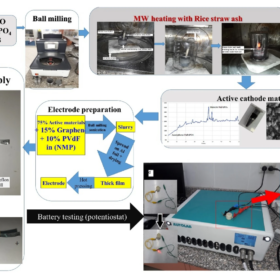
Ultra-fast synthesis of nanocomposites for sodium ion batteries, supercapacitors
Researchers in Egypt have developed a synthesis method that uses the high microwave absorbance of silicon carbide content in rice straw ash and takes just 60 seconds to produce sodium iron phosphates-carbon nanocomposites (NaFePO4-C), which can be used as sodium ion battery cathodes and as symmetric supercapacitors.
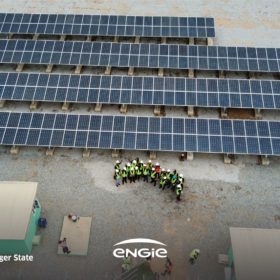
Engie, CBEA to build $60 million of minigrid projects in Nigeria
CrossBoundary EnergyAccess Nigeria has committed to invest $60 million in minigrid projects developed by Engie, in the largest such transaction in Africa. The projects will connect more than 150,000 people to electricity for the first time.

Morningstar unveils DC/AC inverters for off-grid applications
US-based solar controller producer Morningstar has launched a new line of off-grid inverters, featuring six models ranging from 150 W to 2,500 W. Production and deliveries are scheduled to start this year.

Portugal might add 2.57 GW of new solar by end 2023
The Portuguese government has announced a national energy-saving plan for the 2022-23 period. It expects to add 1,140 MW of new solar by the end of this year.
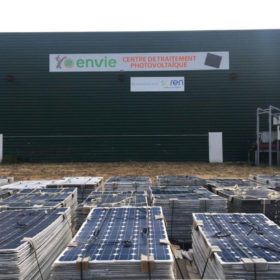
French consortium commissions solar module recycling facility
Soren and Envie 2E Aquitaine have inaugurated a new solar module recycling facility in Saint-Loubès, France.

H2X launches Warrego hydrogen-powered pickup truck
Australian startup H2X is finally launching its hydrogen-powered Warrego pickup truck, following the announcement of the fuel cell electric vehicle (FCEV) last year. It is now undergoing final validation and verification and will likely hit the market within nine months, according to the company.
Adani Green commissions world’s largest wind-solar hybrid plant in India
Adani Green’s newest project includes 600 MW of solar and 150 MW of wind capacity in the Indian state of Rajasthan. It will sell the electricity to Solar Energy Corp. of India under a 25-year power purchase agreement at a rate of INR 2.69 ($0.033)/kWh.
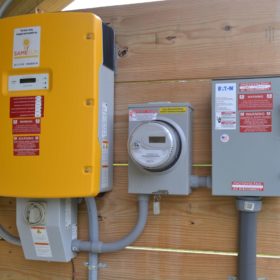
How long do residential solar inverters last?
Multiple factors can affect the productive lifespan of a residential solar inverter. We take a look at solar inverters in the second part of our ongoing series.
The weekend read: Real barriers to virtual power plants
The technology is available for virtual power plants to be rolled out across the United States, argues Jigar Shah, the director of the Department of Energy’s Loan Programs Office. Their implementation would result in a cascade of benefits, including extending the adoption of distributed energy resources like rooftop PV and lowering electricity costs for consumers.
