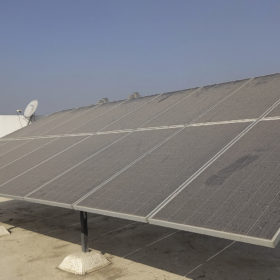
Inside the impacts of soiling
Scientists in India carried out a comprehensive study into the impacts of soiling on PV modules – measuring the amount of performance loss caused by different types of dust and bird droppings, and for modules installed at various tilt angles, in the hot-dry climate of Vellore in southern India. Their findings could allow developers to better take into account and mitigate the effects of soiling during site selection and system design.
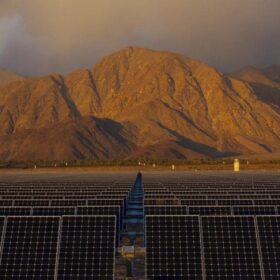
Solar-plus-storage microgrids minimize power shutoffs during wildfires
Lawrence Berkeley National Laboratory researchers have shown that microgrids equipped with solar-plus-storage systems can maintain an average levelized cost of energy (LCOE) below $0.30/kWh and limit annual public safety power shutoffs to 2% to 3% of annual energy demand.
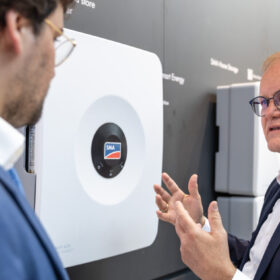
SMA unveils hybrid inverters for residential applications
SMA’s new one-phase hybrid inverters have efficiency ratings of up to 97.5% and European efficiency ratings of 96.8%. They are available in four versions, with power outputs ranging from 3.6 kW to 6 kW.
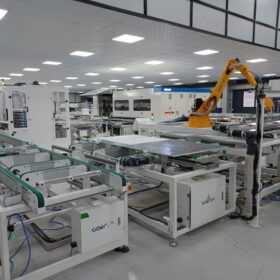
India’s Cliantech Solutions to supply 600 MW solar production line in UAE
Cliantech Solutions has agreed to supply a 600 MW, turnkey PV panel production line to Dubai-based Magnus Green Solar.
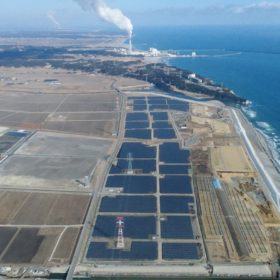
Japan’s vast wind and solar resources
To achieve its 2050 carbon neutrality commitment, Japan must eliminate greenhouse gas emissions from fossil fuels, as they comprise nearly all of its emissions. Fortunately, Japan has everything it needs to become energy self-sufficient, in the form of solar, wind, and pumped hydro energy storage.
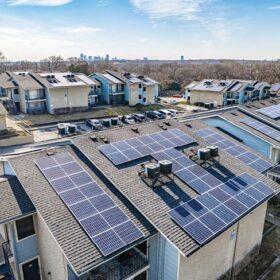
Virtual power plants roll out across the U.S.
Virtual power plants (VPPs) coordinate distributed resources and demand for a more resilient, cost-effective energy transition. And they are gaining traction in the United States.

Weekend Read: Race to the top
A flurry of clean energy announcements in the European Union this year bodes well for the expansion of renewables but there will be a race against time to get key legislation adopted before next summer’s European elections.
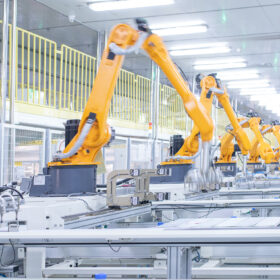
Chinese PV Industry Brief: Jinko to build 56 GW vertically integrated PV factory
JinkoSolar has announced the construction of a 56 GW vertically integrated PV factory in Shanxi province, China, while Longi has started building a 100 GW wafer and 50 GW production facility.
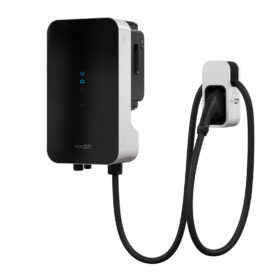
SolarEdge unveils bidirectional EV charger
SolarEdge’s new bidirectional DC-coupled electric-vehicle (EV) charger enables vehicle-to-home and vehicle-to-grid applications and can seamlessly integrate with its home energy systems. It is scheduled for release in the second half of 2024.
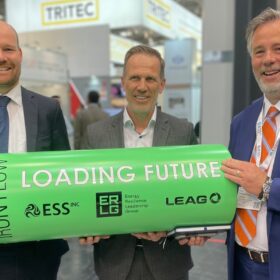
Green baseload hub to replace coal, gas generation in eastern Germany
German coal miner LEAG is planning a massive clean energy hub, comprising up to 14 GW of wind and solar energy generation paired with 2 GWh to 3 GWh of battery energy storage and 2 GW of green hydrogen production. Combined, these technologies are expected to create a net-zero baseload energy system.
