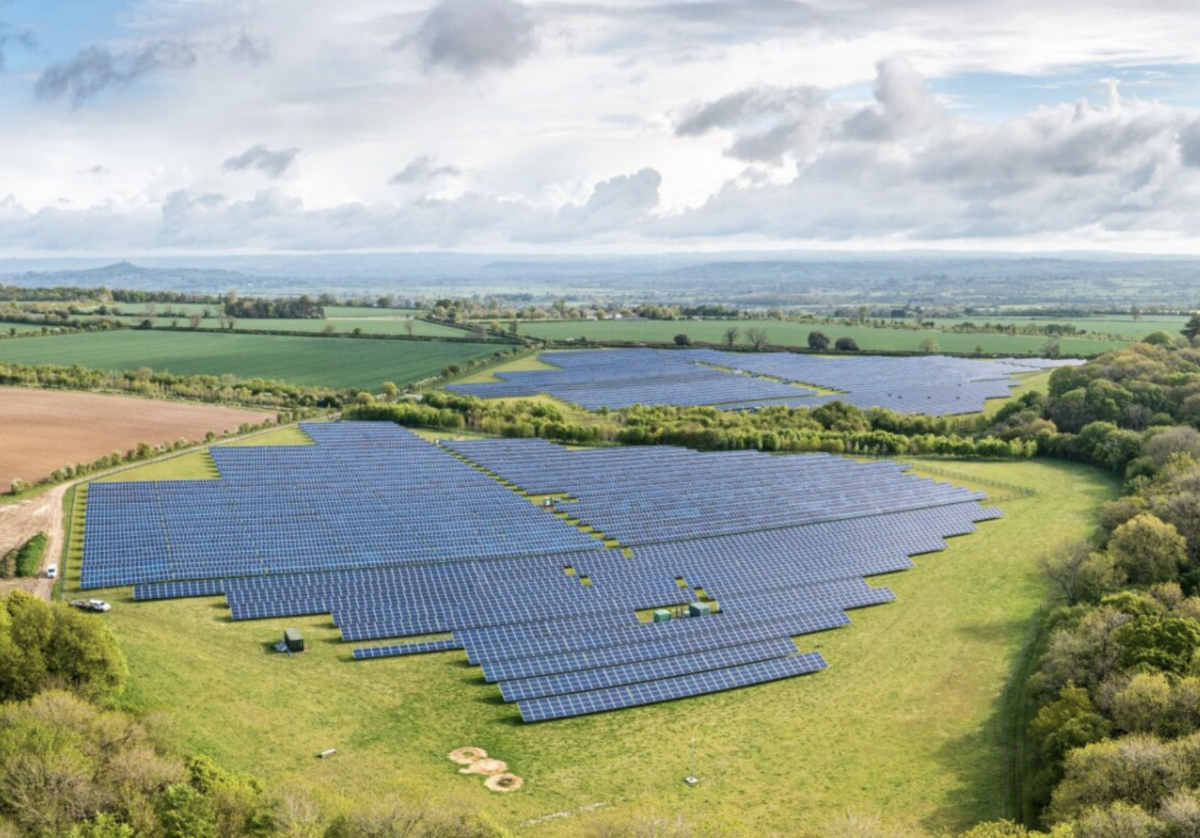





A Murdoch University researcher in Australia has determined that large-scale solar farms affect migratory routes of wildlife due to polarized light pollution, but this could be improved with nano-coated solar panels..
Research at the Harry Butler Institute, funded by Fortescue Metals Group, found that the vast, flat surfaces of solar farms resemble lakes to birds and disrupt their natural migrations.
A recent paper in Renewable and Sustainable Energy Reviews, titled “All that glitters – Review of solar facility impacts on fauna,” says that large solar arrays can confuse bat echolocation and attract them to drink, raising collision risks.
The author of the paper, Prof. Trish Fleming, said nano-coatings can alter the way light is reflected, making the panels less visually disruptive to birds.
“The reflective glare from solar panels mimics the appearance of water bodies, confusing migrating birds and leading them off course,” Fleming said. “This phenomenon, known as polarized light pollution, can also attract insects, inadvertently creating new feeding grounds for birds and bats.”
Fleming added greenhouse gas emissions (GHS) can be mitigated without sacrificing biodiversity.
“It’s not a choice between clean energy and conservation – we can have both,” Fleming said.
The study urges planners, policymakers, and developers to adopt wildlife-friendly practices and technologies to ensure that solar energy remains a truly sustainable solution.
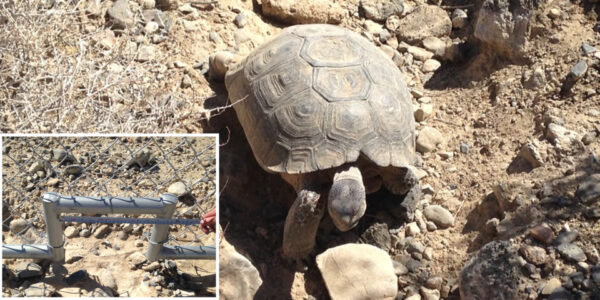
Entrapping wildlife with fencing is another issue raised by the research. While fencing is intended to protect infrastructure, it can cause injury, starvation, increased predation risk, and death for migratory species such as turtles. It can also disrupt nesting and feeding patterns.
The research cites a solar plant in the Nevada desert that preserved native plants and natural streams on-site. The facility included 30 fence openings, each 25 centimeters wide and 18 centimeters tall, to allow desert fauna—including tortoises, rattlesnakes, jackrabbits, and kit foxes—to pass freely.
The project also removed tortoises during construction and released them back into the development after the facility was completed.
Fleming said thoughtful design can reduce ecological harm.
This content is protected by copyright and may not be reused. If you want to cooperate with us and would like to reuse some of our content, please contact: editors@pv-magazine.com.

By submitting this form you agree to pv magazine using your data for the purposes of publishing your comment.
Your personal data will only be disclosed or otherwise transmitted to third parties for the purposes of spam filtering or if this is necessary for technical maintenance of the website. Any other transfer to third parties will not take place unless this is justified on the basis of applicable data protection regulations or if pv magazine is legally obliged to do so.
You may revoke this consent at any time with effect for the future, in which case your personal data will be deleted immediately. Otherwise, your data will be deleted if pv magazine has processed your request or the purpose of data storage is fulfilled.
Further information on data privacy can be found in our Data Protection Policy.