




From pv magazine USA
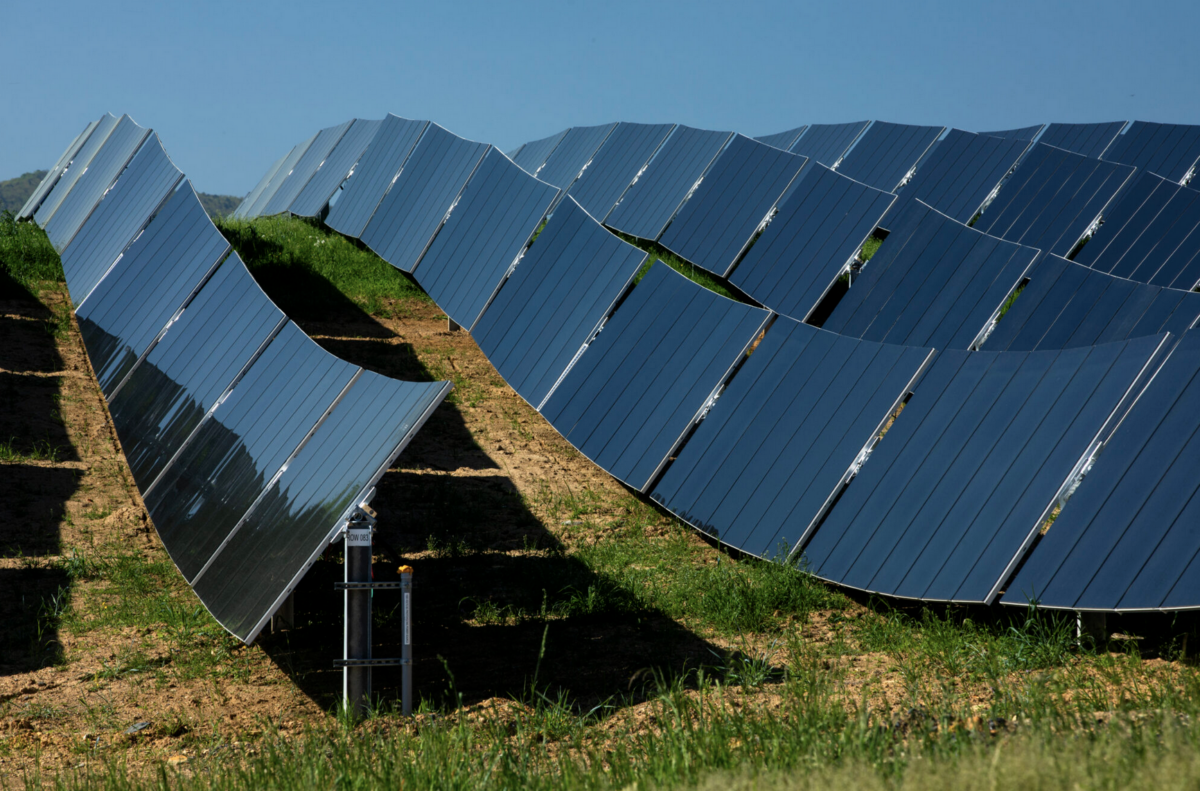
The solar industry has historically thrived on nice, flat parcels of land for project development. Viewed through a product development lens, the early “customer use case” – flat sites – shaped the product requirements for tracking technologies (favoring long, continuous torque tube designs for optimal economics) and the project design tools that supported them.
But now, the customer use case is changing – and fast.
During a recent webinar hosted by pv magazine, attendees were asked about terrain in their project pipelines. Of nearly 300 participants, a staggering 97% reported that at least a quarter of their pipeline involved challenging terrain.
It’s worth noting that this is after “challenging terrain” was defined as featuring one or both of steep slopes and undulating land, not just the gently sloping hills that the industry has become accustomed to.
With solar demand growing, the availability of flat land will only increase the percentage of terrain-challenged projects.
To continue reading, please visit our pv magazine USA website.
The views and opinions expressed in this article are the author’s own, and do not necessarily reflect those held by pv magazine.
This content is protected by copyright and may not be reused. If you want to cooperate with us and would like to reuse some of our content, please contact: editors@pv-magazine.com.


By submitting this form you agree to pv magazine using your data for the purposes of publishing your comment.
Your personal data will only be disclosed or otherwise transmitted to third parties for the purposes of spam filtering or if this is necessary for technical maintenance of the website. Any other transfer to third parties will not take place unless this is justified on the basis of applicable data protection regulations or if pv magazine is legally obliged to do so.
You may revoke this consent at any time with effect for the future, in which case your personal data will be deleted immediately. Otherwise, your data will be deleted if pv magazine has processed your request or the purpose of data storage is fulfilled.
Further information on data privacy can be found in our Data Protection Policy.