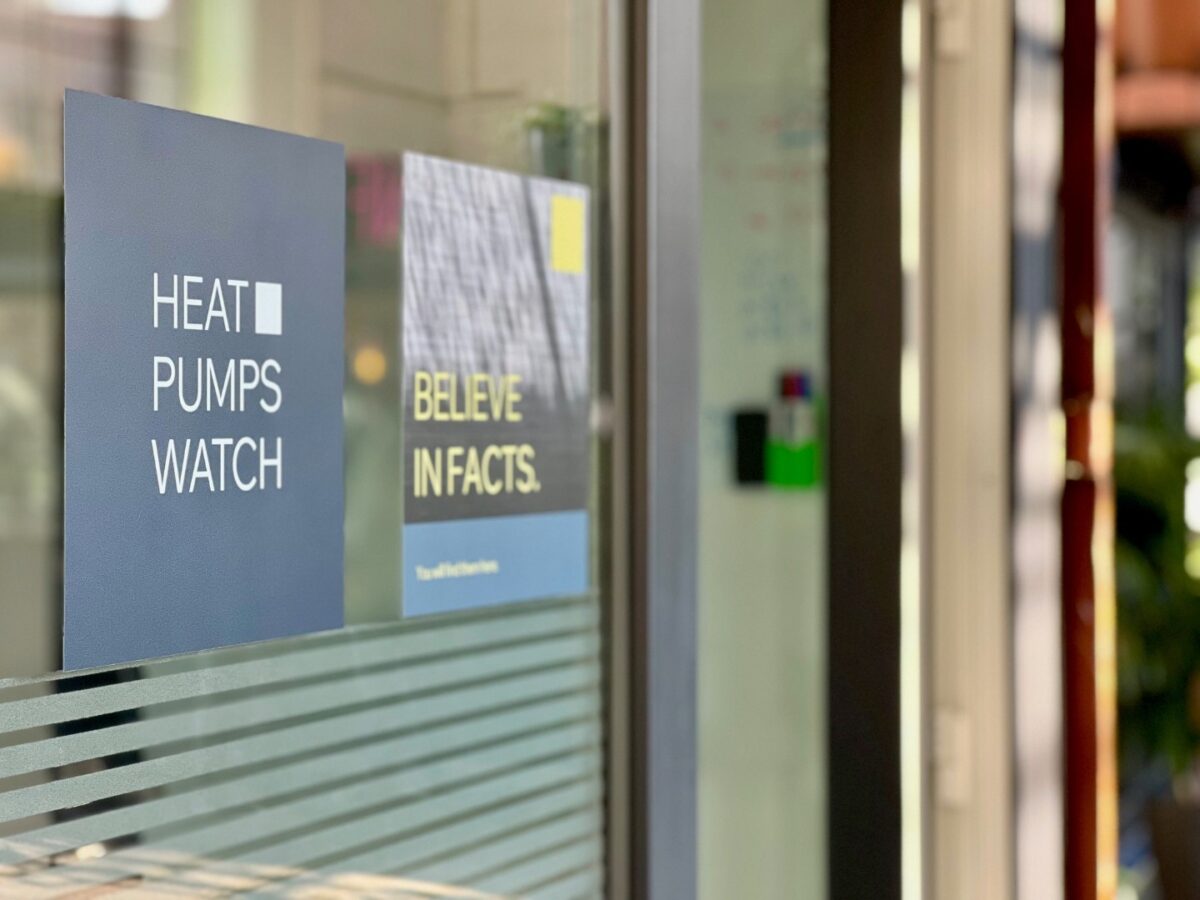





Researchers at the Fraunhofer Institution for Solar Energy Systems ISE have established a non-profit organization to collect, evaluate and present scientific findings on heat pumps.
Heat Pumps Watch is funded by the Climate Neutrality Foundation and will work to provide independent, evidence-based information on heat pumps to professionals, policy makers and homeowners considering a change to their heating systems.
According to its website, Heat Pumps Watch will operate by utilizing information from multiple sources and will remain independent from heat pump industry funding, other institutions and governments.
Its first initiative will be an 18-part series addressing the most frequently asked questions about heat pumps, covering topics ranging from heat pumps in existing buildings to possibilities for AI integration.
Marek Miara, who has been working as a scientist at Fraunhofer ISE since 2003, is the founder of the organization. He commented that the biggest obstacle to further heat pump adoption is trust in the technology and added that Heat Pumps Watch will look to remedy this with easily accessible information.
The organization is also supported by an advisory board, including Dr. Peter Schossig, Head of the Heat and Buildings Department at Fraunhofer ISE. Schossig said that electrification through heat pumps is crucial to a successful climate transition.
“Research institutions worldwide are continuously generating new insights,” Schossig added. “Heat Pumps Watch collects these and presents them in an understandable manner for various target groups.”
This content is protected by copyright and may not be reused. If you want to cooperate with us and would like to reuse some of our content, please contact: editors@pv-magazine.com.


By submitting this form you agree to pv magazine using your data for the purposes of publishing your comment.
Your personal data will only be disclosed or otherwise transmitted to third parties for the purposes of spam filtering or if this is necessary for technical maintenance of the website. Any other transfer to third parties will not take place unless this is justified on the basis of applicable data protection regulations or if pv magazine is legally obliged to do so.
You may revoke this consent at any time with effect for the future, in which case your personal data will be deleted immediately. Otherwise, your data will be deleted if pv magazine has processed your request or the purpose of data storage is fulfilled.
Further information on data privacy can be found in our Data Protection Policy.