




From pv magazine USA
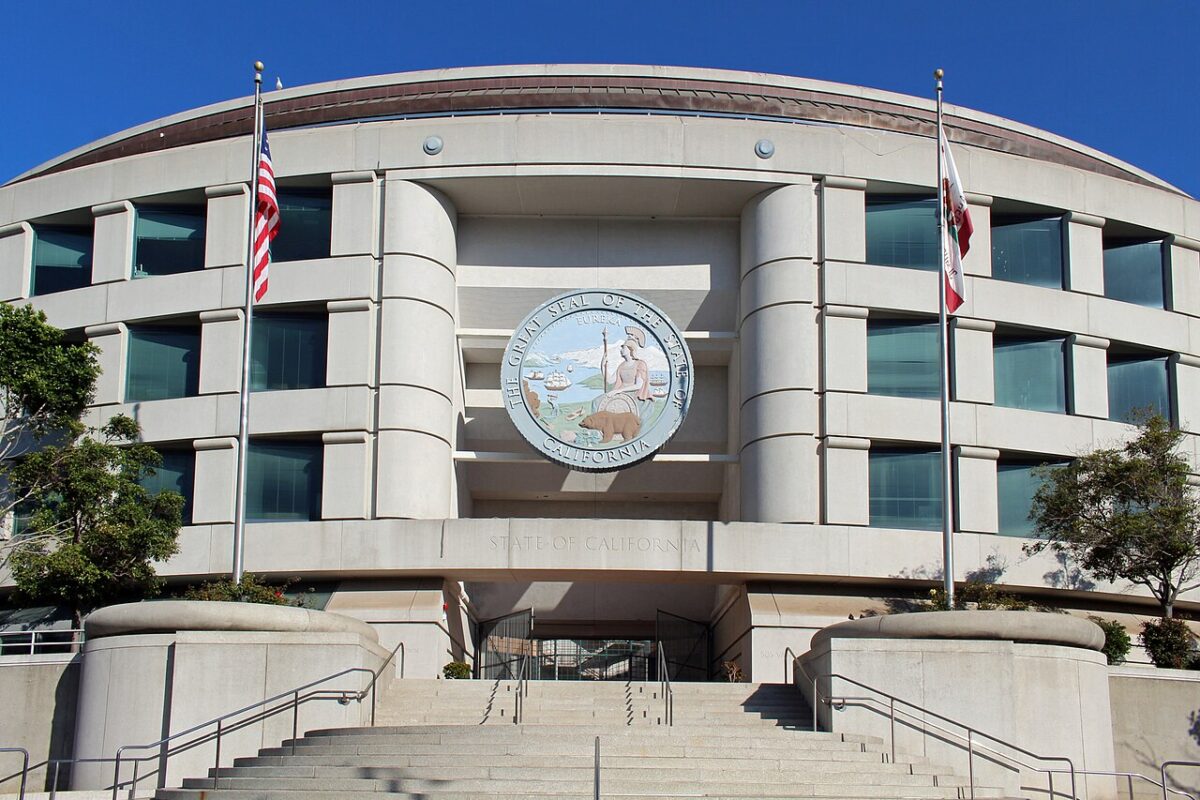
The California 1st District Court of Appeal has issued a decision on remand from the state Supreme Court, siding with the California Public Utilities Commission (CPUC) and affirming the current Net Billing Tariff (NEM 3.0) framework.
The ruling marks a major setback for rooftop solar advocates who sought to overturn the 2022 decision that sharply reduced compensation for exported solar electricity.
The case returned to the appellate court after the California Supreme Court issued an opinion in August 2025 directing a re-examination of the CPUC’s decision. The lawsuit, filed by the Environmental Working Group (EWG), the Center for Biological Diversity, and the Protect Our Communities Foundation, argued that the commission failed to follow statutory mandates to ensure the sustainable growth of the solar market.
“We are extremely disappointed in the court of appeal’s decision on remand from the state Supreme Court,” said Bernadette del Chiaro, EWG senior vice president for California. “Instead of looking at this case with fresh eyes and doing the due diligence of reading and interpreting the statute, the court of appeal rushed to judgement, siding with the pro-utility CPUC and its utility allies.
The appellate court’s decision maintains the “Net Billing Tariff,” which transitioned the market away from NEM 2.0 and cut export credits by approximately 75% to 80%. In its ruling, the court deferred to the CPUC in its assessment of the costs and benefits of distributed generation.
The court found the CPUC met the requirements of Assembly Bill 327, concluding the commission adequately addressed the “cost shift” between solar and non-solar customers.
Despite instructions from the high court to review the case with “fresh eyes,” the appellate court ultimately backed the commission’s methodology for calculating the value of rooftop solar.
The ruling suggests that “sustainable growth” does not require the commission to protect the specific profit margins or historical growth rates of the solar installation industry.
The decision was met with sharp criticism from the petitioners, who pointed to the significant contraction in the California residential solar market since NEM 3.0 took effect in April 2023. Industry data indicates a 60% to 80% drop in sales and the loss of over 17,000 jobs.
“This decision favors the corporate utilities’ profit model to build the most expensive and brittle version of the grid and making ratepayers foot the bill which only worsens the affordability crisis,” said Roger Lin, senior attorney, Center for Biological Diversity. “At a time when California needs to accelerate local renewables to combat a federal obsession with fossil fuels, this is a huge step in the wrong direction.”
The value proposition for homeowners continues to shift toward solar-plus-storage configurations and away from standalone, solar-only projects. Under NEM 3.0, battery energy storage is required to capture the value of generated electricity on-site, as the “avoided cost” rates for exporting to the grid remain at record lows.
The ruling solidifies the position of the state’s three investor-owned utilities, Pacific Gas and Electric (PG&E), Southern California Edison (SCE), and San Diego Gas & Electric (SDG&E), which have consistently argued that higher solar incentives increased the burden on lower-income ratepayers.
For installers, the solar-only business model in California is effectively over, and the market must now lean on storage integration to provide a viable return on investment.
This content is protected by copyright and may not be reused. If you want to cooperate with us and would like to reuse some of our content, please contact: editors@pv-magazine.com.



By submitting this form you agree to pv magazine using your data for the purposes of publishing your comment.
Your personal data will only be disclosed or otherwise transmitted to third parties for the purposes of spam filtering or if this is necessary for technical maintenance of the website. Any other transfer to third parties will not take place unless this is justified on the basis of applicable data protection regulations or if pv magazine is legally obliged to do so.
You may revoke this consent at any time with effect for the future, in which case your personal data will be deleted immediately. Otherwise, your data will be deleted if pv magazine has processed your request or the purpose of data storage is fulfilled.
Further information on data privacy can be found in our Data Protection Policy.