




From pv magazine India
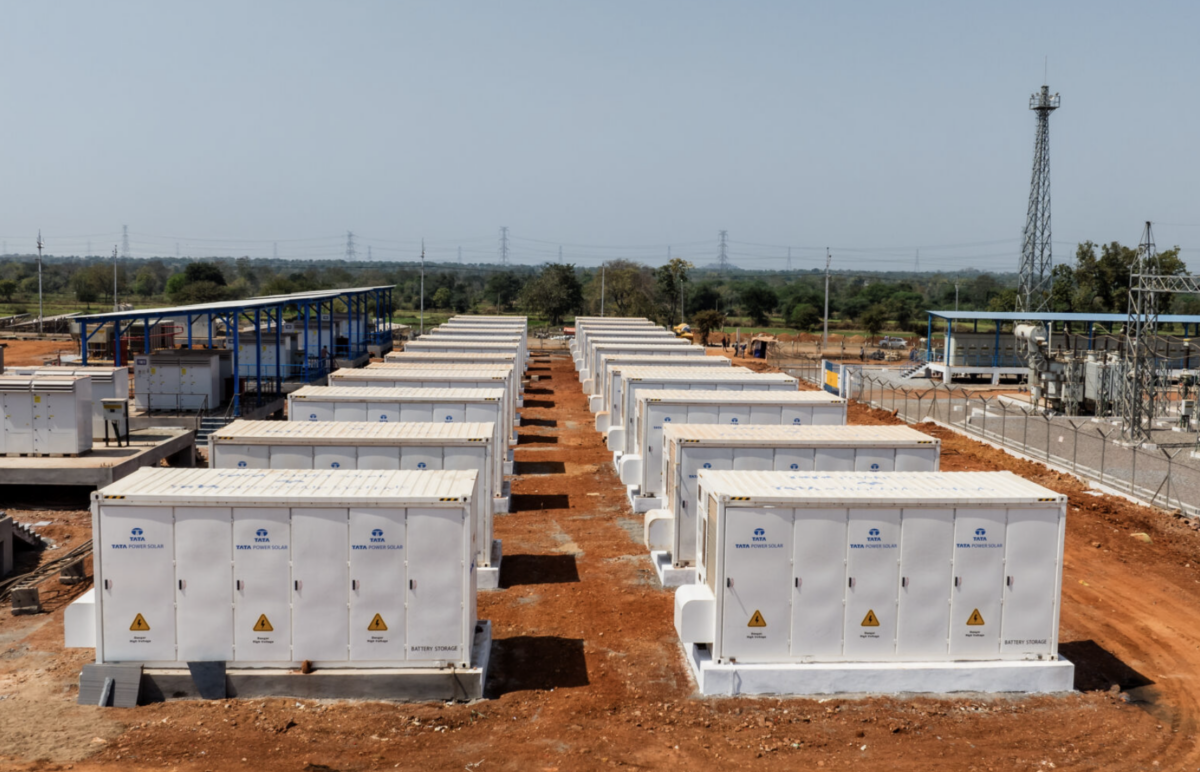
India's stationary energy storage market is expanding rapidly, with 69 new BESS tenders totaling 102 GWh launched over the past year – a 35% increase over 2024 and nearly double the annual tender volume – according to a white paper released at the recent Stationary Energy Storage India (SESI) 2026 conference. Cumulative installed capacity currently stands at less than 1 GWh, with 92 GWh of projects now in the pipeline.
The report, prepared by IESA in partnership with CES, projects installed stationary storage capacity will reach 346 GWh by 2033 under a base scenario, rising to 544 GWh if policy momentum continues. Pumped hydro energy storage (PHES) capacity is projected to grow from 7 GW in 2025 to 107 GW by 2033.
The whitepaper attributes the acceleration to policy initiatives including Energy Storage Obligations (ESO), Viability Gap Funding (VGF), formal recognition of storage in India's Electricity Amendment Rules 2025, and full waivers on interstate transmission system (ISTS) charges. These measures have strengthened investor confidence and project bankability, the report said.
S.C. Saxena, chairman and managing director of GRID India – the Indian government body responsible for grid management – said at the white paper launch that large-scale energy storage has become essential for grid resilience given demand swings of up to 90 GW. He said falling costs are driving rapid integration of battery and pumped hydro storage across the country.
Debmalya Sen, president of IESA, said the white paper provides strategic clarity needed for India to reach its target of 500 GW of non-fossil generation by 2030, with storage as the backbone of a flexible grid.
This content is protected by copyright and may not be reused. If you want to cooperate with us and would like to reuse some of our content, please contact: editors@pv-magazine.com.


By submitting this form you agree to pv magazine using your data for the purposes of publishing your comment.
Your personal data will only be disclosed or otherwise transmitted to third parties for the purposes of spam filtering or if this is necessary for technical maintenance of the website. Any other transfer to third parties will not take place unless this is justified on the basis of applicable data protection regulations or if pv magazine is legally obliged to do so.
You may revoke this consent at any time with effect for the future, in which case your personal data will be deleted immediately. Otherwise, your data will be deleted if pv magazine has processed your request or the purpose of data storage is fulfilled.
Further information on data privacy can be found in our Data Protection Policy.