




The solar and storage sectors are scaling so quickly that we simply cannot afford to waste talent. According to IRENA, women now hold around 40% of full-time jobs in solar PV, a higher share than in renewables overall and significantly above fossil fuels. In energy storage, the numbers are still lower, but growing steadily. At the same time, Europe is experiencing record growth in PV and battery energy storage systems. For me, that reality makes one thing very clear: if we want resilient and successful industries, we need teams built on diversity of thought, experience, and perspectives.
When people with different backgrounds and experiences sit around the same table, they challenge assumptions, identify blind spots, and design solutions that work not only on paper but also in the real world. That is what resilience looks like. Diverse teams are also better positioned to build trust with communities, regulators, and customers because they are closer to understanding real needs and concerns. In such a fast-moving industry, who can afford a team where everyone thinks the same way? Diversity, equity, and inclusion do not slow us down; they make us sharper.
Navigating systemic barriers
Looking back at my own career, most of the barriers I encountered were systemic rather than personal. I grew up professionally in environments where leadership was often associated with a very technical, tough, and mostly male style. Collaborative leadership approaches were sometimes perceived as “less senior,” while visibility and access to major projects were frequently shaped by informal networks.
I still remember an HR director guessing my age during a recruitment process and assuming I would soon have children. I was removed from consideration shortly after. Later in my career, I discovered I was the lowest-paid member of my team despite consistently delivering strong results, and I was also the only woman.
At the same time, one of my biggest personal challenges was impostor syndrome. For years, I over-adapted. I said yes too often and assumed that whenever something failed, I must somehow be the problem. Eventually, that mindset led me to burnout. That experience forced me to stop and reflect deeply on who I was, what kind of leader I wanted to become, and how I wanted to work with others.
Redefining leadership
Over time, I learned that credibility and trust matter far more than fitting into any “perfect leader” stereotype. Leadership is not about creating stars; it is about building high-performing teams. That requires transparency, accountability, and the ability to make fast but well-informed decisions. It also requires recognising that soft skills are just as important as technical expertise.
Years of playing handball taught me something I still apply every day: individual actions may win a match, but they never win an entire season. Sustainable success comes from diverse, generous, and well-aligned teams. That lesson has shaped my leadership style profoundly, especially in an industry that has historically celebrated the lone hero.
One of the most encouraging shifts I have seen in recent years is that we no longer recognise only one “valid” leadership style. Coaching-oriented, transparent, and people-focused leaders are increasingly respected, provided they remain decisive, coherent, and business-oriented. I also see more women reaching mid- and senior-level positions, and more transparency around promotions and appointments. Slowly, we are moving away from the old habit of recommending people who simply look and think like us.
The power of mentorship and allyship
Mentorship has played a fundamental role throughout my career. Early on, I actively sought experienced professionals who could help me build strong technical foundations. Later, coaches and HR professionals encouraged me to question my own assumptions, reconnect with my strengths, and reflect honestly on the kind of professional and person I wanted to become.
Good mentorship creates space to pause, analyse, and make intentional decisions. It has directly influenced how I negotiate, lead teams, make difficult decisions, and communicate.
I was also fortunate to experience genuine allyship early in my career. One manager in particular made a significant difference. In a team where I was the only woman, he ensured my voice was heard, prevented others from speaking over me, and even advocated for a salary increase after identifying a clear gender pay gap between me and my male peers.
That experience did not solve every challenge overnight, but it removed barriers quickly and, perhaps more importantly, made me realise for the first time that gender inequality was not abstract, it was affecting me directly.
Building inclusive and high-performing teams
Today, as a senior leader, I am fortunate to work in an organisation where inclusion is already embedded in the culture. I inherited an engineering team where women represented 44% of the workforce, which is still uncommon in this field. Beyond gender, we also embrace different personalities, soft skills, physical conditions, and perspectives.
Together with our People Operations colleagues, we actively work to identify development opportunities, training needs, and future leaders. I am also very intentional about the behaviours we reward. Ambition is welcome, but never at the expense of others. When traditional leadership styles become toxic or overly political, we address them directly.
One of the biggest challenges at executive level is moving DEI beyond slogans and making it part of real accountability: hiring decisions, promotion criteria, leadership evaluations, and budgets. People are increasingly sceptical of performative initiatives, and rightly so. Inclusion only becomes credible when it changes how organisations actually operate.
I have seen firsthand the measurable impact of diverse leadership teams. In both my current and previous roles, more diverse teams consistently improved decision quality, execution speed, engagement, and sense of belonging. My current team, which includes four nationalities, three seniority levels, and 44% women, combines strong business performance with high engagement and mutual support. That balance matters.
For organisations serious about retaining diverse talent, fairness and visibility are essential. Career progression criteria must be transparent, pay equity must be addressed openly, and managers need to have honest career conversations instead of relying solely on annual reviews. People also need meaningful stretch opportunities paired with proper support. Diverse talent will not stay where growth, recognition, and fairness exist only in presentations.
Advice for the next generation
To young women entering the renewable energy sector today, my advice is simple: stay curious, stay generous, and stay true to yourself. Learn the fundamentals of the industry, but do not wait until you feel you know everything before stepping into responsibility. Nobody in this sector knows everything — the industry moves far too quickly for that.
Look for good managers and mentors rather than superheroes. Pay close attention to culture and how people treat one another, not only to job titles. Set boundaries with toxic behaviours and do not reduce your ambitions to fit outdated stereotypes about what an engineer or a leader should look like.
The energy transition needs diverse talent, diverse leadership, and people willing to lead in ways that are both human and effective.
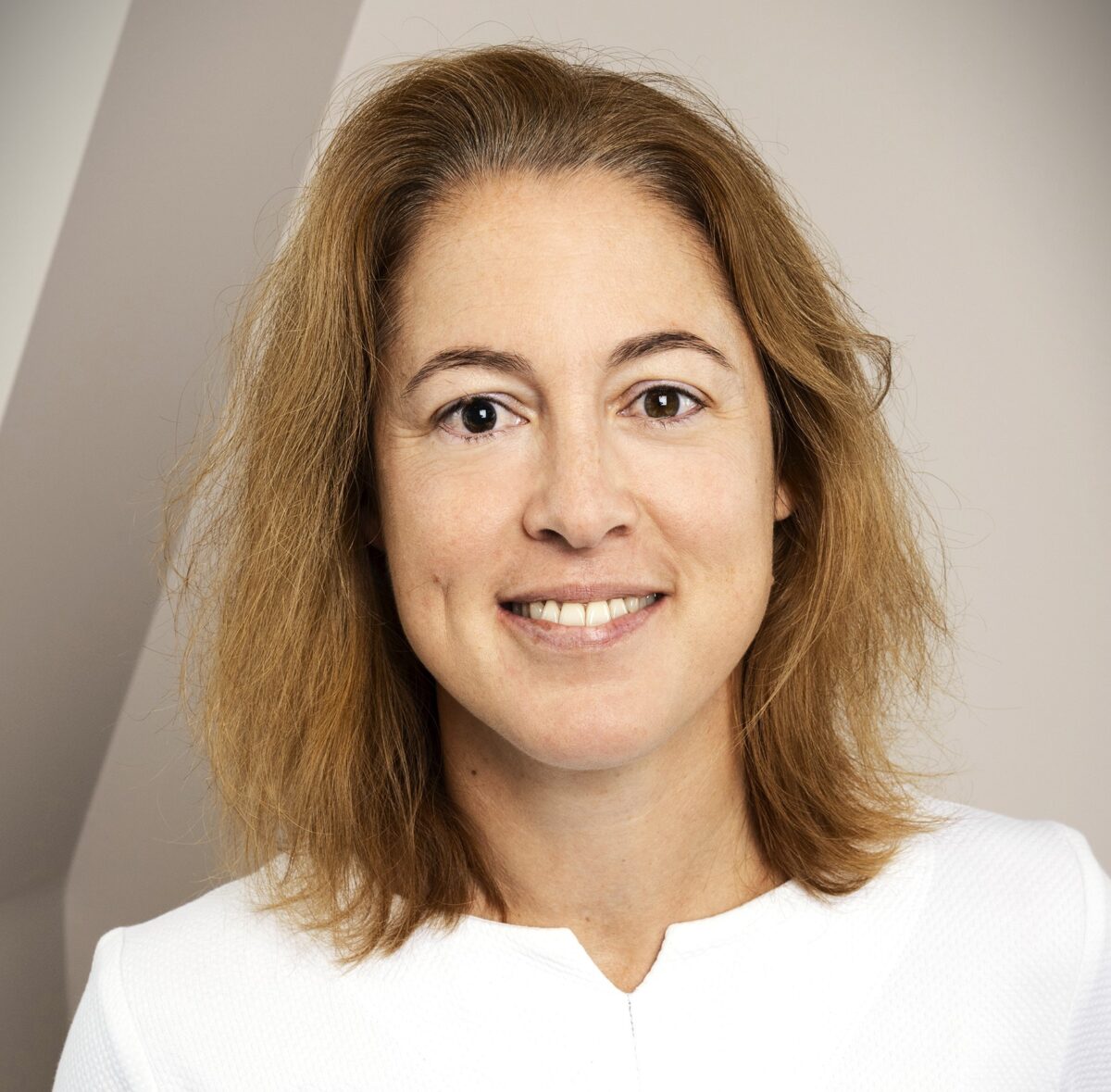
Marián Giner is Head of Engineering at Alight, with more than 19 years of experience in the renewable energy sector, especially in solar PV and energy storage. She has held technical and commercial roles at companies such as SunPower, SunEdison, Sunco, Wärtsilä and OX2, managing projects, teams and customers from development through execution across Europe, Africa, Latam and the Middle East, with over 2 GW successfully delivered and helped shape the utility‑scale PV and BESS commercial strategy in different markets. Marián combines a strong technical background with a 360‑degree understanding of the renewables business, from market dynamics to project finance and commercial strategy. She focuses on building diverse, high‑performing teams, developing new leaders and connecting technical decisions with long‑term value creation. She holds an MSc in Industrial Engineering from the Polytechnic University of Valencia and an executive program in leadership and project management from IE Business School in Madrid. Marián is currently based in Madrid, Spain.
Interested in joining Marian Giner and other women industry leaders and experts at Women in Solar+ Europe? Find out more: www.wiseu.network
The views and opinions expressed in this article are the author’s own, and do not necessarily reflect those held by pv magazine.
This content is protected by copyright and may not be reused. If you want to cooperate with us and would like to reuse some of our content, please contact: editors@pv-magazine.com.


By submitting this form you agree to pv magazine using your data for the purposes of publishing your comment.
Your personal data will only be disclosed or otherwise transmitted to third parties for the purposes of spam filtering or if this is necessary for technical maintenance of the website. Any other transfer to third parties will not take place unless this is justified on the basis of applicable data protection regulations or if pv magazine is legally obliged to do so.
You may revoke this consent at any time with effect for the future, in which case your personal data will be deleted immediately. Otherwise, your data will be deleted if pv magazine has processed your request or the purpose of data storage is fulfilled.
Further information on data privacy can be found in our Data Protection Policy.