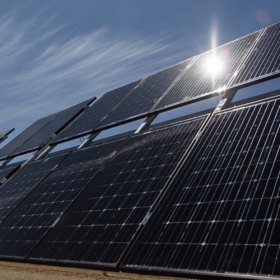
Bondada to build 170.40 MW of solar in India
Bondada Engineering plans to develop 170.40 MW of grid-connected distributed solar plants across the Indian state of Maharashtra.

Evren to invest $5 billion in 3.5 GW of solar, 5.5 GW of wind in India
Evren, a clean energy venture between Axis Energy and Brookfield, has committed $5 billion to develop 3.5 GW of solar and 5.5 GW of wind projects in the Indian state of Andhra Pradesh.
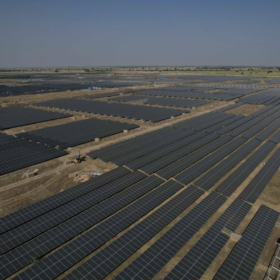
India adds 14.9 GW of solar in H1
India added 14.9 GW of new solar capacity in the six months ending June, breaking all previous half-yearly and annual PV installation records.

ABB delivers automation solutions for 10 GW of renewables in India
ABB’s programmable logic controller-based automation solutions are now catering to more than 10 GW of renewable energy plants in India, including solar, wind and battery energy storage systems.
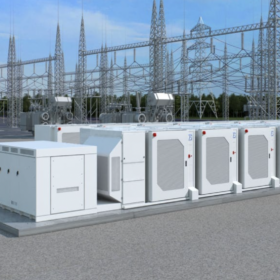
Indian utility accepting bids for 600 MWh of battery energy storage
Maharashtra State Electricity Distribution Co. Ltd. (MSEDCL) is seeking bids to build and operate 600 MWh of standalone battery energy storage systems (BESS) in the Indian state of Maharashtra. The utility plans to sign battery energy storage purchase agreements (BESPA) with the winning bidders.
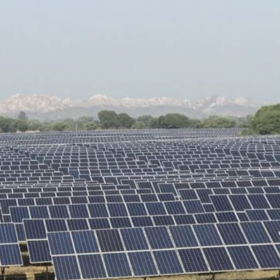
Indian state approves 450 MW solar project along expressway
The Indian state of Uttar Pradesh has approved a 450 MW solar project along a major expressway, following the completion of a detailed project report by the Global Energy Alliance for People and Planet (GEAPP).
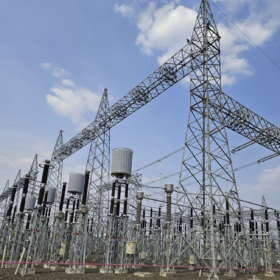
BII, Norfund to invest in IndiGrid’s green transmission projects
British International Investment (BII) and the Norwegian Climate Investment Fund (Norfund) say they will invest in three IndiGrid inter-state transmission system projects that are currently under construction in India.

Indian oil company launches 1 GW wind-solar hybrid tender
ONGC, India’s largest crude oil and natural gas company, is now accepting bids to set up 1 GW of wind-solar hybrid projects (500 MW of solar plus 500 MW of wind) for captive consumption. Bidding closes on Oct. 23.
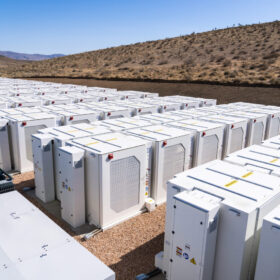
India’s renewable storage capacity to rise by 6 GW by fiscal 2028
Ratings agency Crisil expects India’s renewable energy storage capacity to surge by 6 GW by fiscal 2028, driven by a healthy pipeline.
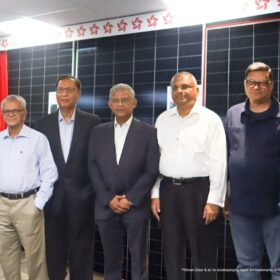
Vikram Solar unveils 20-bubar bifacial heterojunction module
Vikram Solar says its new Suryava bifacial heterojunction (HJT) module has an efficiency level above 23%.
