
Daily news round-up: Philippines could be set for 1.5 GW more solar and Tesla CEO has been dreaming of electric flight
Plus, details have been revealed of a 2 MW/2.5 MWh grid scale storage demo project in Switzerland and for a peer-to-peer renewable energy certificate marketplace in Southeast Asia.
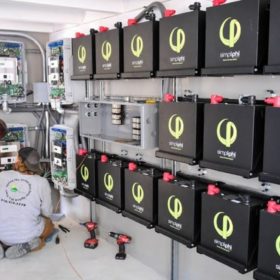
Simpliphi predicts cobalt-free battery takeover sooner than expected
pv magazine spoke with Catherine Von Burg, CEO of the Californian battery company, to discuss why she believes lithium-iron-phosphate is the chemistry of the near future.
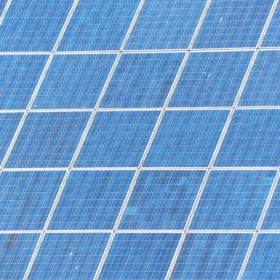
Daily news round-up: UK reveals details of next renewables auction, Iran’s first floating PV and more hydrogen
Taiwanese cell manufacturer Inventec Solar reportedly halted production this month and Ireland is preparing to remove rooftop solar panel restrictions, according to the Irish Independent.
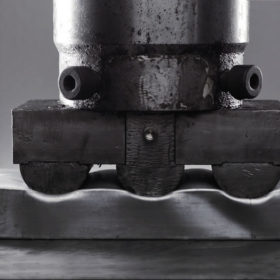
Indian coal tar company enters battery business
Epsilon Carbon has commissioned a new production facility to manufacture synthetic graphite anode materials for lithium-ion batteries. It plans to invest US$70 million over the next five years to increase the plant’s capacity to 50,000 tons.

Free batteries for low-income households to fight California blackouts
Sunrun CEO Lynn Jurich says storage is “critical for equity” – and putting more standalone storage on the grid means less electricity going through wires in wildfire-prone areas.
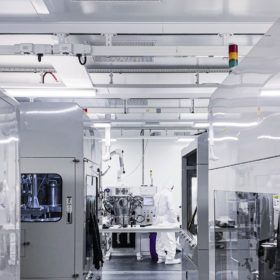
The weekend read: Coming around
Given the number of batteries (primarily lithium-ion) that are required to decarbonize the power and mobility sectors, the industry is now preparing for a mountain of battery waste. Recycling is technically feasible, but is also subject to sensitive economics. The framework in which recycling companies can achieve the best life-cycle costs for batteries needs to be carefully enabled through policy – and it will likely include a mixture of technologies and business models, in order to allow life-cycle emissions of batteries to be brought down.
How standards can ensure battery safety
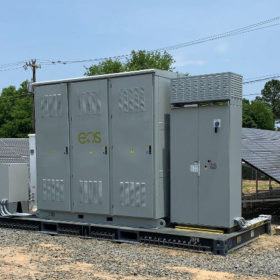
There’s no understating the importance of maintaining a safe battery system, and that maintenance will become only more important as battery adoption grows exponentially in the coming years. Fortunately, new standards are being developed alongside existing protocols to make safety management uniform and manageable.
French start-up plans 16 GWh battery factory
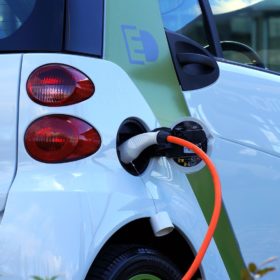
Verkor intends to set up a battery fab, with production to start in 2023. The scale could reach 50 GWh, depending on the dynamism of the stationary storage and electric vehicle markets.
Russian design for vanadium redox flow batteries
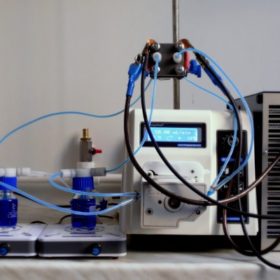
Researchers claim to have developed a cheaper, faster method of assembling the field flow plate layers of the membrane electrode assembly used in vanadium redox flow batteries, which they claim outperforms traditional components.
Strategies to improve rechargeable zinc metal batteries
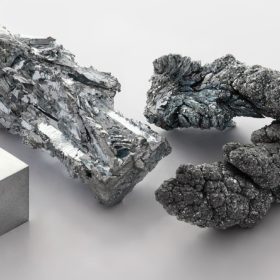
A lack of standardized protocols is preventing rechargeable zinc metal batteries from complementing lithium-ion storage tech. A U.S. research team is now calling for standardized protocols for columbic efficiencies and greater zinc/electrolyte stability to make the technology viable.
