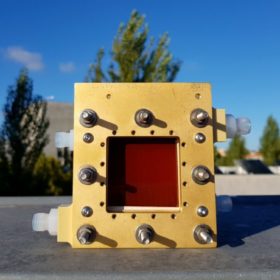
Straight to storage via solar integrated batteries
Scientists in China evaluated the prospects for various approaches to integrating both solar generation and energy storage in a single device. Their work outlines several ways this could increase the efficiency of solar energy storage, and recommends that future research on this area should focus on integration of materials with the highest specific capacity for energy storage, alongside the dual function of solar energy harvesting.
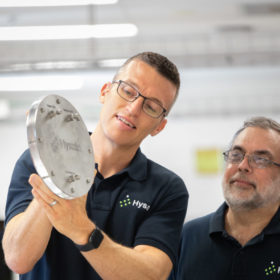
Hysata brings capillary-fed eletrolyzer tech closer to commercial production
Australian startup Hysata is seeking to commercialize a breakthrough made at the University of Wollongong which CEO Paul Barrett describes as a “brand new category of electrolyzer” with 95% system efficiency.
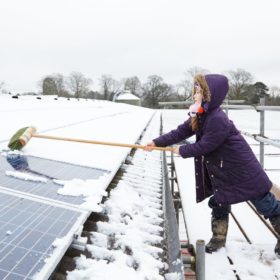
The role of seasonal demand in an all-electric scenario
Peak solar production does not coincide with peak heating demand, and a team of researchers determined that meeting this demand with renewables alone will require massive deployment of renewables on top of existing fossil generation.
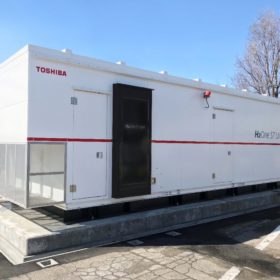
Toshiba energizes PV-powered hydrogen refueling station in Japan
The system is reportedly able to refill about eight hydrogen fuel cell vehicles, each in three minutes. It is also able to supply electric power by using hydrogen produced with renewable energy within the station.

Storing renewables in soil mounds via water balloons
Scientists in Denmark have developed a storage technology that utilizes large underground water balloons and the pressure of the soil to activate a turbine to generate power. They are currently building a first 10 m x 10 m demonstrator to select critical technologies related to the membrane and to the construction of the “movable hill” that will form the terrain part of the battery.
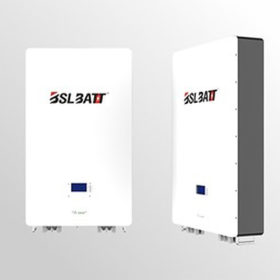
New residential lithium-ion battery from China
Chinese manufacturer Bslbatt has unveiled an upgraded version of its residential battery. The device has a storage capacity ranging from 5.12 to 12.8 kWh and is reportedly able to provide steady operation for up to 6,000 charge cycles.

The Hydrogen Stream: $8 billion green hydrogen facility near the Suez Canal
Egypt is taking several steps to support renewable and hydrogen projects, aiming to produce 42% of its electricity from renewable sources by 2030. Meanwhile, a team of researchers led by UCLA developed a method for predicting platinum alloys’ potency and stability; Iberdrola and bp are working on strategic collaboration, including large-scale green hydrogen production hubs in Spain, Portugal and the UK.
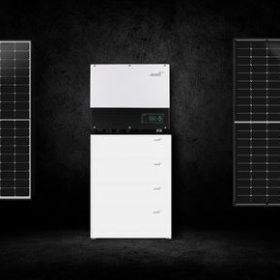
JinkoSolar unveils battery system for Australian residential market
Having established a strong foothold in the Australian market with its solar PV panels, Chinese manufacturer JinkoSolar is now seeking to expand its influence in the energy storage space with the launch of its modular Suntank home battery storage system.
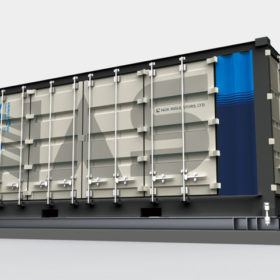
NGK Insulators links 200 kW/1,200 kWh NAS battery to 2.6 MW rooftop solar array at Japanese factory
Both the battery and the PV system are due to begin commercial operations in 2024.

India’s NTPC launches tender for 1.15 GW of solar projects in Cuba
The Indian energy company will also accept bids for a storage capacity of 150 MW/150 MWh.
