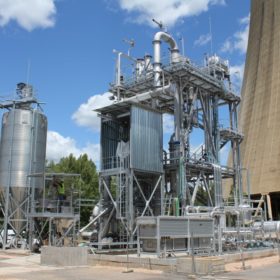
Spanish energy providers want to couple 400 MW of PV with 60 MW electrolyzer
Enagas and Naturgy are planning to build Spain’s largest green hydrogen plant. The facility will be located at a thermal power plant that Naturgy shuttered last year.
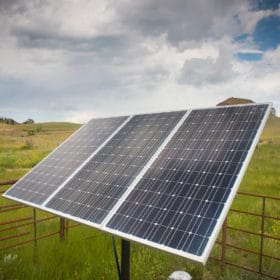
Optimal sizing for solar water pumps
Researchers in Malaysia have proposed a new approach for optimal sizing of solar water pumps. Their method consists of using a single PV module, a charge controller, several batteries, and a DC load.
Italy’s Snam says 70% of pipeline system now hydrogen-ready
Italian gas infrastructure specialist Snam has announced plans to develop global hydrogen-related mobility solutions and applications. It tells pv magazine that it wants to build an “energy bridge” between Europe and North Africa.
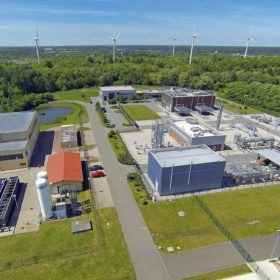
German gas provider builds cavern for hydrogen storage
The hydrogen storage cavern will be built near Berlin at a depth of around 1,000 meters and measuring 500 cubic meters. It is scheduled to go into operation in spring 2022.

Batteries and hydrogen to make residential off-grid PV technically feasible
Researchers in Finland have demonstrated the technical feasibility of an off-grid residential PV system combined with short-term battery storage and seasonal hydrogen storage. The proposed model is applicable only to northern climates, as higher levels of solar radiation in southern locations would mean a reduced need for seasonal storage. It was tested in an existing single-family house in Finland with a 21 kW rooftop array and a ground source 6 kW heat pump.

Indian Railways seeks proposals for solar+storage project
The Indian rail operator aims to set up a PV project in Dahod, Gujarat. It will be awarded via a competitive bidding process. Western Railways will serve as the off-taker for a period of 25 years.
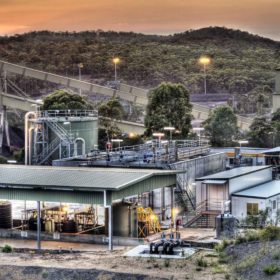
Hydro storage project pumps new life into old Australian mine
Centennial Coal has secured more than US$3.8 million in government funding to assess the feasibility of turning a coal mine near Newcastle, New South Wales, into a pumped hydro storage site that could supply 600 MW of renewables to the grid.
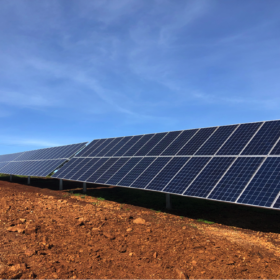
Crossboundary offers up its mini grids business model for African peers to benefit
The Kenyan financial services business has been developing rural mini grids across Africa and has announced plans to show its rivals how such networks can thrive, in a bid to accelerate access to electricity on the continent.
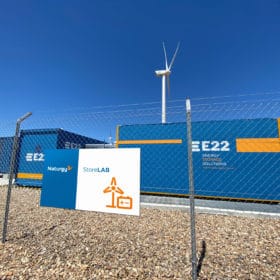
Vanadium redox flow battery goes online in Spain
Spanish storage specialist E22 said its new system can be integrated within a modular block from 250 kW to 330 kW. It purportedly has a product life above 12,000 cycles at full power.

Green hydrogen costs could plunge in India by 2030
A cost decline of more than 50% by the end of the decade could make green hydrogen cost-competitive with hydrogen from fossil fuels in certain industrial applications, such as ammonia production for fertilizers.
