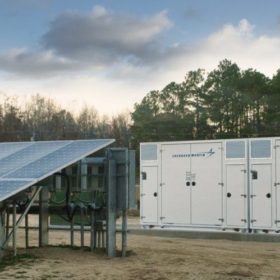
Enel moves on 13 GW pipeline, flips 6 GW of solar+storage
Enel acquired developer Tradewind Energy’s 13 GW portfolio of wind and solar+storage projects in the United States, and then immediately sold the 6 GW solar+storage portion to Macquarie.

Guinea-Bissau launches 22 MW PV tender
The tendered project is expected to provide 500,000 people with access to energy, while more than doubling the country’s total installed power generation capacity. It includes a grid-connected 20 MW solar plant in Gardete and two 1 MW hybrid solar-diesel plants in Gabu and Canchungo that will also rely on some storage capacity.
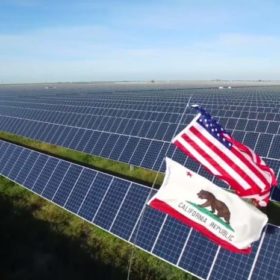
Big batteries are coming to California
Macquarie has closed on funding for a third portion of a 340 MWh project in Southern California, and LADWP is planning 1.8 GW of batteries.
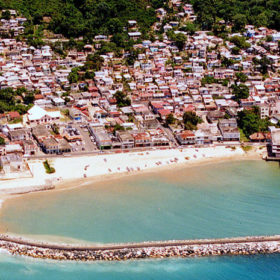
Puerto Rico to officially go 100% renewable
Senate Bill 1121 has been given final approval by the Puerto Rico legislature and is headed to the desk of Governor Ricardo Rosselló. When passed, it will make the island the fifth U.S. state-level jurisdiction to establish a 100% zero-carbon and/or renewable energy mandate.
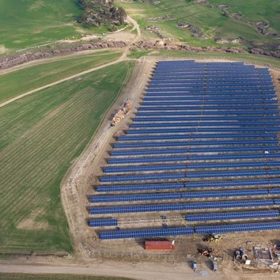
Cyprus set to install its first battery storage and blockchain systems
The University of Cyprus announced plans a few years ago to build a solar PV farm in the United Nations buffer zone in the capital city of Nicosia. The project is finally coming to fruition, but with two additional elements: battery storage and testing for a blockchain system.

Video: Energy Storage Europe
Energy Storage Europe was held in Düsseldorf from March 12-14. Our editors checked out all the latest technologies at the exhibition. Watch as they review new products and discuss the future of power-to-gas technology.
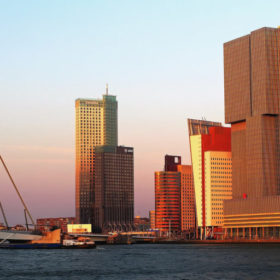
GW-scale green hydrogen destined for Rotterdam port
The Dutch Institute for Sustainable Process Technology has launched the Gigawatt Elektrolysefabriek project, which aims to produce green hydrogen at the gigawatt scale from wind and solar parks in the Netherlands.
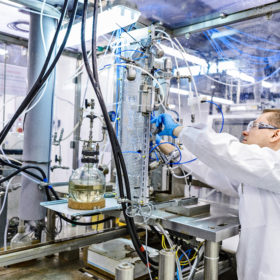
LCOE for li-ion batteries has fallen to $187/MWh — BNEF
Lithium-ion batteries are increasingly posing a competitive threat to coal- and gas-fired generating plants when paired with solar and wind projects in a number of markets throughout the world, without the need for subsidies, according to new research by BloombergNEF (BNEF).
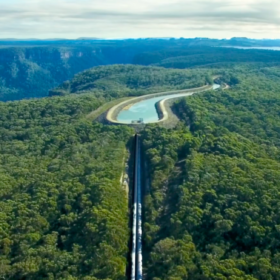
Pumped hydro to triple Australia’s storage capacity
A new study from the Australian National University shows that a series of pumped storage projects currently in the pipeline across five states could triple Australia’s storage capacity and pave the way for more solar and wind.
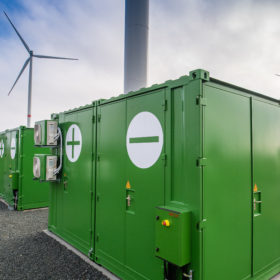
DSOs should only operate storage to a limited extent, European regulators say
According to a new report from the Council of European Energy Regulators (CEER), distribution system operators should own and operate storage systems only when market-related entities are unable to provide flexibility in accordance with energy regulations.
