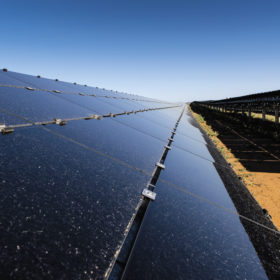
From laggard to leader: New South Wales Labor party’s election pledge for extra 7 GW of renewables
Australia’s Smart Energy Council welcomed yesterday’s launch by the NSW Labor party of a policy to drive 7 GW of renewable energy into the National Energy Market by 2030 as “the biggest rollout of renewable energy in Australia’s history”.

Pacific island nation re-tenders big solar-plus-storage project
An initial tender on Palau was won by French energy company Engie, through its unit Engie Electro Power Systems. The 100 MW microgrid project consisted of coupling 35 MW of solar and 45 MWh of storage with diesel generation.
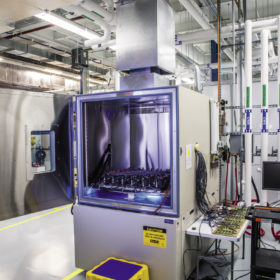
Storage Highlights Countdown #9; Keeping score of battery performance with DNV GL
The Energy Storage Europe conference is nearing and pv magazine is featuring the top ten developments in the field as our Energy Storage Highlights, selected by an independent jury of experts. Having kicked off with a hydrogen fuel cell based approach to self-sufficient living in Switzerland, we continue our ranking with DNV GL’s bid to map the vast battery storage landscape, helping buyers make decisions.
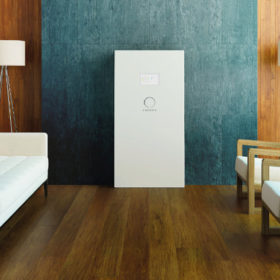
Shell moves to acquire German storage business Sonnen
In May, oil giant Shell invested in German manufacturer Sonnen. Now the 112-year-old company wants to fully acquire the business, subject to Germany’s monopoly authorities. Sonnen said it hopes the deal will accelerate its growth by expanding its market reach and capacity.
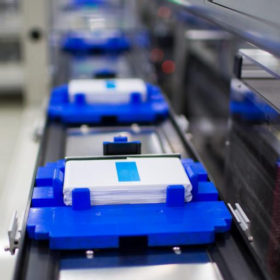
India a $50bn market for energy storage, says US energy firm chief
Given its ambitious goal of achieving 175 GW of renewable power generation capacity by 2022 – and push for electric mobility – the world’s second most populous nation presents a potentially huge investment opportunity.

US solar installations grew in 2018 despite tariffs
Clean energy analyst BloombergNEF says the U.S. installed 11.7 GWdc last year – 15% more capacity than earlier estimated – as well as 292 MW of batteries. Despite new solar and wind growth, and coal closures, however, emissions still rose from 2017 levels on the back on increased gas use.
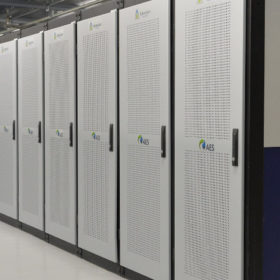
India gets first grid-scale battery energy storage system
The 10 MW system at Tata Power Delhi Distribution’s Rohini substation is said to be South Asia’s largest.

Solar, wind and storage can provide seven key grid services
Former NREL employee pens paper to rebut claims conventional energy can supply the essential grid services needed to return to normality after network disruption. The author says claims renewable energy cannot provide such services are erroneous.
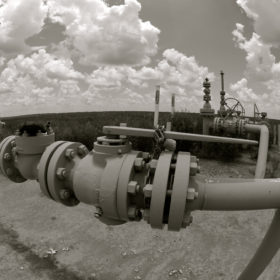
Amprion and OGE announce 100 MW power-to-gas project in Germany
The €150 million project is entering the approval phase. Using the new facility, expected by 2023, the two companies will test how electricity from renewable energy can be converted into green hydrogen and green methane via electrolysis.

New Zealand identifies 11 GW solar potential
The nation already meets well above 80% of its electricity demand from renewable energy. With e-mobility and electric industrial processes on the rise, higher demand has created new development opportunities.
