
Solar may cover 75% of global electricity demand by 2050
A new study from the Lappeenranta University of Technology predicts solar may even achieve a 69% share for total primary energy supply by the end of the first half of the century. In terms of price, solar PV is expected to achieve a capex of €246/kW-installed for utility scale projects, and of €537/kW for residential arrays by 2050. The levelized cost of energy (LCOE), however, is expected to remain constant over the next three decades, as the energy transition will also be implemented with storage technologies, increased flexibility and the production of synthetic fuels.
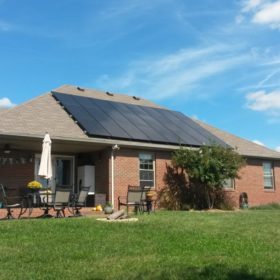
Indiana regulators slash net metering rate, advise solar owners to buy batteries
A new ruling in Indiana could extend payback periods to as long as 25 years and effectively dry up new business in the southwestern part of the US state, according to one installer.
Jolywood plans new Indonesian fab
The n-type TOPCon solar module manufacturer is preparing to invest in a joint venture with state-controlled local partner PT Len Agra Energy to set up 1 GW of annual cell and panel capacity.
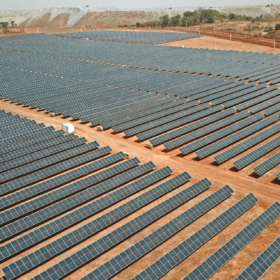
Malian gold mine powered by 30 MW/15.4 MWh of solar-plus-storage
The solar-plus-storage facility will reduce heavy fuel oil consumption by 13.1 million liters per year.

Battery storage 30% cheaper than gas peaker plants for firming renewables
The contest is over. Faster, cheaper, more flexible than gas turbines – battery energy storage must be the future peaking energy service provider of choice, according to a new paper by Australia’s Clean Energy Council.

Hair! Coming to a next-generation PV cell near you
Scientists have found that a human hair derivative can protect, stabilize and enhance the performance of perovskite solar cells.
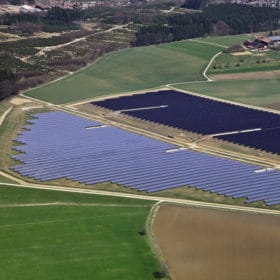
The weekend read: Should solar developers take notice of ESG criteria?
Something is brewing in the financial world. “Sustainable finance” and the growth of ESG funds have been taking the market by storm in recent years. Since most major PV projects end up needing investors from the capital market, it is only a matter of time before they will have to adapt. The beginning of March 2021 saw a milestone reached in this process.
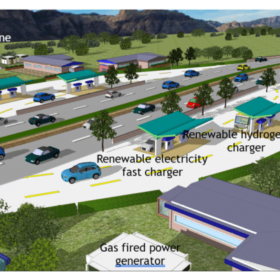
Solar powers novel green hydrogen fuel technology
A homegrown technology developed by the University of Newcastle and Southern Green Gas has seen the development of a novel green hydrogen fuel and carbon-neutral green methane. The fuel was demonstrated in Hyundai’s Nexo hydrogen fuel cell SUV in Sydney.

Saudi Arabia’s second PV tender draws world record low bid of $0.0104/kWh
The record low price was offered for the 600 MW Al Shuaiba PV IP project, which competed in the second round of the country’s procurement scheme for renewable energies.
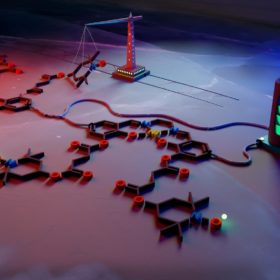
Nickel-salen for a battery that charges in 10 seconds
Scientists in Russia introduce a promising new material for battery energy storage, the product of more than three years of research. Incorporating a nickel-salen polymer into the cathode, the group demonstrated a battery that can charge and discharge ten times faster than today’s lithium-ion batteries. And though the battery still lags in terms of overall capacity, the group is confident that its discovery will lead to big improvements for lithium batteries.
