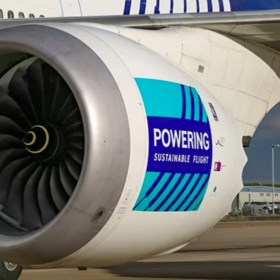
The Hydrogen Stream: Rolls-Royce opts for SAF, not hydrogen in large aircraft
Rolls-Royce has told pv magazine that it prefers sustainable aviation fuels (SAF) for large commercial flights, but it continues to invest in hydrogen for mid-size aircraft in partnership with easyJet.
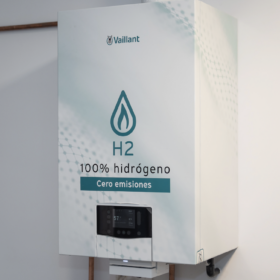
Spanish gas provider tests hydrogen-powered residential water heater tech
Madrileña Red de Gas is testing a heating system prototype developed by Germany company Vaillant that uses exclusively green hydrogen. The 25 kW system is equivalent in shape and size to a current natural gas heating system.
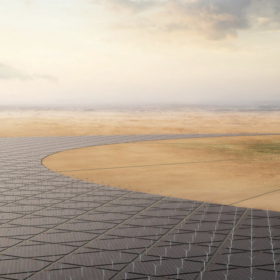
Danish developer plans massive renewables-storage-hydrogen project in Mauritania
GreenGo, a Danish developer, has unveiled plans for the Megaton Moon project in Mauritania. It will purportedly feature 60 GW of visible-from-space wind-solar capacity and 30 GW of green hydrogen capacity.
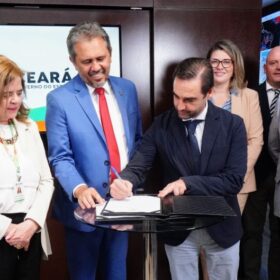
The Hydrogen Stream: Brazil reveals $3.6 billion hydrogen production plan
Brazil has announced a $3.6 billion hydrogen production plan, Adnoc has launched a green hydrogen refueling-station pilot in the United Arab Emirates, and the European Union has moved forward on the establishment of EU-wide hydrogen rules.
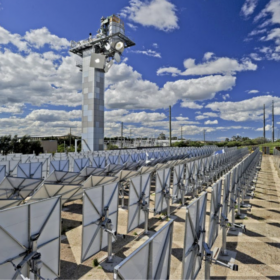
Sparc Hydrogen tests prototype photocatalytic water-splitting reactor
Sparc Hydrogen has successfully tested a green hydrogen tech prototype and is now advancing to a pilot plant study near Adelaide, Australia.
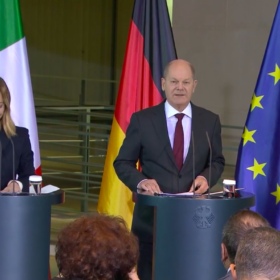
The Hydrogen Stream: Germany, Italy plan hydrogen pipeline to North Africa
Germany, in collaboration with Italy, has revealed plans to import hydrogen from Northern Africa.

War in Ukraine triggered unique phase in renewables history
Human Geographer Thilo Wiertz speaks to pv magazine on the particular features that characterized the trajectory of renewable energies after the outbreak of the war in Ukraine. He emphasized how the geopolitical tensions arising from this conflict have reshaped the political debate about the energy transition, with the energy security perspective gaining in importance.
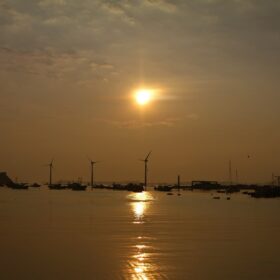
EU launches first green hydrogen auction with ceiling price of €4.50/kg
The European Union has launched its first green hydrogen auction with a maximum price of €4.50 ($4.91)/kg. The approved projects will receive subsidies for a decade, alongside revenue from hydrogen sales, and must start production within the next five years.
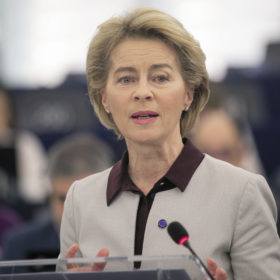
The Hydrogen Stream: EU to launch 2nd green hydrogen auction in spring
As the European Union launches the first pilot auction this week, it also announces it will double down in spring, while also supporting a collaboration with Brazil for the construction of a production facility to be used in Croatia.

Statkraft bets on mix of renewables for hydrogen production
Statkraft used actual production data from wind and solar farms in Spain to study the feasibility and bankability of hydrogen projects. For a 1 MW electrolyzer to achieve a 40% utilization rate, five times more solar capacity would be needed, it said.
