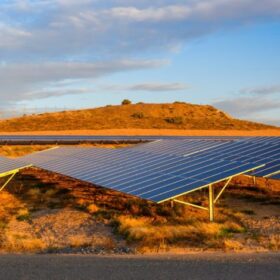
GenCost says PV, wind remain cheapest forms of electricity in Australia
The latest estimates of electricity generation costs in Australia reveal that solar and wind power are still the cheapest forms of power, even with the expense of integrating them into the grid.

Switzerland installed more than 1.5 GW of PV in 2023
Switzerland will likely reach about 6.2 GW of cumulative installed PV capacity by the end of this year, according to new figures released by Swissolar, the nation’s PV association.
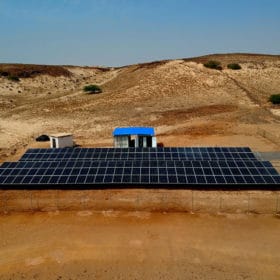
Solar PV key to transforming water, energy, food crises into a nexus opportunity
RES4Africa Foundation brings attention to the role of solar PV in addressing the water, energy and food crisis in the southern and eastern Mediterranean countries. The region is characterised by abundance of sunlight, coupled with scarce availability of agricultural land and freshwater resources to feed its fast-growing populations.

Ecostal acquires Project Zero
Belgian PV product distributor Ecostal has acquired Project Zero, a business-to-business specialist in Flanders, Belgium. It did not disclose the financial terms of the deal.

German installer Eigensonne files for insolvency
Berlin-based Eigensonne, a supplier of rooftop PV systems for purchase and rental, has filed for insolvency. However, rival supplier Calosol is offering Eigensonne’s customers the chance to install their systems at their agreed prices with equivalent components.
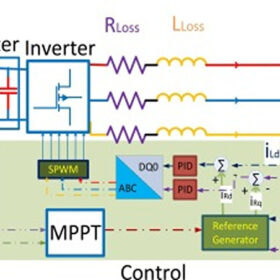
Master-slave technique for deploying parallel inverters in PV systems
Scientists in Czechia have proposed to use parallel inverters in PV systems to not only reduce instability, but also to increase power yield. The proposed approach reportedly results in higher maximum power point tracking (MPPT) performance.

Unprecedented solar and storage growth on horizon with record installations and investments in U.S.
The Inflation Reduction Act and Bipartisan Infrastructure Law mark an epochal shift in the landscape of clean energy policy, heralding a new era for the solar and energy storage sectors in the U.S.
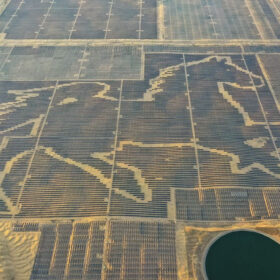
Weekend Read: Famine to feast – China’s solar market in 2023
China’s solar industry rebounded in 2023 after years of pandemic-related sluggishness. As the year draws to a close, pv magazine looks back at key highlights of 2023 and considers the prospects for 2024.
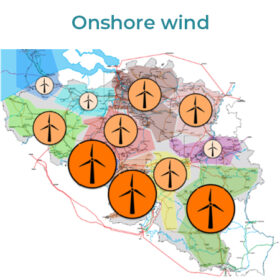
Belgian grid operator publishes grid capacity map
Belgian network operator Elia says its new grid map shows available capacity, in addition to existing and already reserved capacity. The map, which considers growth in residential load and generation, shows that there might still be enough free capacity for 3.3 GW of solar and 2.8 GW of storage.

Greece to support local energy communities with €42 million of funding
Greece aims to support the development of new, locally operated renewable energy communities with about €42 million ($45.7 million) of new funds.
