
Netherlands reports 40 PV installation accidents over past 18 months
The Netherlands Labour Authority (Nederlandse Arbeidsinspectie) has provided accident statistics related to the installation of solar energy systems. It says there have been four casualties among solar installers over the past three years.
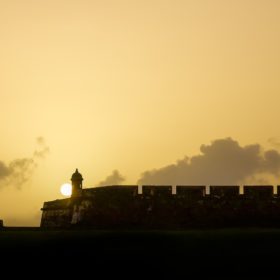
Puerto Rico could approach 40% renewables by 2025
Rapidly deploying 5.2 GW of planned solar and storage in Puerto Rico, a possibility raised in a report by six national laboratories, would require an improvement in the Puerto Rico utility’s practices. A mandated procurement process has suffered delays at many steps.

Only5mins! – ‘We are in desperate need of power’
Chanda Nxumalo, the chairperson of the South African Photovoltaic Industry Association (SAPVIA), speaks with pv magazine about the prospects of the South African energy market, its new regulations and the bright future for the PV sector. Nxumalo also addresses the challenges and opportunities for battery storage, green hydrogen and women in renewables.
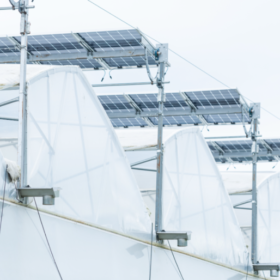
Eggplants grow 50% more under solar panels
French specialist Sun’Agri unveiled the agronomic results on a crop of eggplant grown in a greenhouse commissioned in the Lot-et-Garonne in September, 2020.
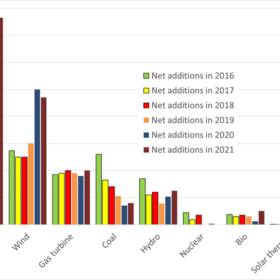
The fastest energy change in history
Solar and wind are being installed at a rate that is three times faster than all other new electricity sources combined. This offers compelling market-based evidence that PV and wind are now the most competitive and practical methods for deploying new generating capacity.

Sweden deployed 1 GW of PV in 2022
Sweden’s cumulative installed solar capacity hit 2.6 GW at the end of December.
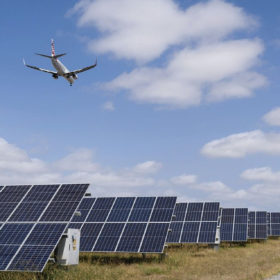
Ready for takeoff
Airport PV can provide an instant boost to emission-reduction efforts while work continues on sustainable aviation fuels. Developing solar projects at or near airports, however, is not as straightforward as typical ground-mount installations.
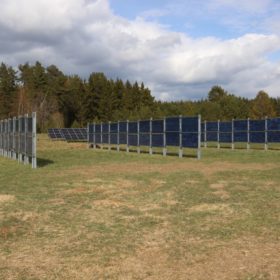
Vertical PV for clean energy and crop production
Researchers and project developers throughout the world are increasingly looking at agrivoltaic installations with vertically oriented solar panels.
Grid congestion continues to increase in Netherlands
Solar project developers see fewer opportunities to build PV facilities in the northern Netherlands, as grid bottlenecks are becoming worse.
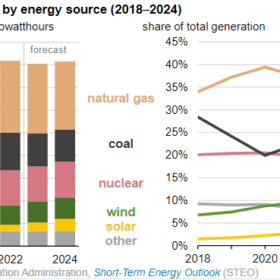
US to add 63 GW of PV by end 2024
Solar and wind generation are expected to reach 16% of the US grid’s supply this year, doubling the 2018 total, said the US Energy Information Administration (EIA). By 2024, renewables will account for more than one-quarter of electricity generation in the United States.
