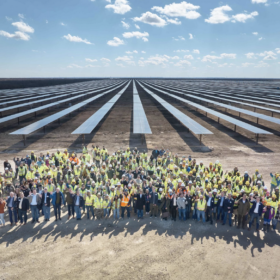
Watershed moment for Texas solar
As Texas suddenly finds itself a leader in both solar deployment and manufacturing, debate in the state legislature and US Congress could shape how much the Lone Star State once again will shape the nation’s energy trajectory.
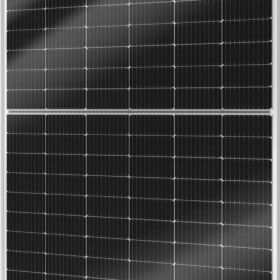
Sunport Power unveils lightweight n-type glass module with 22.5% efficiency
The Chinese manufacturer told pv magazine that high production costs and low module prices influenced its decision to change its well-known metal wrap through (MWT) technology out for mass produced n-type technology for its latest product.

Eturnity adds more PV design automation, energy system project control to its software
Additional project management and design automation tools are available on the Swiss software company’s subscription-based platform made for small and medium-sized (SME) businesses that are targeting commercial and industrial (C&I) and residential the solar PV segments.

‘Blaming renewables for Spain’s blackout is like faulting the thermometer for the fever’
The recent blackout in the Iberian grid should not be interpreted as failure of renewables. But it did provide Europe with a sign the energy system is changing, shedding light on the necessity to govern 21st-century technologies with 21st-century control systems.
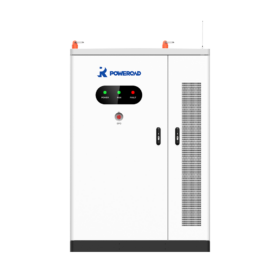
Poweroad launches 233 kWh battery for C&I solar
The Chinese manufacturer said that up to 10 battery cabinets can be connected in parallel to reach a total storage capacity of 2.33 MWh.

How to make solar module stockpiling cost-effective
Researchers investigated which solar module stockpiling conditions could help to ensure stable solar PV deployment at the lowest cost in Europe. The scientists demonstrated that stockpiling is cost-effective primarily under unfavorable import conditions.

Global PV installations may hit 655 GW this year, says SolarPower Europe
Global PV installations could reach 655 GW in 2025, up from 597 GW in 2024, according to SolarPower Europe’s latest market outlook, which puts total installed capacity at 2.2 TW.
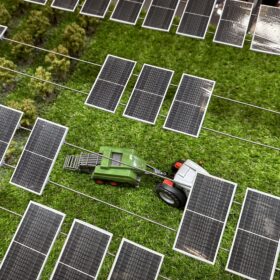
Harnessing the power of agrivoltaics: the future of sustainable land use
In its latest monthly column for pv magazine, IEA PVPS provides a comprehensive overview of the recently released edition of the “Dual Land Use for Agriculture and Solar Power Production: Overview and Performance of Agrivoltaic Systems” report. The 91-page handbook was developed by IEA PVPS Task 13.
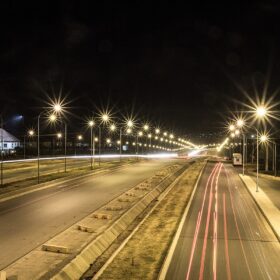
PV outperforms wind, piezoelectric energy in street lighting
Scientists in Thailand have assessed which technology between PV, wind, or piezoelectric energy is better for powering street lighting and have found solar is the winning tech, as it proved both economically and technologically feasible.
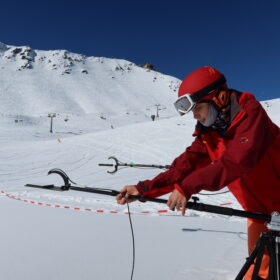
How to find optimum PV placement in mountain regions
Switzerland’s WSL Institute for Snow and Avalanche Research (SLF) is investigating how solar yield can be optimized in snow-covered terrain. It is envisaged the results will help to place PV systems on mountains so they make use of light that is reflected from neighbouring slopes.
