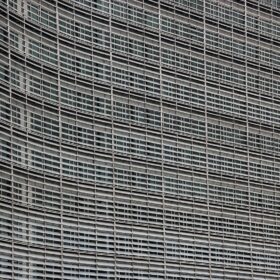
Dynamic photovoltaic blinds for glaze-façade buildings
Scientists from China have built photovoltaic blinds that can reportedly regulate thermal load, daylight penetration, and energy generation in high-rise buildings with glazed facades. Their creators claim the blinds offer superior architectural aesthetics and notable energy-saving potential.
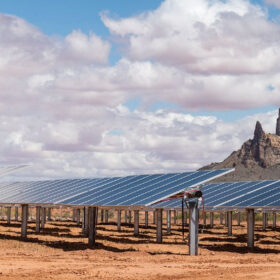
Weekend Read: Energy sovereignty
Native American lands boast serious PV potential in the United States but getting projects off the ground hasn‘t always been easy. Different tribes are willing to take power generation into their own hands and the landscape could be shifting, thanks to funding from the US Inflation Reduction Act (IRA) and other programs.
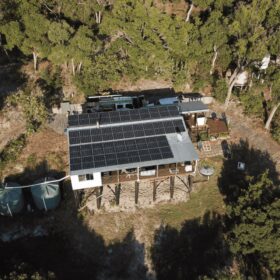
Australian off-grid project upgrade shows power of modern PV
An off-grid residential system on a secluded island in Australia has received a new tech upgrade. The additional capacity highlights the new era of off-grid living available to remote households in the country.

Dubai’s high-rise buildings perfect match for building-integrated photovoltaics
Scientists in the Middle East have simulated the use of different building-integrated PV systems on Dubai’s high-rise buildings. They found that for buildings with more than seven floors, BIPV may be superior to rooftop power generation.

The effect of height, tilt angle, and temperatures on floating PV performance
A research team studied factors influencing floating PV efficiency and energy production and determined the optimal tilt and height to achieve lower cell temperatures compared with land-based PV.
Philippines proposes register for PV system installers
The Philippines’ Department of Energy (DOE) is moving ahead with plans to require solar system installers to officially register with it. The DOE says that only registered installers will be recommended to government entities seeking PV installation services.
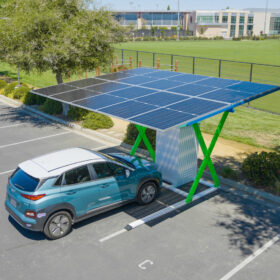
Off-grid solar EV charging system designed for quick installation
The PairTree off-grid solar charging system for electric vehicles (EVs) combines bifacial solar panels ranging from 4.6 kW to 5 kW, a 42.4 kWh capacity storage system, and one or two AC “Level 2” EV chargers.
Renewables for cultural recovery in rural communities
Spanish startup On Social 2 has proposed the creation of long-term, energy-adjacent jobs based on cultural recovery through compensatory measures in rural communities.

Photovoltaics can reduce economic poverty by 4.5% in China
Researchers assessed the effect of solar energy projects on poverty in China and determined that PV systems can play a role in reducing multiple dimensions of poverty while also contributing to environmental protection.
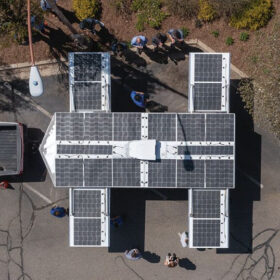
Weekend Read: Decarbonizing disaster response
Diesel generators have been the workhorse of disaster relief for decades but as the frequency of extreme weather events rises, so do calls to decarbonize the emergency response. Sustainability may not be the only benefit to using solar in a crisis, as pv magazine discovers.
