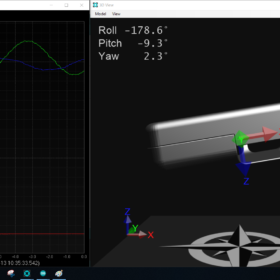
Simulation tool to measure effect of waves on offshore floating solar
Developed by scientists in Malta, the tool is said to predict yield gains or losses that waves can determine in offshore PV installations. The research group identified three movements an offshore array can be subject to, and for each of them provided specific measurements.

London developer secures backing for 500 MW of solar in the UK
Queequeg Renewables says it has formed a joint venture with an Italian private equity investor to fund the first slice of a planned 1.3 GW solar-plus-storage portfolio in Britain.

Bangladesh’s largest solar plant due online next month
The $143 million, 280-acre project in southwestern Bangladesh will have a generation capacity of 100 MW thanks to 250,000 Longi Hi-MO5 modules.
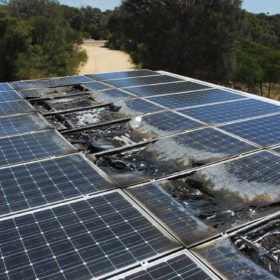
Australia removes much-criticized DC isolator mandate
Following years of lobbying, the Standards Australia Committee has removed the requirement for rooftop solar installations to include a DC isolator.
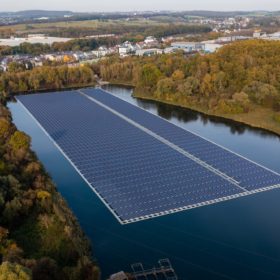
Luxembourg’s first floating PV plant is now operational
German renewable energy company Enovos and Luxembourg-based steelmaker ArcelorMittal have announced the inauguration of Luxembourg’s first floating PV plant. The facility was deployed with 25,000 solar modules on a former cooling pond owned by the steel manufacturer’s unit ArcelorMittal Differdange, which operates an electric steel plant in the homonymous municipality in Luxembourg. The project was […]

South Korea deployed 2.82 GW of solar in first nine months of 2021
In the third quarter of this year, around 677 MW of new PV systems were connected to the Korean grid, which is comparatively lower than in the same quarter a year earlier. According to local analysts, the market contraction is due to delayed permitting because of expanding siting restrictions.
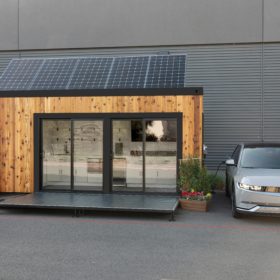
Hyundai creates platform to help homeowners buy solar panels, battery and EV charger
The one-stop marketplace platform will be launched in the US market next year. It will help homeowners find the best combination of products depending on their consumption profile.
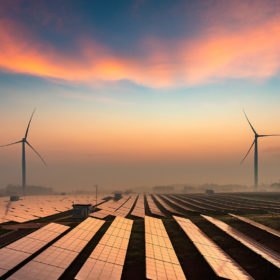
Giant green hydrogen project powered by 6 GW of off-grid solar and wind proposed for South Australia
Kallis Energy Investments is proposing a whopping 6 GW renewable hydrogen project in South Australia, with founder Terry Kallis telling pv magazine Australia the project will not seek to connect its 3 GW of planned solar and wind assets to the already congested grid.
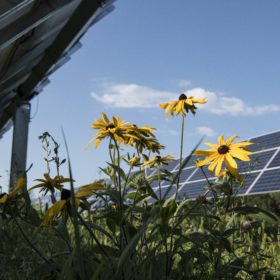
Clearinghouse to connect farmers and solar developers with agrivoltaics information
The platform was launched by the National Center for Appropriate Technology. The clearinghouse features a library of peer-reviewed information, videos, podcasts, news, and a forum for agrivoltaics discussion.
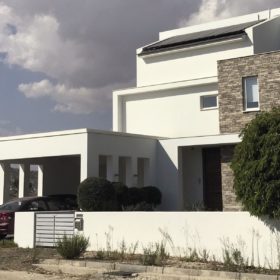
The weekend read: Building a new urban solar policy environment
Since the beginning of 2021, all new buildings constructed in the European Union must be “nearly” zero energy. This is a complex task requiring synergies among various stakeholders and technologies. Ilias Tsagas provides insight into the drivers and challenges toward this set goal, and shines a light on solar’s most significant role.
