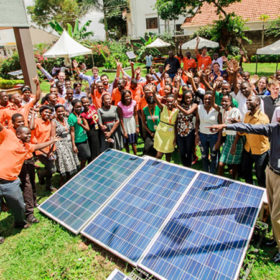
Off-grid solar changes lives – but could help many more of the world’s energy poor
A study has attempted to provide detailed analysis of the beneficial impact off-grid renewables, led by solar, are having on people in the world’s least developed countries.

Ukraine has 350 MW of solar under net metering
Around 240 MW of new installations were deployed from October 2018 to the end of September and approximately 70 MW were installed in the third quarter of last year alone, according to the responsible state body.

Enphase posts strong Q4 and massive 2019
The company is profitable and recording enormous jumps in revenue. All signs point to a strong 2020 for residential solar – which could keep the momentum going.
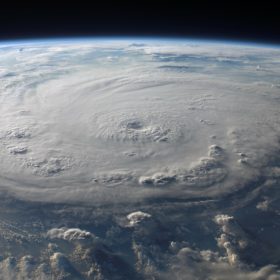
How to make rooftop PV resilient in hurricane regions
A report published by the Rocky Mountain Institute makes recommendations for rooftop PV in regions affected by high winds. The study draws on the knowledge of structural engineers asked to analyze 25 solar systems across five Caribbean islands after they were hit by major hurricanes in 2017 and last year.

India to add 34 GW of solar through 2024
Consultancy Bridge to India has looked into its crystal ball to predict India will add 10 GW of solar capacity this year and the same next year before deployment slows to 7 GW per year in 2022 and 2023, dogged by hurdles such as an inexplicable ongoing demand for new coal-fired power plants.
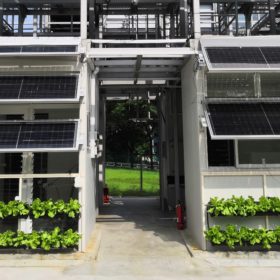
Raising crops in PV facades
An international research group has analyzed the visual impact of PV facades on buildings which include crop cultivation. Architects, PV specialists and farmers were surveyed and the results showed broad acceptance of such projects.
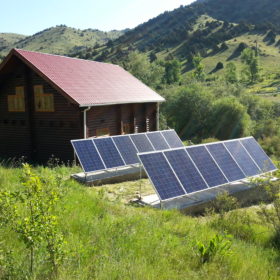
Bangladeshi government appeals for more partners to help roll-out off-grid solar
A scheme to install solar lighting and household power, as well as biogas and solar cookers and larger PV plants, has already driven deployment of more than 1.2 million systems. Now the government wants more partners to join the program.

Storage Highlights 2020 – Gigawatt Winner: sonnen
With the new decade, pv magazine brings forth yet another energy storage highlights. Approximately two weeks of work went into sifting through this year’s 22 highlights submissions, conducting research, and preparing them for the jury. Once again, this year’s work was crowned by the moderation of the jury meeting, in which six leading industry experts discussed the technologies and solutions. Differing from previous years, the jurors have selected the top five “Gigawatt” winners, followed by five “Megawatt” winners, and a series of “Finalists” which will be published in the coming weeks, leading up to Energy Storage Europe.
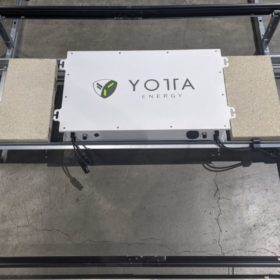
Batteries under solar modules just like microinverters and optimizers
Texan start-up Yotta Energy has a potential solution for residential solar-plus-storage. Will the micro-storage company become the next SolarEdge or Enphase or suffer the fate of JLM Energy? And whatever happened to SolPad?
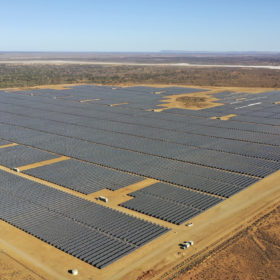
Smart Energy Council rallies industry to halt decline of Australia’s renewables market
Renewable energy developers and investors have told Australian industry body the Smart Energy Council ‘they’re done. The sovereign risk in Australia is too great,’ according to the organization’s government relations manager, Wayne Smith. With prospects, employment and energy prices in jeopardy, the trade organization has vowed to petition policymakers for a bankable plan.
