
High pressure brings solar surge to northwestern Europe
In a new weekly update for pv magazine, Solcast, a DNV company, reports that solar irradiance in the British Isles reached up to 35% above the norm during the first half of May, while The Netherlands, Belgium, and Germany each recorded irradiance levels around 25% above average.
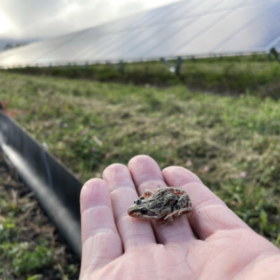
New biodiversity toolkit helps solar farm developers fast-track projects
Australia’s Thesium has launched a new product designed to help solar farm developers de-risk and accelerate their projects, which includes a credit feasibility analysis and board-ready stakeholder documentation.
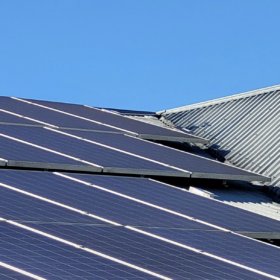
Australian solar installer convicted for false claims
An electrician in South Australia has been convicted and fined for providing false or misleading documents in the nation’s small-scale renewable energy scheme.
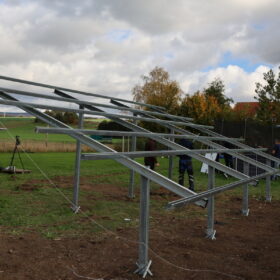
Dr. Metje Consulting launches mini backyard solar systems
DIYers can assemble the frame and modules themselves, according to the supplier. A 5.34 kW system with glass-on-glass modules from Trina Solar is available in Germany starting at €5,999.
pv magazine Homeowner Guide: Top tips and red flags to home solar
pv magazine is compiling a guide to home solar installations, aimed at those who are interested in installing but are new to the market and want to make an informed decision. We have spoken to associations, installers and industry specialists in major solar markets across the globe to compile best practice guidance and advice that aims to be applicable to home solar installations anywhere in the world. The first part of the series aims to help homeowners looking to embrace PV identify the best installers on the market.

Proposed US rule changes could alter solar supply chains
Proposed changes to US Foreign Entities of Concern rules could disqualify projects from tax credits if they fail to meet new eligibility standards.
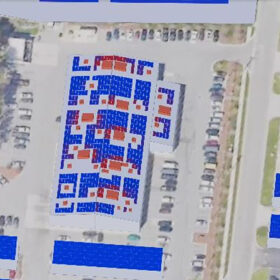
The next evolution in solar degradation, unavailability
US-based software provider Solesca presents new ways of handling PV system unavailability and solar module degradation. Engineers have a key role to play in this evolution, ensuring more accurate and reliable energy predictions for solar projects.
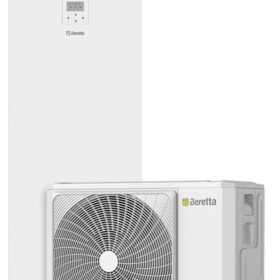
Beretta unveils residential air-to-water heat pump
The Italian manufacturer said its new R32 heat pump has a coefficient of performance of up to 5.2 and a heating capacity of up to 16 kW. It is available in either single-phase or three-phase versions.
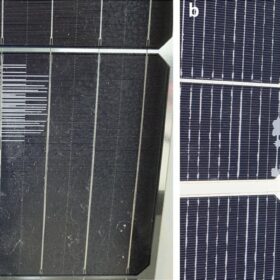
Three-year field test shows TOPCon, HJT solar module reliability in desert areas
A three-year field experiment comparing the performance and reliability of passivated emitter and rear cell (PERC), tunnel oxide passivated contact (TOPCon), and silicon heterojunction (SHJ) modules in desert climates found that HJT modules exhibited the highest degradation, while TOPCon modules showed the lowest degradation.
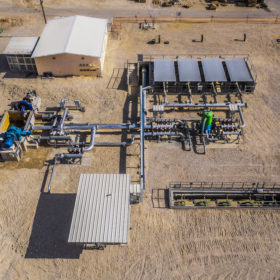
Heat pump deployment requires massive amounts of storage, finds UK researcher
Researchers in the United Kingdom found that approximately 175 TWh of hydrogen and compressed air storage capacity will be needed to fully decarbonize heating in the United Kingdom. Lead researcher Bruno Cardenas told pv magazine that, when domestic heat demand is 100% electrified, average annual electricity demand and peak load in the grid are 26% and 70% higher than current levels.
