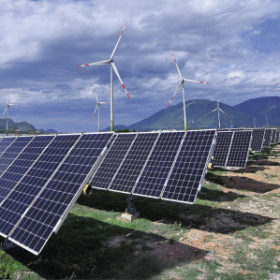
A new converter topology for hybrid wind-solar
A researcher has proposed a new approach to apply maximum power point tracking techniques to optimize electricity production in wind-solar power projects. The permanent magnetic synchronous generator hybrid model used in the study is based on a multi-input rectifier stage which is said to be able to eradicate current harmonics and eliminate the need for extra input filters.
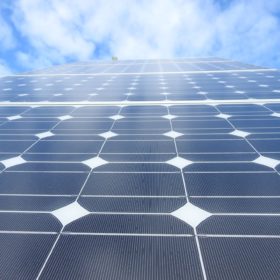
European solar manufacturer body hits out at EU focus on post-production eco labelling
The European Solar Manufacturing Council says a decision by policymakers to disregard the carbon footprint of imported solar products ‘makes absolutely no sense’. Talk of ‘jobs which require a rather low qualification’, meanwhile, is unlikely to heal the widening rift with solar project developers and panel installers.

Is India ready for solar waste mountain?
Opinion is divided over the urgency of addressing the issue. While some developers feel the 25-year lifetime of modules offers plenty of time to prepare an action plan, other industry voices claim Indian-made products don’t last half that long and one recent report pointed out waste is already piling up thanks to defects and faulty installation.

Bangladeshi industrial sector embraces leasing model for solar rooftops
The affordable public financing packages on offer for solar rooftops are attracting developers who have clients happy to lease out roofspace without any capital outlay in order to secure cheaper power.

Siemens and TIES to open battery research center in China
The facility is set to open this year and will offer battery suppliers digitalization research and manufacturing consulting. Smaller manufacturers will be able to use shared laboratories for research.

A common language for bifacial PV
This week pv magazine was in Amsterdam for the sixth edition of the BifiPV workshop, where the discussion focused on the impressive achievements made by bifacial solar modules and the challenges the technology faces as it moves toward mainstream adoption.

Rajasthan eyes 50 GW of solar within six years
The Indian state plans to achieve half the amount by 2021-22 under its new draft solar policy. The package also suggests establishing a research hub, privately financed solar parks and encouraging commercial self-consumption of clean energy.
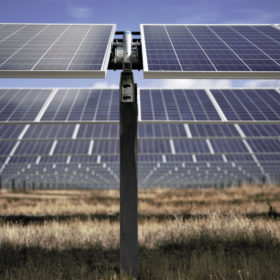
IHS Markit: Trackers to account for a third of PV installations
New analysis predicts more than 150 GW of tracker capacity will be installed in the next five years – around a third of all ground mount projects up to 2024. Rapid growth in Europe, the Middle East and Africa; and the better cost structures possible from combining trackers and bifacial modules are singled out as key trends.
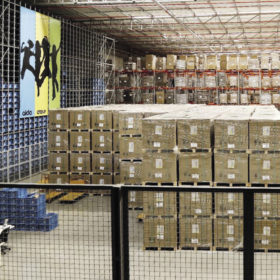
Brazil’s faltering manufacturing ambition
A binational integrated solar industry project, announced just over a year ago, aims to build a vertically integrated solar manufacturing industry along the border between Brazil and Paraguay. But the project is now on hold pending an update and reassessment by its new managers.
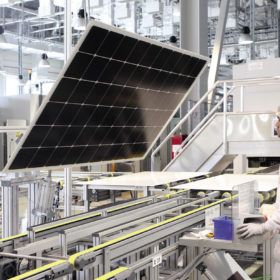
Thinktank says India must prioritize a vertically integrated solar supply chain
To develop cost-competitive solar modules the nation must adopt a phased program and set up 15 GW of silicon-ingot-to-solar-module manufacturing capacity by 2024, according to The Energy and Resources Institute.
