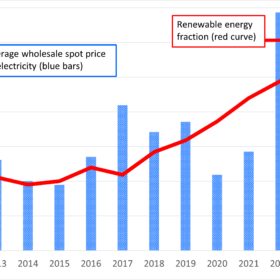
PV and prices – the fast uptake of solar in Australia
Australia currently has about 40% renewable electricity, mostly solar and wind. This is not causing wholesale spot prices to change, nor destabilizing the grid. On current policy settings, the country will reach 82% renewable electricity in 2030.
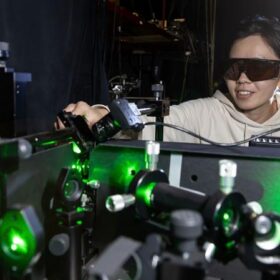
‘Shallow defects’ key to high efficiency of perovskite solar cells, say researchers
Researchers at the Jülich Research Center in Germany have used novel photoluminescence measurements to analyze the recombination of charge carriers in perovskite solar cells. They have found that the loss of charge carriers in perovskite devices works differently from other types of PV cells.
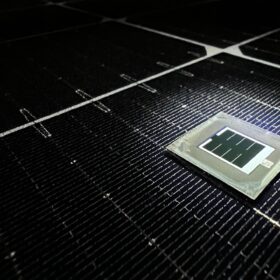
Perovskite-silicon tandem solar modules must ensure degradation rate of 0.4%/year to compete with crystalline silicon
Researchers from Saudi Arabia’s King Abdullah University of Science and Technology (KAUST) investigated the commercial prospects of perovskite-silicon tandem PV technologies and found that, in order to bring them closer to market maturity, their cost should not exceed by 30% that of crystalline silicon counterparts. Their roadmap stresses the importance of reducing perovskite degradation and improving product stability.
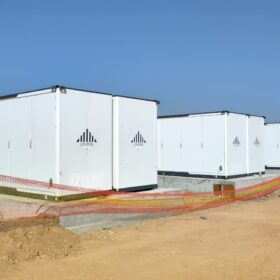
Chinese PV Industry Brief: Stationary storage installations hit 21.5 GW in 2023
The Zhongguancun Energy Storage Industry and Technology Alliance (CNESA) says China installed 21.5 GW/46.6 GWh of stationary storage capacity in 2023.
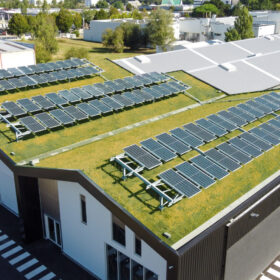
French startup offers new solution for green solar rooftops
Vegetek has developed a “biosolar” roof solution for new and existing buildings. It combines the benefits of greenery and solar panels.
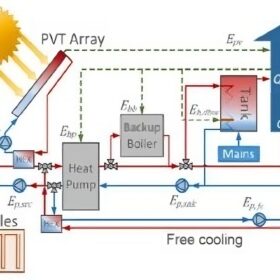
Hybridizing residential ground source heat pumps with PVT, free cooling
Researchers in Sweden sought to raise the efficiency of ground source heat pumps by combining their operation with that of PVT systems and free cooling. Through a series of simulations, they found that this integrated solution may reduce borehole length and land area requirements.
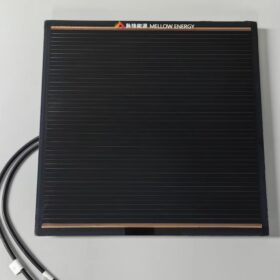
Perovskite solar module based on new interconnection tech achieves 21.37% efficiency
Chinese solar perovskite specialist Mellow Energy and the Jinan University developed a new manufacturing process for perovskite solar modules that enables the formation of a protective layer at the interface between the perovskite absorber and the electron transport layer. This prevents the effusion of volatile components from the perovksite film.

Grew Energy to build 2.8 GW wafer, solar cell factory in India
Grew Energy has signed a $457.37 million deal to set up a 2.8 GW factory in India. The state government of Gujarat will facilitate approvals for the manufacturing unit.
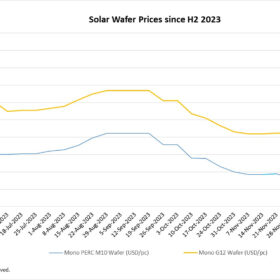
Solar wafer prices stabilize with potential for future price hike
In a new weekly update for pv magazine, OPIS, a Dow Jones company, provides a quick look at the main price trends in the global PV industry.
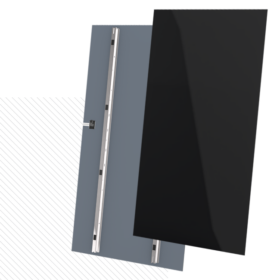
First Solar opens 3.3 GW solar panel factory in India
India’s first fully vertically integrated solar manufacturing plant will produce First Solar’s Series 7 solar PV modules, which were developed at the company’s research centers in the United States. The new facility employs 1,000 people.
