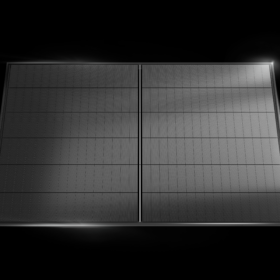
JinkoSolar presents 475 W TOPCon dual-glass solar panel with 23.77% efficiency
The Chinese manufacturer said its new IEC 61215-certified rooftop PV module relies on a 30 mm aluminum frame and dual-glass construction that reportedly help it withstand extreme snow loads and wind pressure.

Abandoned US nuclear site to host 16,000 MT polysilicon plant
Highland Materials will build a 16,000 metric ton (MT) solar-grade polysilicon plant on a former US nuclear project site, under a long-term lease with Pivotal Manufacturing.
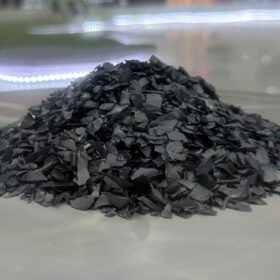
IFC loans $250 million for Oman polysilicon project
The investment package features a $200 million loan for the implementation of the project and a $50 million preferred equity investment. The approval is said to have been opposed by several members of IFC’s board of executive directors.

Is China’s $7 billion plan to reduce polysilicon overcapacity feasible?
OPIS, Wood Mackenzie, and Bernreuter Research have spoken with pv magazine about China’s alleged $7 billion plan to reduce polysilicon oversupply and restore a sustainable pricing environment for the PV supply chain, but opinions remain divided on its feasibility and effectiveness.
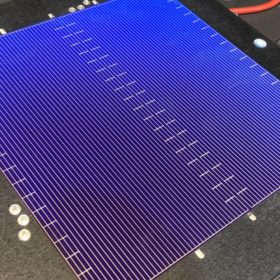
New research warns of unexpected UV-induced degradation in TOPCon solar cells from invisible light
Researchers from UNSW have found that invisible light accelerates UV-induced degradation in TOPCon solar cells, producing the same degradation effects as visible light but at a much faster rate. This can lead to significant open-circuit voltage losses and reduce cell efficiency.
Chinese PV Industry Brief: Government targets energy use at polysilicon plants
China’s Ministry of Industry and Information Technology (MIIT) has launched a 2025 inspection program targeting energy consumption at 41 major polysilicon producers to curb output.

US opens next round of solar import probes targeting India, Indonesia, Laos
The US Department of Commerce has initiated full investigations into anti-dumping and anti-subsidy cases against solar imports from India, Indonesia, and Laos filed in July. These investigations, conducted alongside the US International Trade Commission (ITC), are expected to continue into next spring.
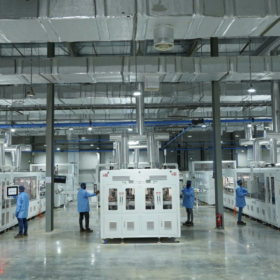
India’s PLI scheme drives 18.5 GW of solar module capacity up to June
India’s Production Linked Incentive Scheme for High Efficiency Solar PV Modules (PLI) has led to 18.5 GW of module capacity, 9.7 GW of solar cell capacity and 2.2 GW of ingot-wafer capacity being established as of June 30 2025. The program has awarded a total of 48 GW of module manufacturing capacity.
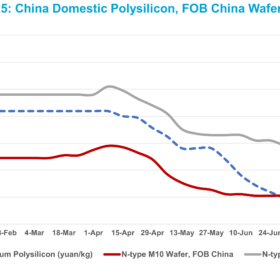
China wafer, polysilicon prices climb 33% since early July
In a new weekly update for pv magazine, OPIS, a Dow Jones company, provides a quick look at the main price trends in the global PV industry.
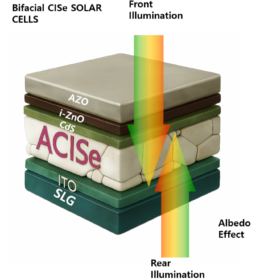
Scientists build bifacial CIS solar cell with record efficiency, power density
Researchers in South Korea have demonstrated a lower temperature process for bifacial copper, indium, selenium (CuInSe₂) solar cells with a rear-side efficiency of 8.44% and 15.30% on the front. The device has been developed for applications in tandem solar cells.
