
EU launches partnerships to strengthen PV, advanced materials, textiles
The European Commission has established three Horizon Europe partnerships to improve technological prowess, industrial strength, and eco-friendly innovation, channeling nearly €1.1 billion ($1.19 billion) by 2030 into photovoltaics, advanced materials, and textiles.

Tecnalia, Vita International developing solar guardrails
Spain’s Tecnalia and Italy-based Vita International have designed a new photovoltaic guardrail, set for testing later this year on a 100-meter stretch of a highway service area between Turin and Trieste, Italy.
Prices rising across China’s PV supply chain, says EnergyTrend
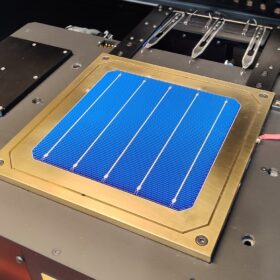
Taiwan-based research firm EnergyTrend says market optimism in China has driven up solar module prices, while production of modules, cells, and wafers has increased month on month.
I, Photovoltaics
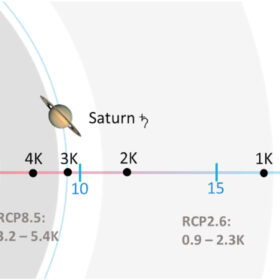
New research from Germany has investigated for the first time the idea of building a photovoltaic Dyson sphere, a theoretical megastructure that could provide vast amounts of energy for interstellar space travel and large-scale technological endeavors. Despite its highly theoretical and science-fiction inspiration, the study explains what consequences a similar construct would have on life on Earth.
Australia’s only silicon manufacturer bags $25 million in federal funding
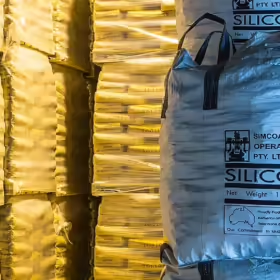
Western Australia silicon manufacturer Simcoa Operations has received an AUD 39.8 million ($25 million) investment from the Australian government to boost the country’s silicon manufacturing capabilities.
Alumina oxide nanoparticles extend perovskite solar cell lifetime
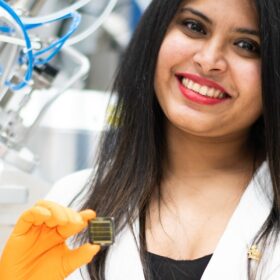
Scientists in the U.K. have used alumina oxide in perovskite solar cells to achieve lifetimes exceeding 1,300 h under standards-based heat and humidity testing. Their analysis showed that a reference cell based on conjugated polyelectrolytes degraded in one-tenth the time.
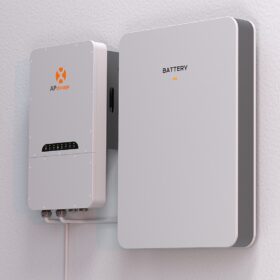
Home batteries vs. power generators
Assessing the difference in cost, functionality and operations of fueled generators versus home batteries.
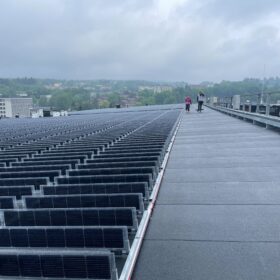
At high latitudes, vertical PV is more profitable in February than horizontal panels in June
A 248 kWp solar system deployed on the roof of Oslo’s Ullevaal Stadium was found to be more profitable in February than a comparative horizontal array in June. The vertical panels’ ability to generate more energy in winter months than horizontal equivalents helped save more money against Norway’s typically high electricity prices in winter.
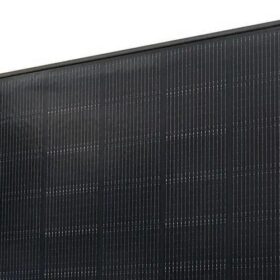
Viridian Solar launches 23.6%-efficient TOPCon BIPV panel
The UK company says the new modules have a rated power output of 445 W and can reportedly guarantee a power yield of 95% after 10 years.

How much time do homeowners spend acquiring a rooftop PV system
Scientists have conducted a survey and analyzed transaction costs of residential PV projects. They focused on the time spent searching for and assessing information, as well as the time spent on aspects related to financing, permits, and contracts. Scoping information was the most time-consuming task.
