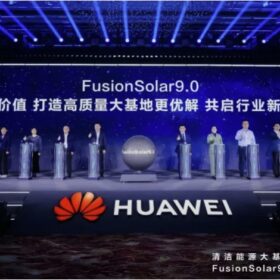
Huawei unveils FusionSolar 9.0 platform with AI, grid-forming tech
Huawei’s FusionSolar 9.0 is a new integrated solar-plus-storage platform featuring smart inverters, AI-driven management, and grid-forming capabilities to turn solar plants into active grid-support assets. It boosts efficiency, reduces costs, and enhances stability in weak grids with high renewable penetration, according to the company.

Enerin offers industrial heat pump delivering heat up to 250 C
The Norwegian industrial heat pump specialist said its HoegTemp system has a heat supply capacity of 0.2 MW to 5 MW and a coefficient of performance above 2 at high lifts.
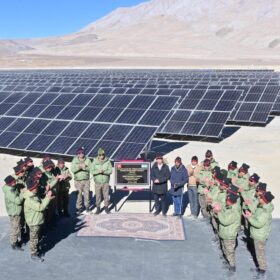
NTPC commissions solar-hydrogen-based microgrid in India
NTPC has developed a standalone solar microgrid system that uses hydrogen as the storage medium to deliver 200 kW of round-the-clock power throughout the year. Designed to replace diesel gensets at off-grid Army locations, the system provides a reliable and sustainable power supply even in harsh winter conditions, where temperatures can drop to –40 C at an altitude of 4,500 meters.
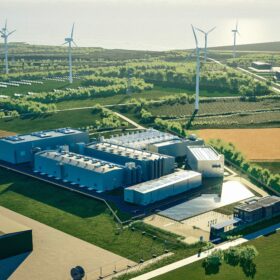
The Hydrogen Stream: EWE begins work on 320 MW hydrogen plant in Germany
EWE says construction has started on its 320 MW hydrogen plant in Germany as it seeks regulatory reforms, while Japan Suiso Energy and Kawasaki Heavy Industries have broken ground on a commercial-scale liquefied hydrogen terminal set to begin operations in 2030.
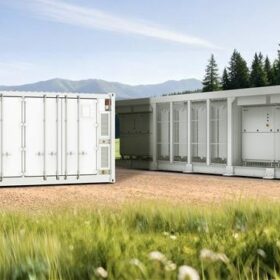
Trina Storage launches AC-coupled battery for utility-scale applications
Offered primarily as a 10 MW unit, the new product is also available in a 5.5 MW version for customers with specific requirements.

China moves to curb irrational competion in battery energy storage industry
The Chinese Ministry said it will take swift action to rein in aggressive low‑price competition that threatens to destabilize businesses and impede sustainable industry growth.
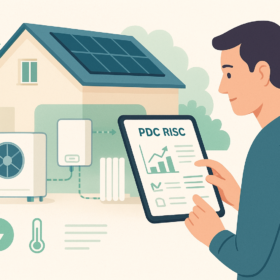
Open-access online tool helps homeowners replace gas boilers with PV-driven heat pumps
Italian research agency Enea has created a web tool that assesses the feasibility of replacing residential gas boilers with heat pumps by providing an estimate of the potential energy and economic savings. The app also provides information on the technical specifications of the photovoltaic system necessary to meet the heat pump’s electricity demand.
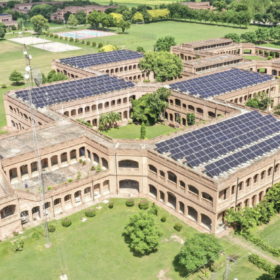
Pakistan needs to declare a ‘battery emergency’
Solar association chair argues urgent battery energy storage deployment is key to supporting continued PV boom in Pakistan. Residential solar CEO predicts surge in behind-the-meter storage demand if and when Pakistan’s generous net metering policy is wound down.
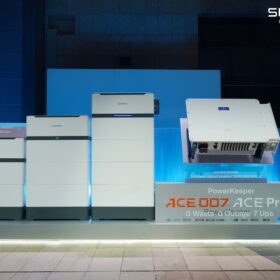
Sungrow unveils new modular C&I battery with long-duration storage capability
The new 12.5 kWh pack-based design supports flexible configuration up to 250 kWh per system. An optional long-duration combiner box supports 2–4 clusters, expandable to 1,000 kWh and 8 hours of storage.

Indian state sets record low battery storage tariff
Rajasthan Rajya Vidyut Utpadan Nigam Ltd. (RRVUNL) has concluded its tender for a 500 MW/2,000 MWh standalone battery energy storage system (BESS) at a price of INR 285,000 ($3,195)/MW per month, the nation’s lowest to date for a four-hour, single-cycle system.
